• Request Info
  • Visit
  • Apply
  • Give
  • Request Info
  • Visit
  • Apply
  • Give

Search

  • A-Z Index
  • Map

Anthropology

  • About
    • Governance
    • Giving
    • Request More Info
    • Forensic Anthropology Center
  • People
    • Faculty
    • Affiliated Faculty
    • Staff
    • Graduate Students
    • Emeritus
    • In Memoriam
  • Areas of Study
    • Anthropological Archaeology
    • Biological Anthropology
    • Cultural Anthropology
    • Disasters, Displacement, & Human Rights
  • Undergraduate
    • Majors & Minors
    • Advising
    • Careers
    • Departmental Scholarships
    • Undergraduate Anthropology Association
    • Course Descriptions
    • Apply
  • Graduate
    • Degree Programs
    • Apply
    • DDHR Graduate Certificate
    • Graduate Handbook
    • Graduate Forms
    • Awards & Grants
    • Graduate Student Association
  • Opportunities
    • Lab Facilities
    • Field Schools
    • DDHR Working Paper Series
  • News & Events
    • Visiting Lecture Series
    • DDHR Webinar Series
    • Newsletters
    • Share Your News
topography background

News

News

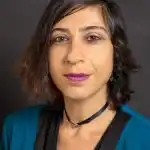
Tamar Shirinian

Student-Faculty Team Examine Mental Health Care
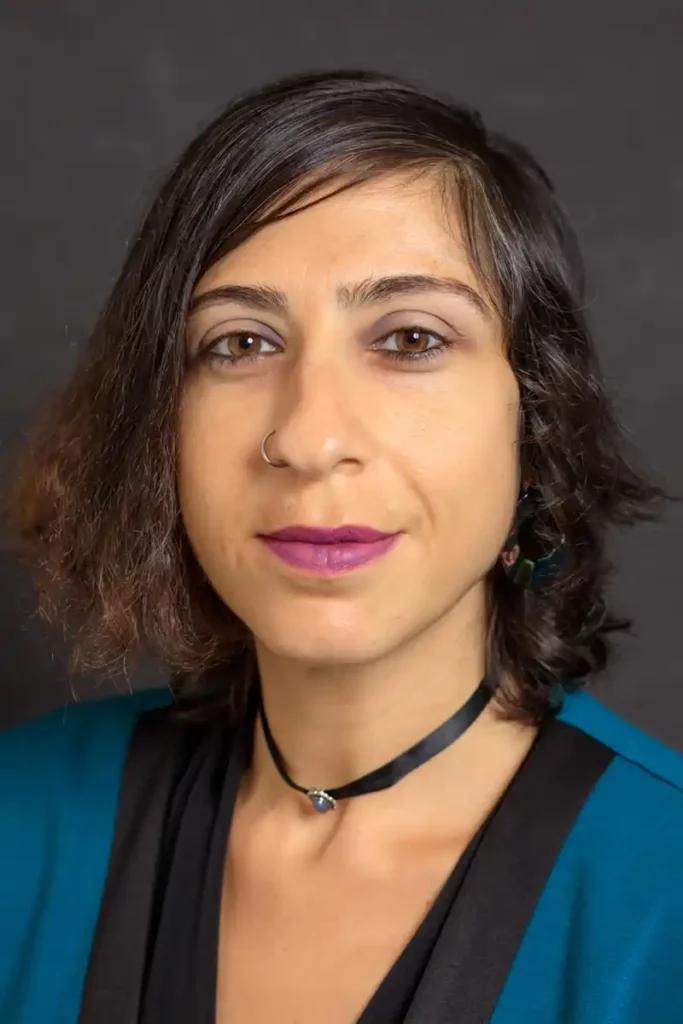
Tamar Shirinian

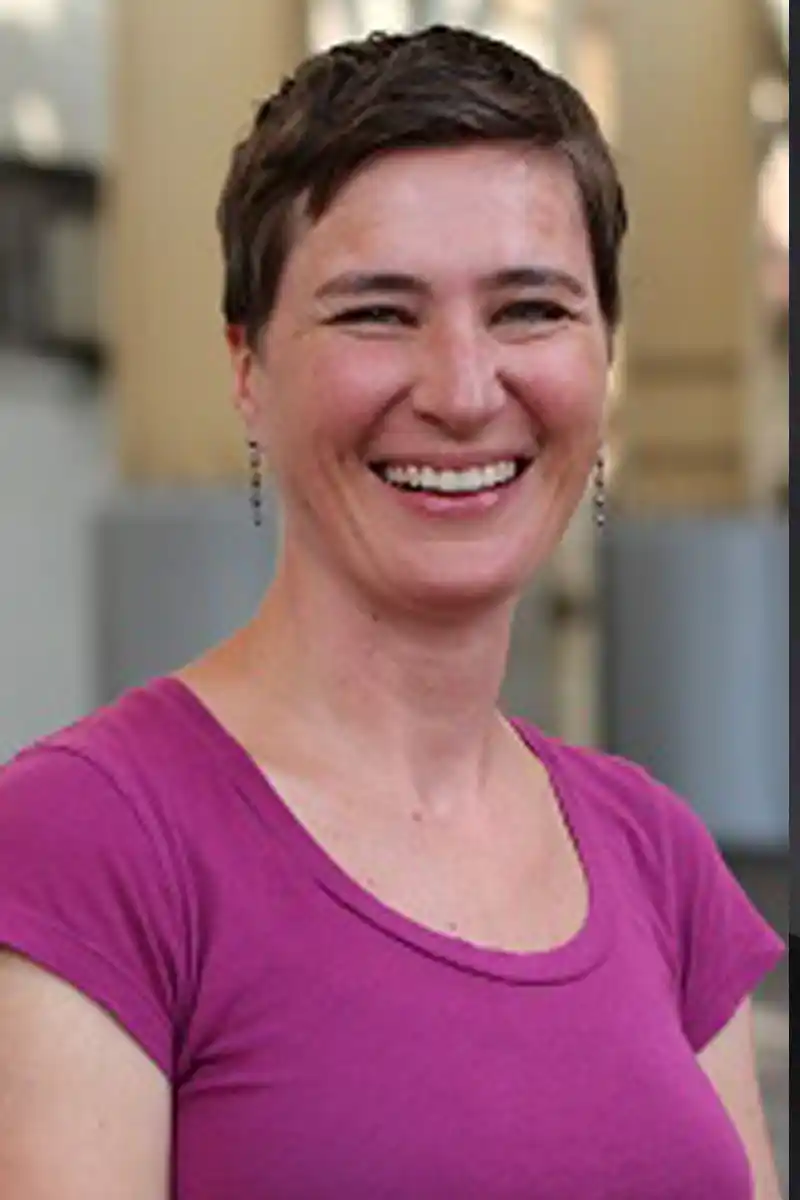
Tamar Shirinian, a postdoctoral teaching associate, and graduate student Julian McDaniel received a Scholarly Activity and Research Incentive Fund grant in 2020 to examine how health insurance companies mediate the care that clients receive for mental health, and thus the critical relationships between mental healthcare providers and those suffering emotionally.

The team interviewed healthcare professionals in Knoxville virtually or by phone, as pandemic restrictions did not allow them to conduct face-to-face meetings. The study contributes to McDaniel’s master’s thesis work on addiction recovery in Knoxville and is part of a broader research program led by Shirinian examining mental health and recovery that she hopes to expand nationally. 

Posted: January 20, 2021Filed Under: News

Steven Lautzenheiser

Modern Human Movement

Steven Lautzenheiser

This fall, we welcomed Steven Lautzenheiser, who received his PhD from the University of Washington in 2019, as a lecturer in biological anthropology. In addition to teaching the introductory course in biological anthropology, Lautzenheiser is also teaching undergraduate and graduate courses on evolutionary biology, primates and primate evolution, and human paleontology.

Lautzenheiser’s research combines anthropological and engineering theories and mathematical modeling in order to understand how modern humans came to move the way that we do. Bipedalism, or walking upright, is a central part of our evolutionary story. The fossil record of the extinct members of the human lineage preserves evidence of alterations in the structure of the foot, suggesting that how our ancestors moved across the landscape changed over time. Understanding these differences requires careful study of the relationship between how the foot interacts with the ground and the size and shape of the bones that enable that interaction. Lautzenheiser measured the ground reaction forces on the feet of volunteers in the laboratory as they walked in a straight line and as they changed direction while walking, and then modeled how these forces contributed to the shape of the talus (ankle bone). He found that not only does changing direction affect the ground reaction force applied to the foot, but that the orientation of the foot affects how these forces pass through it. By increasing our understanding the biomechanics of the foot and ankle of modern humans, his research helps us to understand the fossil record better.


Posted: January 20, 2021Filed Under: Biological News, News

Anneke Janzen

The Human-Animal Relationship

Anneke Janzen

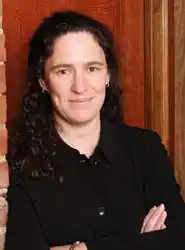
The department welcomed Assistant Professor Anneke Janzen to our faculty in fall 2019. Janzen holds a PhD in anthropology from the University of California, Santa Cruz. She joined us after completing post-doctoral appointments at the Cotsen Institute of Archaeology at the University of California, Los Angeles, and the Max Planck Institute for the Science of Human History in Jena, Germany. She remains a research affiliate of both institutions.

Janzen specializes in zooarchaeology, exploring the relationships between people and animals in the past. A major focus of her work has been discovering how the practice of herding spread across Africa (c. 5000 to 2000 BP), and how early herders in Kenya, Tanzania, and Zambia used the landscape and managed their domestic animals. She also studies the effects of colonialism and the introduction of domesticated herd animals on the diets of indigenous and colonizing people and on the environment of North America. Her findings appear in highly respected journals including Palaeogeography, Palaeoclimatology, Palaeoecology, Journal of Archaeological Science, Proceedings of the National Academy of Sciences of the United States of America, and Quaternary Science Reviews, among others.

Janzen’s expertise in stable isotope analysis and zooarchaeology by mass spectrometry (ZooMS) adds cutting-edge, minimally destructive chemical and biomolecular methods of identification and analysis to the department’s longstanding strengths in zooarchaeological research based on skeletal anatomy. Carbon stable isotope analysis of animal remains provide information about the plants that animals ate while they were alive, while strontium stable isotopes contribute to our understanding of human and animal mobility. ZooMs allows researchers to identify bones, based on peptide-fingerprinting of collagen, that are too fragmentary or too similar for standard methods of skeletal identification.


Posted: January 20, 2021Filed Under: Archaeological News, News

Giovanna Vidoli

FAC News

The Forensic Anthropology Center (FAC) is working on multiple interdisciplinary collaborative projects that focus on locating missing individuals, estimating how long they have been deceased, and interpreting trauma.

Amy Mundorff
Amy Mundorff

One team is working in forests, terrain that typically hinders recoveries of human remains due to the density of ground cover that hides visual clues to their locations. By identifying the ways in which human decomposition affects plants growing in close proximity, and how these effects might be detected through changes in plant growth, spectral characteristics of their leaves, and other biochemical changes, the research teams seeks to turn trees from foes to allies. The project is equipping drones to fly over forested areas with arrays of sensors that detect subtle, localized changes within forest canopies that can be used to detect the presence of human remains. The results will be of immense value in using plants to aid in forensic recovery. The team is led by anthropology faculty members Amy Mundorff and Dawnie Steadman, Neal Stewart of the University of Tennessee Institute of Agriculture Department of Plant Sciences, and includes other faculty and staff within these departments and with the Department of Biosystems Engineering and Soil Science and the Department of Food Science. It is funded by the Department of Defense and USDA Hatch grants.

Two projects funded by the National Institute of Justice tackle some of the most difficult problems in forensic anthropology – estimating how long individuals have been deceased (postmortem interval) and interpreting trauma after burning.

Dawnie Steadman
Dawnie Steadman

The first project examines how medications in the body impact decomposition rates by studying the drug effects on insects and microbes that feed on the body. Current methods of postmortem interval estimation will need to be modified if it is found that drugs increase or decrease insect development rates. This team is led by Dawnie Steadman, Shawn Campagna from the chemistry department, and Jennifer DeBruyn from the Department of Biosystems Engineering and Soil Science.

The second project is developing a protocol by which blunt force injuries sustained at the time of death can be discriminated from fractures produced by burning. Fire is often used to cover up a crime and the damage to the body can be extensive. This study, led by Giovanna Vidoli and Joanne Devlin, with assistance from colleagues in the Tickle College of Engineering, uses radiography and microscopic techniques to help characterize fractures that are due to blunt force trauma and those created by burning.

Another project, funded through a graduate student-faculty research award, seeks to more accurately predict the probable location of drowning victims and others whose remains are moved by the flow of water. Working with faculty mentor Dawnie Steadman and Nicole McFarlane from the engineering college, Karli Palmer will create “smart” manikins that can be placed in natural bodies of water and tracked for hours or days while collecting quantifiable, replicable data on their movement. Knox County Rescue is also assisting with the field testing. This project will indicate which variables impact the movement of human remains in water and will allow for more accurate predictive models for recovery. In addition, the manikin may serve as a prototype that could be used by future investigators seeking to find missing persons. The ability to narrow down the search area would increase investigators’ chances of success in locating the remains and reduce the labor and resources required.

Giovanna Vidoli
Giovanna Vidoli

While training was certainly impacted by COVID-19 this year, the FAC created a new partnership with the Mexican government to train their investigators tasked to locate and recover human remains from mass graves throughout Mexico, many of whom are civilians killed by drug cartels. In addition, Giovanna Vidoli was invited by the International Committee of the Red Cross to go to Mexico to assist with in-country training. Further, Joanne Devlin and Giovanna Vidoli were invited to attend the first half of the FBI Emergency Response Training. 


Posted: January 20, 2021Filed Under: News

Barbara Heath

Working Together

Barbara Heath

Message from the Department Head

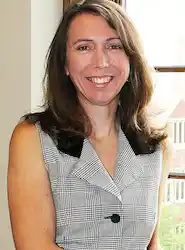
I began my new position as department head in August, having served on the faculty since 2006. I am grateful for all of the support and encouragement that my colleagues have shared during what has been a challenging year for faculty, staff, and students at UT and across the country.

With the outbreak of COVID-19 in March, UT moved all courses online in the space of a week, implemented travel restrictions, curtailed access to campus labs, the libraries, and other on-campus spaces, cancelled graduation ceremonies, off-campus summer programs and in-person interviews, and began to create the infrastructure for combatting the spread of the disease within our community. These changes, although necessary and prudent, have had a profound effect on research, teaching, and learning. By fall, the department had been transformed both physically and psychically. Staff, with the help of an ad-hoc group of faculty, moved furniture in classrooms and hallways into temporary storage to accommodate social distancing requirements, posted signage, and purchased and distributed PPE; instructors pioneered new classroom technologies that allow us to teach more effectively in this new pandemic world; and we collectively reached out to undergraduate and graduate students to find out how they were coping and what they needed to succeed.

Despite being physically distant, in some ways this year the department has become a more cooperative and caring place, facing head-on not only the coronavirus pandemic, but the need for each of us to work together to address the social pandemic of racism and to strengthen the department as an equitable learning community based on respect. The recent losses of our colleagues Rebecca Klenk, a cultural anthropologist, and Randy Pearce, a dentist and forensic odontologist, have also brought many of us together to mourn their passing.

Even in the midst of these extraordinary challenges, we continue our mission of research, teaching, and service. The department is undergoing a period of rapid growth. The addition of undergraduate concentrations in forensics and disasters, displacement, and human rights (DDHR), coupled with broader societal factors that underscore the relevance of anthropological knowledge in today’s world, have resulted in an impressive 47.5% increase in majors over the last two years. Growing numbers of students are also taking advantage of the DDHR graduate certificate.

Members of the department continue to shine as award-winning educators and nationally and internationally-recognized student achievers, leaders within the profession, and recipients of prestigious research grants. I have summarized many of our accomplishments below, and others appear in greater detail in the online version of the newsletter, but I would like to take this opportunity to highlight just a few.

  • Professor Dawnie Steadman was named a Chancellor’s Professor, the highest lifetime honor that can be accorded to a member of the faculty, which recognizes extraordinary scholarly accomplishment as well as a record of excellence in teaching and service to the university. She also received the Dr. William M. Bass Professorship in the Department of Anthropology and the Forensic Anthropology Center, established through a generous donation by Joseph M. and Rebecca H. Haskins. The award is based on excellence in research and teaching in the field of forensic anthropology.
  • Associate Professor Ben Auerbach’s co-edited volume, The Evolutionary Biology of the Human Pelvis: An Integrative Approach, was published by Cambridge University Press.
  • Professor Alex Bentley, Associate Professors Garriy Shteynberg (psychology), and Jonathan Garthoff (philosophy), received the College of Arts and Sciences Award for Interdisciplinary Collaborative Scholarship and Research in 2019 for their work on collective learning and its impact on collective identities, social norms, and strategic cooperation.
  • Hera Jay Brown (’18) was named a 2020 Rhodes Scholar.
  • Clare Remy was one of five UT undergraduate students to receive a prestigious Goldwater Scholarship.

Looking ahead, 2022 will mark the department’s 75th anniversary and the 50th anniversary of granting graduate degrees. Soon we will begin planning ways to celebrate these important milestones. If you have stories that you would like to share of your time at UT, I would love to hear from you. I look forward to welcoming you back to campus post-pandemic. Until then, please stay safe and well.

Barbara Heath
Professor and Head
Department of Anthropology


Posted: January 20, 2021Filed Under: News, Uncategorized

Tatianna Griffin

Rising to Meet the Challenges

Tatianna Griffin
Tatianna Griffin
Derek Boyd
Derek Boyd

Acts of racial violence and the global COVID-19 pandemic shook the nation in 2020. In addition to these societal and healthcare crises, the economic fallout of the pandemic has increased precarity among graduate students nationally. Members of the Anthropology Graduate Student Association (AGSA) rose to meet these challenges and strengthen the UT anthropology department.
In late spring, AGSA Diversity Representatives Tatianna Griffin and Derek Boyd spearheaded efforts to craft an antiracism statement that asserts the department’s commitment to building a “welcoming, inclusive, supportive, and equitable space for BIPOC (Black, Indigenous, and People of Color) communities.” The statement, approved by a vote of the faculty, appears in full on our website. Griffin and Boyd also became founding members of the department’s new Diversity and Inclusion Council. In one of the council’s first actions, they created and distributed a departmental climate survey to all graduate students and advocated for workshops for faculty and students that will promote learning and conversation about practices and behaviors that can result in unequal treatment based on race, ability, or gender. These conversations, which began in December, will lead to new understandings and foster a more inclusive and equitable environment.

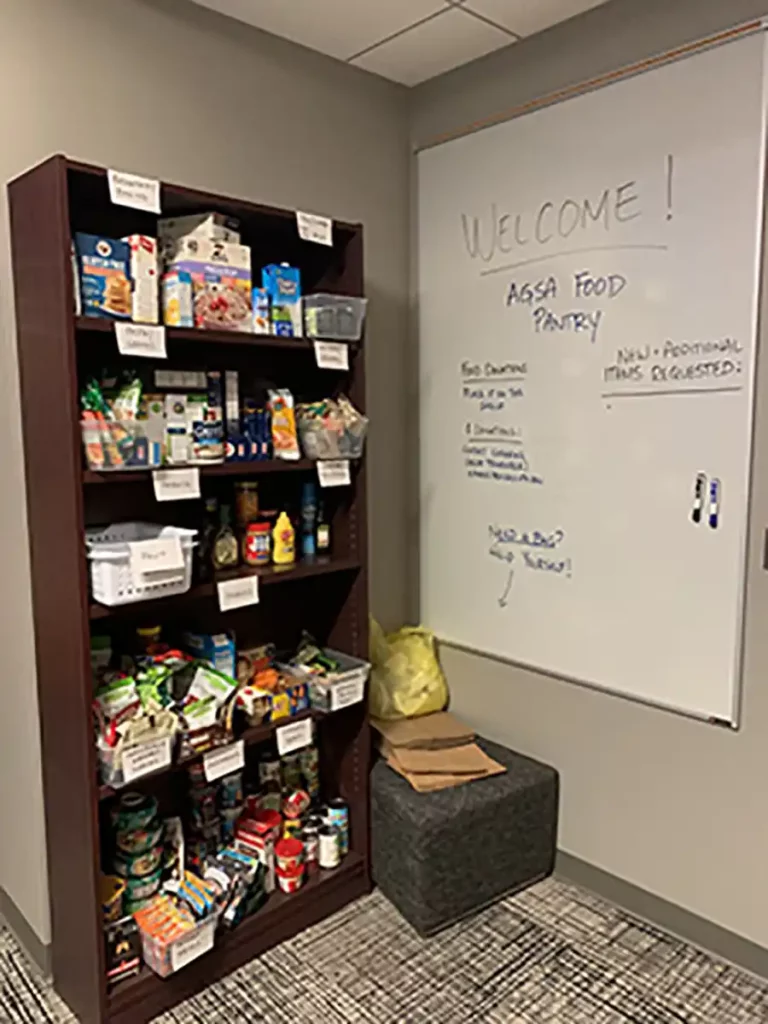
Image of the AGSA food pantry: A bookcase with food items free for anyone who needs them.

Under the leadership of the officers and board of AGSA, students are actively seeking solutions to the financial hardships of graduate student life, which have been made worse by the pandemic. In addition to working with campus governance structures and the union in advocating for increases in wages and benefits, AGSA members have taken the lead in supporting students’ basic needs. Starting in fall 2020, they partnered with the Undergraduate Anthropology Association (UAA) to set up a food pantry in a common room on the fourth floor of Strong Hall. Stocked by regular contributions from each group and from the faculty and staff, the pantry is open to all students in need.

“During one of our monthly AGSA meetings, we began talking about how we had raised enough in dues to begin lessening the financial burden that many students face in some small way,” said Rebecca Webster, AGSA president. “We decided a food pantry would be the best way to support all students with the funds we have. AGSA and UAA both donate $25 a month to stock the pantry.”

In addition to creating the food pantry, about 25 grad students participated in a “happiness exchange” last fall, organized by AGSA Social Chair Kelley Cross. COVID made it hard to have social events in person, so AGSA matched participants with a partner with whom they meet for Zoom conversations and exchange small gifts. Through this project, students are combatting isolation and building stronger connections.

Download PDF


Posted: January 20, 2021Filed Under: News

Amy Z. Mundorff

Faculty News and Updates

David Anderson
Anderson
Alex Bentley
Bentley
Graciela Cabana
Cabana
Joanne Devlin
Devlin
Barbara Heath
Heath

Professor David Anderson was recently appointed to the National Park System Advisory Board National Historic Landmarks Committee. The committee consists of nationally recognized scholars and experts in history, archeology, architectural history, preservation, and cultural resource management. Anderson will serve on the committee from 2020 to 2024.

In collaboration with Professor Nina Fefferman of the Departments of Ecology and Evolutionary Biology and Mathematics, Professor Alex Bentley also received a RAPID grant from the National Science Foundation titled “Modeling coupled social and epidemiological networks that determine the success of behavioral interventions on limiting COVID-19 spread.” The grant will allow them to develop practical tools (models) that predict the interaction between collective behavior and the dynamics of disease spread across time and space. Understanding what drives collective behavior, which may require different incentives and nudges to help prevent disease transmission, will allow for more effective public health messaging.

Associate Professor Graciela Cabana was part of a research team whose work on the relationship between migration and marine adaptations in South Patagonia appeared in Nature Communications in the summer of 2020.

Distinguished Lecturer Joanne Devlin was a 2019 recipient of the College of Arts and Sciences Advising Award for her outstanding work in undergraduate advising.

Professor Barbara Heath began a two-year term as president of the Society for Historical Archaeology, the largest, international scholarly society for the archaeological study of the modern world, in January 2020.

Kandace Hollenbach
Hollenbach
Ellen Lofaro
Lofaro
Megan Kleeschulte
Kleeschulte
De Ann Pendry
Pendry
Jan Simek
Simek

Assistant Professor Kandace Hollenbach began a two-year term as president of the Tennessee Council for Professional Archaeology in 2020 and was recently elected as president-elect to the Southeastern Archaeological Conference (2020-2022).

Professors Heath and Hollenbach have been awarded a multi-year grant to examine the relationships between people and plants in the diet and practices relating to food (foodways), economy, and ecology of the colonial Chesapeake region from 1630 to 1730. The project is the first comparative study of its kind, and includes samples from 17 archaeological sites in Virginia and Maryland.

Ellen Lofaro has been promoted to be the director of repatriation at UT. Lofaro’s new position is in the Office of the Provost, but she still allocates a portion of her position to curation and collections for the department.

Lofaro, doctoral student Megan Kleeschulte, and Bruce Anderson received a National Institute of Justice grant titled “Implementing NAGPRA: Connecting Medical Examiner and Coroner Offices to Tribal Partners,” in 2019. The work funded by the grant will comprise a large part of Megan’s doctoral research.

Distinguished Lecturer De Ann Pendry received the Vera E. Campbell Advanced Seminar Series grant from The School for Advanced Research (SAR) in Santa Fe, New Mexico, with Irma Velásquez Nimatuj, a Maya K’iche’ anthropologist, journalist, and activist from Guatemala, who is a visiting professor at Stanford University. They will host a seminar titled Indigenous Women’s Proposals to Address the Root Causes of Migration. Together with other seminar participants, they will discuss practical strategies for improving the economic prosperity, health, and well-being of indigenous women and their families in Guatemala with the goals of reducing poverty and emigration from indigenous communities and providing opportunities to develop local capacities and creativity. Originally scheduled for June 2020, the seminar was delayed because of COVID-19 travel restrictions.
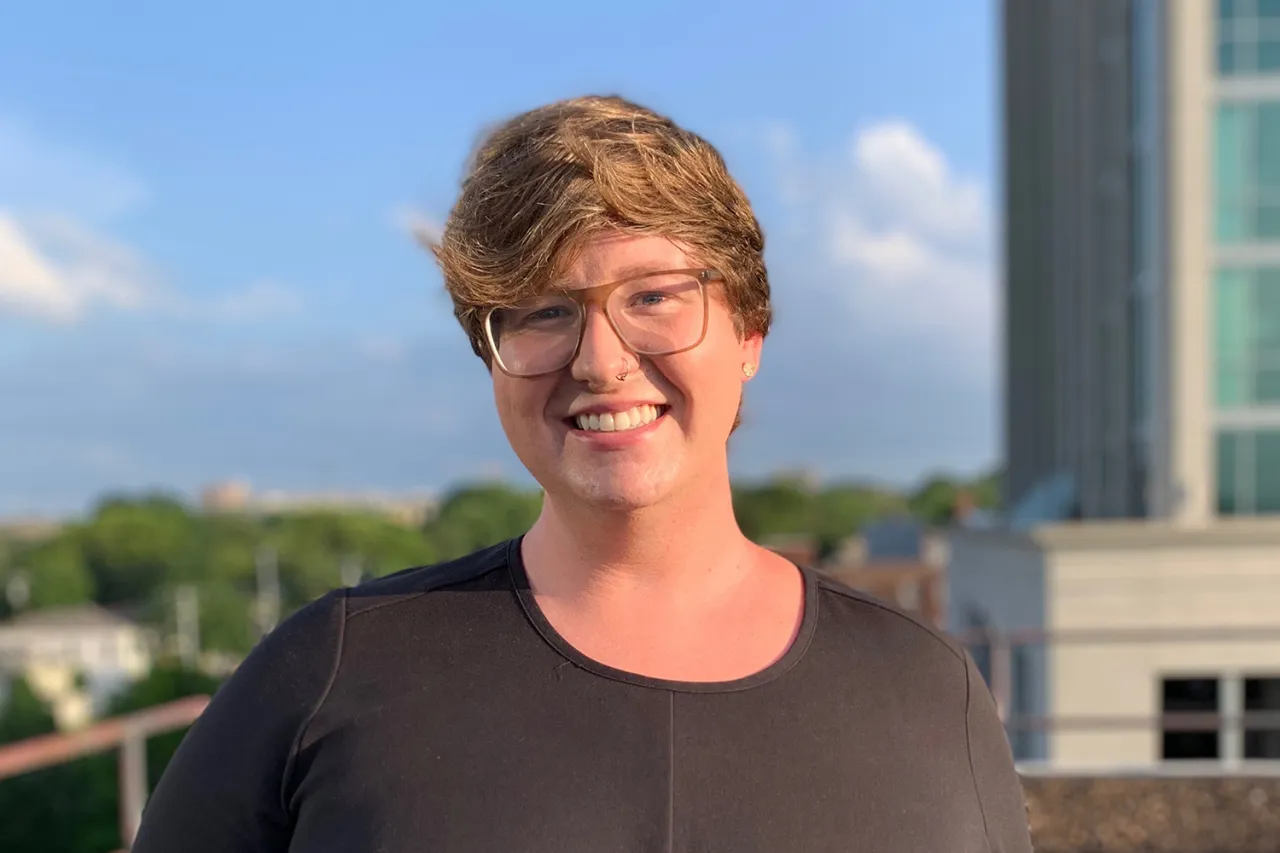
Professor Jan Simek, doctoral student Beau Carroll, and colleagues received the Patty Jo Watson Award from the Southeastern Archaeological Conference. Their article “Talking Stones: Cherokee Syllabary in Manitou Cave, Alabama,” published in Antiquity, won the award for 2020, given for the best article or chapter on Southeastern archaeology each year. Simek, colleague Stephen Alvarez of the Ancient Art Archive, and the Chickasaw Nation of Oklahoma were awarded the 2020 Native American Speaker’s Commendation, given to a specific tribal consultation meeting by the SEAC Native American Council. The award recognizes Simek and Alvarez’s visit to the Chickasaw Nation to report on their documentation of Foxtrap Rockshelter in Alabama under two contracts with the Tribe.

Beau Carroll
Carroll
Tamar Shirinian
Shirinian
Dawnie Steadman
Kleeschulte
Amy Mundorff
Pendry
Giovanna Vidoli
Simek

Post-doctoral Fellow Tamar Shirinian was featured as an author interviewee in the journal PoLAR (Political and Legal Anthropology Review) for her article “Fakeness: Digital Inauthenticity and Emergent Political Tactics in Armenia.”

The American Academy of Forensic Sciences elected Professor Dawnie Steadman as chair of the Humanitarian and Human Rights Center (HHRRC) in February 2020.The West Virginia University Biometrics Center of Excellence awarded her a grant for “Longitudinal Study of the Postmortem Variability of Biometric Indicators III.”

Steadman and Associate Professor Amy Mundorff also received a grant from the Defense Advanced Research Projects Agency for “SPOT: Signatures in Plants Over Targets” in collaboration with C. Neal Stewart, Scott Lenaghan, and Jennifer DeBruyn (see FAC News).

Steadman and Research Associate Professor Giovanna Vidoli received a grant from the International Committee of the Red Cross for “Efficacy and Durability of the Better Body Bag: Outdoor Longitudinal Testing at the Anthropological Research Facility.”

Research Associate Professor Giovanna Vidoli and Distinguished Lecturer Joanne Devlin received a grant from the National Institute for Justice for “Identification of Blunt Force Traumatic Fractures in Burned Bone” (see FAC News).

Jan Simek received an award from the Noyes Family Foundation in support of Cave Archaeology research.

Simek was elected Chief Scientist by the Southeast Cave Conservancy, Inc. This is a two-year unpaid position. The SCCI is the world’s largest land conservancy devoted to protecting caves and undertaking research into cave environments.

Recent Faculty Books

  • Simek, J.F., E.E. Pritchard, J. Loubser, S.M. Bow. 2021. The Cosmos Revealed: Precontact Mississippian Rock Art at Painted Bluff, Alabama. Tuscaloosa, AL: University of Alabama Press.
  • Stone Linda, Barbara J. Heath, and Patricia Samford, 2020. Artifacts that Enlighten, The Ordinary and the Unexpected. The Society for Historical Archaeology.
  • Wall-Scheffler, Cara. M., Helen K. Kurki, and Benjamin M. Auerbach, 2020. The Evolutionary Biology of the Human Pelvis: An Integrative Approach. Cambridge: Cambridge University Press.
  • Carol Diaz-Granados, Jan F. Simek, George Sabo, and Mark J. Wagner, 2018. Transforming the Landscape Rock Art and the Mississippian Cosmos. Oxford, UK: Oxbow Press.


Posted: January 20, 2021Filed Under: News

Kamar Afra

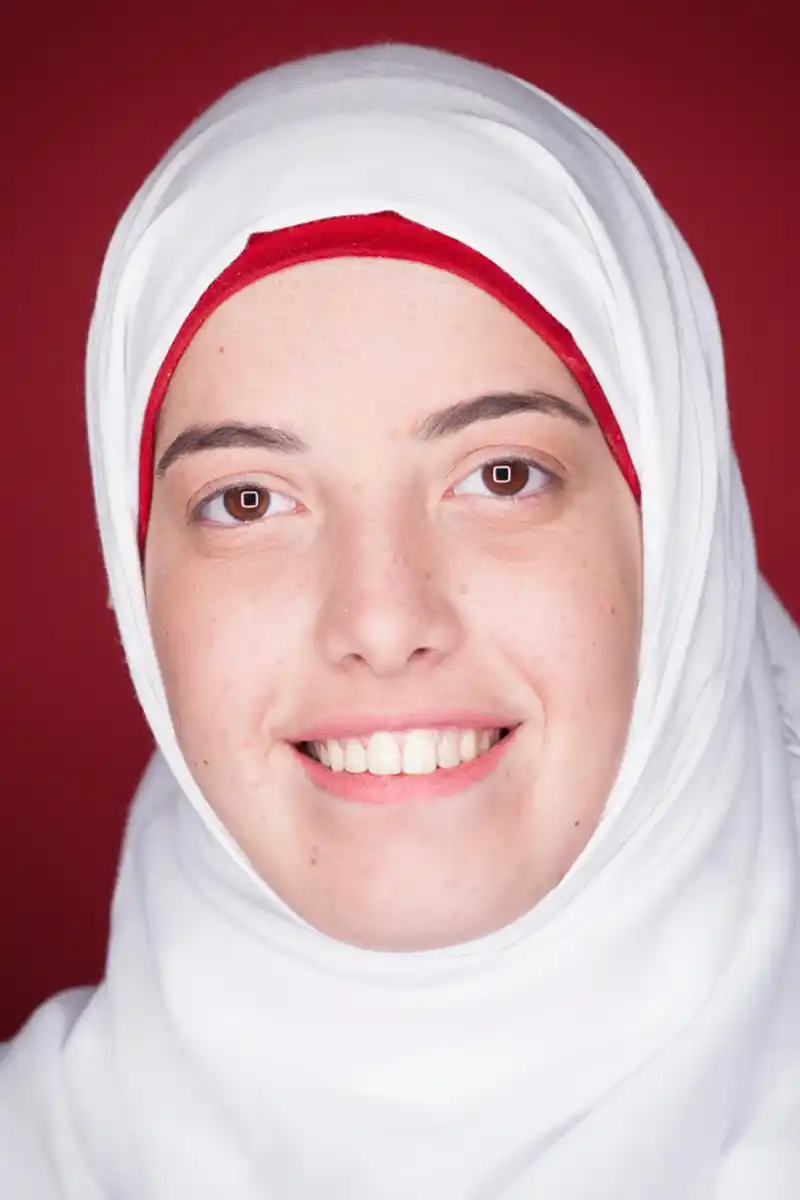
Student Awards and Accolades

Kamar Afra
Afra
Armando Anzellini
Anzellini
Hera Jay Brown
Brown
Alex Emmons
Emmons
Angela Mallard
Mallard
Clare Remy
Remy
Rebecca Webster
Webster

Doctoral student Kamar Afra received a Forensic Sciences Foundation Emerging Forensic Scientist Award from the American Academy of Forensic Sciences in 2020 for her paper “Craniometrics vs. Single Nucleotide Polymorphism (SNP)s: Is There a Correlation?”

Doctoral student Armando Anzellini is one of six grantees to receive the Forensic Sciences Foundation (FSF) Lucas Grant for 2020-2021. Anzellini, working with his advisor Professor Dawnie Steadman, will conduct research titled: “Exploring intra-skeletal variation in stable isotope analysis through non-destructive approaches: Applications of the patterns of skeletal remodeling to forensic contexts.”

Hera Jay Brown, a 2018 UT graduate and anthropology major, has been named a 2020 Rhodes Scholar. A native of Corryton, Tennessee, she began study at the University of Oxford in England this fall. She plans to complete graduate work in migration studies there before pursuing a law degree in the United States. Brown is the first transgender woman to be elected to a Rhodes Scholarship, and the ninth current or former UT student to earn this prestigious honor.

Alexandra Emmons, a 2019 graduate of UT, received an Early Career Grant from the National Geographic Society for Reconstructing the Past: Using Paleo-Soils to Understand Paleoecological Changes from the Middle to Upper Paleolithic in 2019 along with Associate Professor Graciela Cabana.

Doctoral student Angela Mallard, supervised by Associate Professor Ben Auerbach, received a National Science Foundation Doctoral Dissertation Research Improvement Grant for her project “Assessing Multiple Lines of Evidence for Gene Flow in Archaeological Contexts.”

Clare Remy, a junior from Tucson, Arizona, majoring in anthropology with a minor in biology, was one of five recipients of at UT of a Goldwater Scholarship in 2020. The scholarships are awarded to outstanding college sophomores and juniors who are pursuing advanced study in mathematics, the natural sciences, or engineering. Remy’s research focuses on cystic fibrosis manifestations on the human skeleton informs her senior thesis on the Koch historical cemetery in Saint Louis, Missouri. Professors Amy Mundorff and Ben Auerbach are working with her on this project.

Doctoral student Rebecca Webster and Professor Barbara Heath received a 2020 grant from the Virginia Department of Historic Resources, Threatened Sites Fund. The grant funds archaeological work along the banks of Boathouse Pond on Virginia’s Northern Neck, an area threatened by significant erosion associated with geological subsidence and sea level rise. Webster was also the recipient of the Society for Bead Researchers’ Student Conference Travel Award in 2020. Her paper, “Peake, Wampum, or Sewant?: An Analysis of Shell Bead Terminology in the Seventeenth Century Chesapeake,” was the runner-up in the Jamie Chad Brandon Student Paper Competition at the annual meeting of the Society for Historical and Underwater Archaeology in Boston. She also was awarded the Gloria S. King Fellowship in 2019 to study indigenous pottery and pipes at the Maryland Archaeological Conservation Laboratory.


Posted: January 20, 2021Filed Under: News

Tamar Shirinian

Welcome New Post Docs

Tamar Shirinian

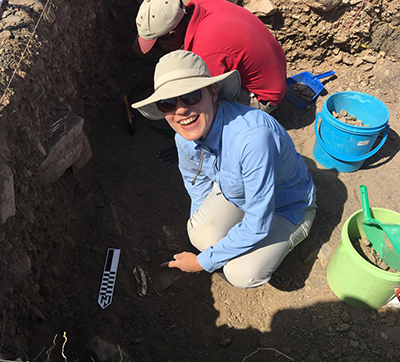
Tamar Shirinian received her PhD from Duke University in 2016 and completed a postdoctoral appointment at Milsaps College before coming to UT. Shirinian’s research focuses on social movements and revolutions, environmental anthropology, feminist and queer anthropology, transnationalism, and psychological anthropology. Her current work examines diversity, inclusion, exclusion, and difference within the context of disasters and conflict, with a more recent focus on institutional logics. She looks at how ethnic, racial, and sexual differences affect access to mental health care and how the health care system is structured. Shirinian is working with Research Librarian Donna Braquet and others to collect, preserve, and share oral histories of LGBTQ+ people who live, or have lived, in East Tennessee.

Roger Begrich

Roger Begrich holds a PhD in anthropology from Johns Hopkins University. Much of his ethnographic work has been conducted in India. He engages global concerns relating to medical and political anthropology, critical legal studies, and Indigenous/Native Studies. Begrich’s work combines an ethnographic analysis of the relations between indigeneity and sovereignty with a comparative discussion of substance use among marginalized populations. His work in India examines the effects of global racial capitalism and (internal) settler colonialism on tribal displacement. Begrich also researches global aging and the use of multiple medications among individuals in aging populations. He has begun research in India on how bodies and selves, as well as social relations, are increasingly mediated by pharmaceuticals and neoliberal forms of elderly care.

Simon Carrignon

Simon Carrignon joined the department as a postdoctoral research fellow in 2019. He received his PhD in 2019 from the Universitat Pompeu Fabra in Barcelona, Spain. He specializes in building computer models that help us to understand how social interactions between individuals and groups can impact global changes. Carrignon has worked with archaeologists, historians, biologists, psychologists, and ecologists. He is currently working with Alex Bentley, professor of anthropology, on social interactions at the age of online social media. He is also working with Bentley and Nina Fefferman, professor in the Department of Ecology and Evolutionary Biology, on understanding how the spread of socially acquired behaviors can impact the spread of COVID-19. This work can also be used to explore the impact of viruses and other disease-causing agents on the evolution of ancient human societies at larger scales. While at UT, he has also been working outside of the department with epidemiologists and researchers in information science.

Charity Owings

The Forensic Anthropology Center welcomed our new Haslam postdoctoral fellow, Charity Owings, who is a forensic entomologist. She earned a PhD in biology from Indiana University-Purdue University Indianapolis. Owings is currently characterizing the insect biodiversity at the Anthropology Research Facility, and her overall research aims to refine time since death estimations using various arthropods. She grew up reading Professor Bass’s books and always dreamed of working at the body farm one day. Now that dream has come true, she could not be happier and more at home in the anthropology department.


Posted: January 20, 2021Filed Under: News

Hera Jay Brown

DDHR Graduate Hera Jay Brown Is Named Rhodes Scholar

Hera Jay Brown

The faculty of the Disasters, Displacement and Human Rights Program (DDHR) would like to honor and celebrate our remarkable student, Hera Jay Brown, who was named a 2020 Rhodes Scholar on November 23, 2019. She is the first transgender woman to be named a Rhodes Scholar and the ninth graduate in the history of the University of Tennessee to win this prestigious honor to study at Oxford University.

Hera was drawn to the DDHR program in Anthropology to focus her interdisciplinary major in sociocultural anthropology and forced migration studies, where she was carefully mentored by DDHR director Dr. Tricia Hepner and further guided by Dr. Rebecca Klenk and Dr. Raja Swamy. At Oxford, Hera Jay plans to work at the intersections of sociocultural anthropology, forced migration, law and public policy, and the critical study of humanitarianism.  

Hera Jay’s scholarly interest in refugees, and her commitments to social justice and human rights, motivated her work at home and abroad. At UT, she served on the executive board of a campus sexual empowerment and awareness group (SEAT) and as the LGBTQ+ Policy Intern at the Biden Foundation in Washington DC. During two years of study abroad in Amman, Jordan, she carried out original fieldwork in the King Hussein bin Talal Development Area, a special work zone established for refugees from Syria. In Berlin, Germany, she was a volunteer translator and cultural advisor for a community organization serving Syrian refugees and asylum seekers, and became an intern with the Middle East Collective (founded and directed by UT alumna Whitney Buchanan). Following graduation she took a fellowship at American University in Cairo as a Presidential Associate, and then returned to the US to work in Nashville, Tennessee as a refugee youth coordinator. She is currently a Fulbright-Schuman Research Fellow in the European Union, where she is studying the EU’s “golden passport” and citizenship-by-investment schemes within the broader context of EU refugee and migration policy. Her project includes research sites in Malta, Belgium, Bulgaria, Cyprus and Lithuania. 

With respect to her training at UT, Hera writes, “As an undergraduate, finding the right mixture of support and opportunity in a program is vital; I could not have made a better choice than the DDHR program. It led to my fieldwork experiences with refugee communities in Berlin, Amman, and Cairo. Now, as a Fulbright-Schuman researcher in the EU, I find myself continuing to draw from these deep, instilled wells of knowledge, support, and experience provided by the DDHR program and its faculty.”

Read more about Hera Jay here:

The Guardian: https://www.theguardian.com/education/2019/nov/24/first-transgender-rhodes-scholar-2020-class

 New York Times: https://www.nytimes.com/aponline/2019/11/24/us/ap-us-rhodes-scholars.html

 NBC News: https://www.nbcnews.com/feature/nbc-out/trans-woman-first-rhodes-scholar-program-s-117-year-history-n1090866

 UTK Campus News: https://news.utk.edu/2019/11/25/hera-jay-brown-is-uts-ninth-rhodes-scholar/  


Posted: December 3, 2019Filed Under: DDHR-News, News

  • « Previous Page
  • 1
  • …
  • 4
  • 5
  • 6

Recent Posts

  • Steven Lautzenheiser in ‘The Conversation:’ Why can’t I wiggle my toes one at a time, like my fingers?
  • Student-Faculty Collaboration Refreshes McClung Exhibit
  • UT Scholar Part of Rare Etruscan Tomb Discovery
  • Good Research Neighbors: Measuring Innovation in Urban Areas
  • Scholar Spotlight: Ehsan Lor Afshar

Recent Comments

No comments to show.

Exploring the human experience.

Careers

Newsletter

Giving

Anthropology

College of Arts and Sciences

502 Strong Hall
1621 Cumberland Avenue
Knoxville, TN 37996-1525
+1 (865) 974-4408
anthropology@utk.edu


Facebook Icon    X Icon    Instagram Icon    YouTube Icon

The University of Tennessee, Knoxville
Knoxville, Tennessee 37996
865-974-1000

The flagship campus of the University of Tennessee System and partner in the Tennessee Transfer Pathway.

ADA Privacy Safety Title IX