• Request Info
  • Visit
  • Apply
  • Give
  • Request Info
  • Visit
  • Apply
  • Give

Search

  • A-Z Index
  • Map

Anthropology

  • About
    • Governance
    • Giving
    • Request More Info
    • Forensic Anthropology Center
  • People
    • Faculty
    • Affiliated Faculty
    • Staff
    • Graduate Students
    • Emeritus
    • In Memoriam
  • Areas of Study
    • Anthropological Archaeology
    • Biological Anthropology
    • Cultural Anthropology
    • Disasters, Displacement, & Human Rights
  • Undergraduate
    • Majors & Minors
    • Advising
    • Careers
    • Departmental Scholarships
    • Undergraduate Anthropology Association
    • Course Descriptions
    • Apply
  • Graduate
    • Degree Programs
    • Apply
    • DDHR Graduate Certificate
    • Graduate Handbook
    • Graduate Forms
    • Awards & Grants
    • Graduate Student Association
  • Opportunities
    • Lab Facilities
    • Field Schools
    • DDHR Working Paper Series
  • News & Events
    • Visiting Lecture Series
    • DDHR Webinar Series
    • Newsletters
    • Share Your News
topography background

News

Author: anthroweb
Alex Bentley

Bentley Part of Team Studying Russian Disinformation Campaigns
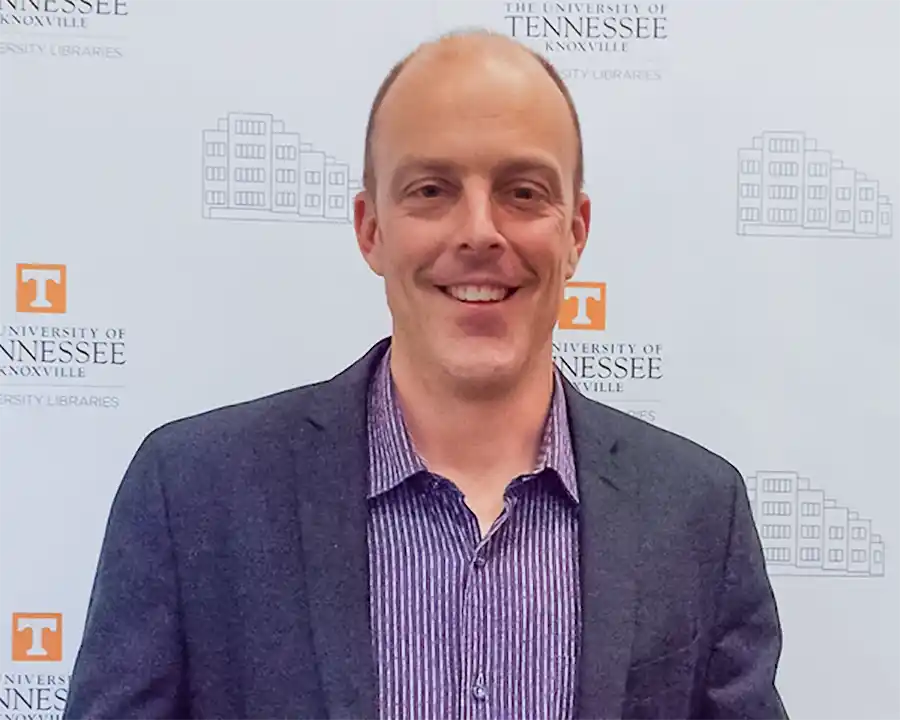
Alex Bentley

Social media is one of the main outlets where you can find people from all over the world discussing politics and sharing information. Sometimes, the information that is spread is not always accurate and can be used to sway the public’s opinion. A new study on social media content in Belarus outlines a general strategy of disinformation that appears to have occurred before and after Belarus’s presidential election in August 2020. 

Alex Bentley, professor of anthropology at the University of Tennessee, Knoxville, is part of a team who closely followed Russian-language Twitter content and disinformation campaigns from Belarus. 

 “The details of our results are beginning to outline the general strategy of disinformation campaigns that may play out over many months, opportunistically incorporating the inevitable events that occur along the way,” said Bentley.

 This research is one of the first studies regarding Russian-language social media. The republic of Belarus was formerly part of the Soviet Union. In the past, the government in the Soviet Republic held complete control over mass media and their citizens were closely censored. Disinformation campaigns are propaganda used in political events that purposely spreads false information in order to deceive the public. 

This research contributes to the team’s field of study by utilizing different research methods. The team performs several novel analyses, combining computational social science and in-depth qualitative analysis methods. The results from this study have already begun to identify the general outline of disinformation campaigns.

 The article, “Event-driven Dynamics of Social Media: A case study in Belarus,” was published March 1, 2022, in Springer Nature Social Sciences. 

 “This project was made possible by a unique, interdisciplinary collaboration under a MINERVA grant, led by Catherine Luther, professor and head of the UT School of Journalism and Electronic Media, and a half dozen UT co-authors across colleges” Bentley said. 

 Co-authors include Natalie M. Rice, Benjamin D. Horne, Catherine A. Luther, Joshua Borycz, Suzie L. Allard, Damian J. Ruck, Michael Fitzgerald, Oleg Manaev, Brandon C. Prins, and Alexander Bentley (University of Tennessee, Knoxville).

 Also included from other universities are Joshua Borycz (Vanderbilt University), Damian Ruck (Adavai, Ltd., UK), and Maureen Taylor (U. of Technology Sydney, Australia). 

—Story by Sarah Berry

Posted: March 2, 2022Filed Under: DDHR-News, News

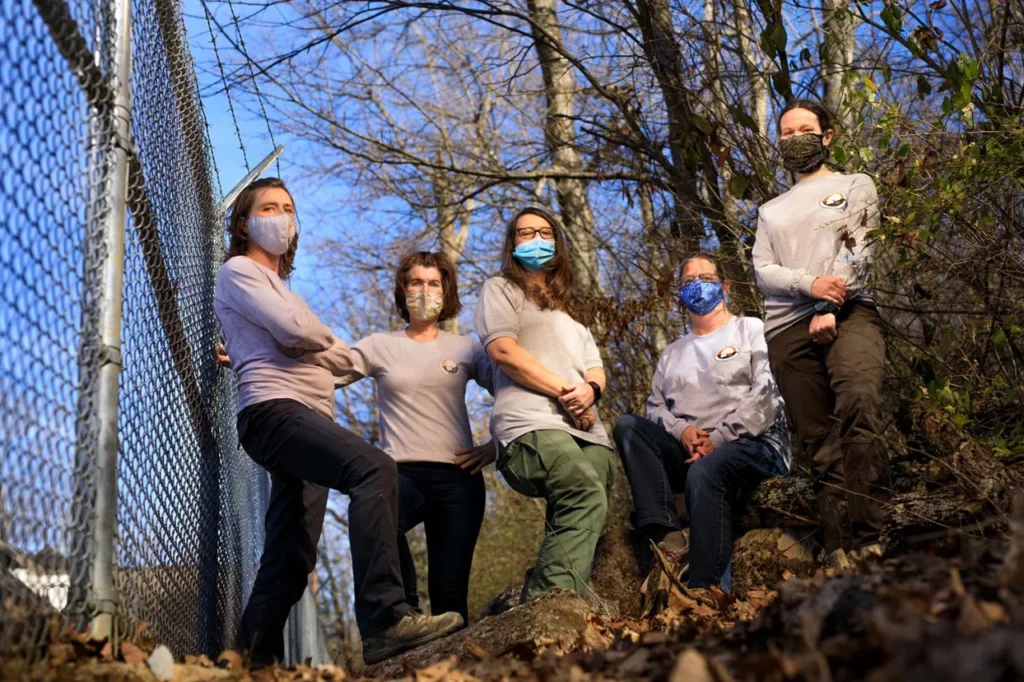
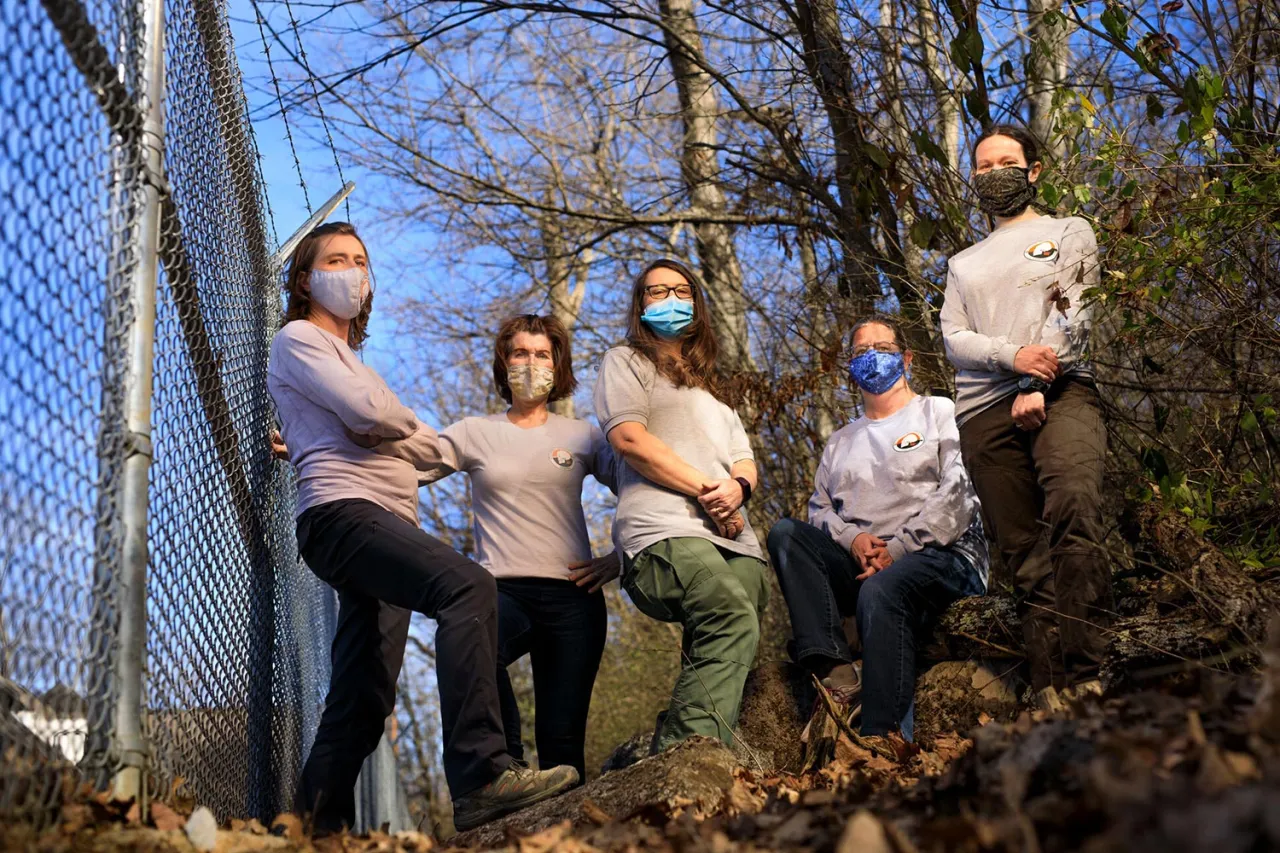
A group photo of FAC anthropologists Giovanna Vidoli, Joanne Devlin, Dawnie Steadman Lee Jantz, and Mary Davis

Five Women Lead Renowned Forensic Anthropology Center

Originally published on UTK News.

A group photo of FAC anthropologists Giovanna Vidoli, Joanne Devlin, Dawnie Steadman Lee Jantz, and Mary Davis

Every day, the red phone rings at the University of Tennessee, Knoxville’s Forensic Anthropology Center. Either Dawnie Steadman or Mary Davis, who share phone duties, answers. On the other end, a funeral home director, a police officer, or a family member shares with them some version of the same message: There’s a body here for you.

“That’s our death notification,” said Steadman, the FAC’s director. “That starts the process.”

The bodies belong to donors—one of the more than 5,000 people who have arranged to give their body for scientific study after death. Preregistration and infectious disease status are checked first. Then the FAC places calls to doctors and hospitals to request medical records. If everything checks out, a two-person team of graduate students drives to retrieve donors within 100 miles of Knoxville.

Donors are not the only bodies the FAC receives at its facility in the William M. Bass Forensic Anthropology Building on UT’s campus. At any given time, upwards of 40 forensic cases are handled for law enforcement by the FAC, which has contracts with the medical examiner’s offices of Kentucky and West Virginia and has consulted on cases as far away as the United Kingdom. In 2018, two of the center’s associate directors, Lee Meadows Jantz and Joanne Devlin, helped identify the remains of a 20-year-old Indiana woman who had been missing for more than 30 years. Not long afterward, a skeleton that had been at the facility since the 1980s was identified as that of a 15-year-old girl from New Hampshire who had run away from home and been murdered.

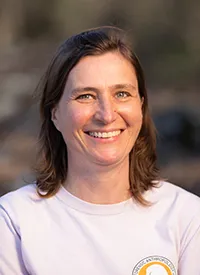
Dawnie Steadman

“When you wake up in the morning, you have your little to-do list,” said Davis, FAC assistant director and research associate. “You might as well throw that list out the window.”

The FAC is led by a team of five forensic anthropologists: Steadman, Davis, Jantz, Devlin, and Giovanna Vidoli.

“There’s this idea some people have that too many women can’t work well together,” said Vidoli, also an associate director for the FAC. “We’re all alphas in some way, which is exactly why we work well together. We trust each other to do the job.”

The FAC conducts national and international forensic investigations, trains law enforcement officers at every level in human remains identification, and oversees the Anthropology Research Facility—commonly known as the Body Farm—with as many as 200 decomposing bodies or skeletal remains. The center’s groundbreaking research on what happens to the human body after death has helped solve previously unsolvable crimes. And on top of it all the women who lead the FAC provide undergraduate and graduate students with invaluable hands-on experience in forensic anthropology, preparing them for the field in ways that few other university programs can.

The Body Farm and Beyond

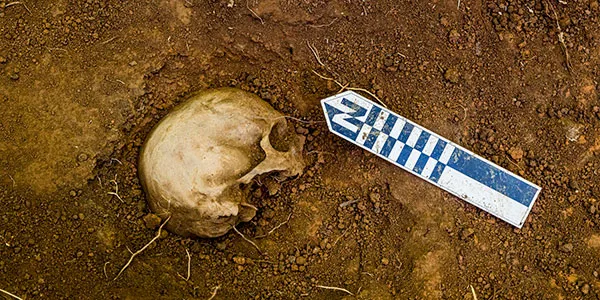
FAC Burial Excavation

On the outskirts of campus in the woods beside UT Medical Center, Professor Bill Bass (now professor emeritus) and his graduate students in 1981 built the world’s first outdoor research facility to study what happens to human bodies after death. Six years after the outdoor facility was created, the FAC was established within the Department of Anthropology. Since then, it has made headlines, helping to inspire a long list of books and television shows like CSI: Crime Scene Investigation and Bones. At one point, nearly two-thirds of board-certified forensic anthropologists in the United States were trained by Bass.

Around the time the FAC was emerging as a leader in forensic science, Steadman was an undergraduate at the University of Arizona. Originally a premed major, she had attended a lecture by Walter Birkby, a nationally recognized forensic anthropologist, and switched academic tracks. Birkby spoke about the techniques he used to identify victims after a tragic plane crash in Denver, Colorado. Thanks to his work, the families of the dead were not left wondering what happened to their loved ones. Their remains did not end up in indistinguishable common graves but were returned to their families.

“It’s not closure—but even if it’s the worst answer a person could possibly receive, families want to know what happened to their loved ones,” Steadman said.

Over the past three decades, Steadman has investigated mass graves in Argentina, Spain, and Uganda while working as a professor in Iowa and upstate New York and then at UT, where in 2011 she was named the FAC’s third director following the retirement of Richard Jantz.

Two of the five women who make up the FAC’s core team welcomed Steadman when she arrived. Jantz (’87, ’90, ’96) earned her bachelor’s, master’s, and doctoral degrees in anthropology at UT and has been with the FAC since it was established. “Lee is the living embodiment of our history,” Steadman said. Joanne Devlin (’96, ’02), director of undergraduate studies for anthropology, earned her master’s and doctoral degrees at UT and joined the faculty in 2004.

Giovanna Vidoli

Vidoli arrived in 2013. A former graduate student of Steadman’s, she had run field schools in Colombia and worked mass casualty sites in Guatemala and Thailand and at the World Trade Center. Davis, the final member of the team, started the day before her birthday in 2017, leaving her job as a death investigation specialist for the Georgia Bureau of Investigation to join the FAC.

“I had never even been on campus before,” Davis said. “Everyone in the field knows about the research coming out of UT. I couldn’t pass up the opportunity to work here.”

Over the years, each member of the team has carved out their own lane in order to manage the daily workload of running the country’s leading university forensic anthropology center. Steadman directs research and communications with partners like the National Institute of Justice. Vidoli organizes courses and trainings for law enforcement and oversees quality assurance. Jantz works cold cases and oversees the Bass Curated Skeletal Collection, which consists of 1,800 skeletons and is stored in Strong Hall. Devlin is the generalist, doing, in her words, “whatever needs doing.”

“A day at the FAC is like juggling all these different things above you in the air,” Devlin said. “The most important thing is the one that’s about to fall and hit you in the head.”

The FAC’s yearly trainings have attracted an international group of forensic anthropology students, law enforcement personnel, and scientists to refine a range of skills including excavating burials, distinguishing bones, and estimating time since death. Since 1999 the FAC has provided yearly training for the FBI’s Evidence Response Team. Later this year, a team of Mexican forensic scientists working to uncover mass graves from cartel murders will be in Knoxville to learn from the FAC team.

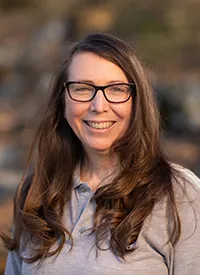
Lee Jantz
Lee Jantz

But the FAC may be best known for its expansive body donation program, which surged with the crime scene television shows of the 2000s. By 2009, the FAC was receiving more than 120 donors a year.

Davis oversees the front end of the program—the first contact for many families and individuals donating bodies. A significant portion of her job is spent answering their questions.

“They may be scared or curious or they just need someone to talk to,” Davis said. “If somebody is giving us the gift of their body, the least I can do is give a half an hour, 45 minutes of my time.”

Once bodies arrive at the FAC and are placed outside, they may take weeks to months to fully decompose. After the remains are brought back inside and stored in the skeletal collection, Jantz is responsible for communications with families of donors. On the day of a scheduled visit, she prints out a history of the trainings and research the donor supported and brings it to the family viewing the remains.

“One gentleman came in, and we have both of his parents,” Jantz said. “The mother had died from cancer and his father in a house fire. He felt like he had never had a chance to say goodbye.” Jantz was able to provide that for him.

There are also out-of-the-ordinary cases.

“I had one family visit, children to great-grandchildren, and they had made T-shirts for the occasion,” Jantz said. “They were ecstatic. They wanted me to lay out the skeleton, to touch it.” Before leaving, they purchased all kinds of merchandise the FAC sells to support its research.

A Gender Shift in Forensic Anthropology

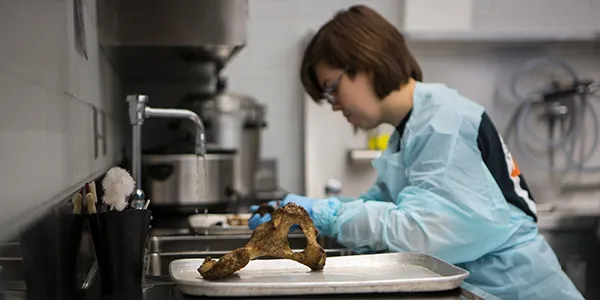
An FAC student cleaning bones

Compared to the 1980s, when Steadman and Jantz were in school, forensic anthropology has become an increasingly woman-led field. Of the nearly 40 graduate students currently working with the FAC, only three are men. The women of the FAC all have their hypotheses for why.

“It is possible women continue to be implicitly or explicitly turned away from the hard sciences,” Steadman said. Before switching majors as an undergraduate, Steadman had been boastfully told by a chemistry professor that he had never before given a woman a passing grade. “It was the only C I ever got, but I passed.”

“On the flip side, we know the women in our program are drawn to social issues like criminal justice and human rights,” Steadman said. “This is a field where you can be science-minded and also pursue justice for families. You can provide answers to them.”

Mary Davis

In 2019 the department officially established a forensic concentration within the anthropology major. About a quarter of the department’s first-year students are enrolled in the concentration. Undergraduates can take courses in skeletal processing, skeletal collections and curation, and anthropological field recovery as well as a forensic trainee course that allows them to work side by side with researchers.

“When you leave here with a BA, you have had more hands-on opportunities at the outdoor research facility than people in grad programs at other institutions,” Devlin said. As body farms have expanded nationwide to universities in North Carolina, Texas, Illinois, Colorado, Florida, and Michigan, many facilities end up employing alumni trained by the FAC. Texas State, for example, has at least four former UT students.

While solved forensic cases and body donations may grab more public attention, the research coming out of the FAC has proven just as valuable, particularly for government agencies. The center will soon complete a project for the National Institute of Justice looking at the effect drugs have on human decomposition, including how and which insects feed on the body when different drugs are present. In 2019 Vidoli and Devlin received a grant to create a protocol for correctly identifying blunt-force trauma occurring before death, even after severe burning. The research is the first in which complete human bodies were impacted by blunt force. The FAC collaborated with undergraduate students from UT’s Tickle College of Engineering who designed and developed a device to inflict the trauma.

Joanne Devlin

Even with a team of five, days at the FAC are long. The red phone rings two or three times a shift. Donors arrive week after week. Every semester, research is produced and investigations are closed. To keep the work moving takes trusting every member of the team to do their part. For Steadman, Davis, Jantz, Devlin, and Vidoli, that may mean literally being willing to put hands, knees, and bellies in the dirt beside each other—something they’ve proven over the years to be more than happy to do.

“In everything I suggest, whether it’s crazy or not, I know these women will support me, encourage me, and challenge me to be better,” said Devlin. “Maybe you can call that our approach.”

__

CONTACT:

Amanda Womac (865-974-2992, awomac1@utk.edu)


Posted: March 26, 2021Filed Under: Biological News, News

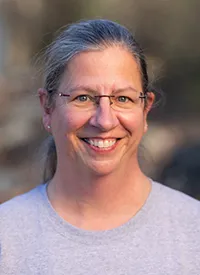
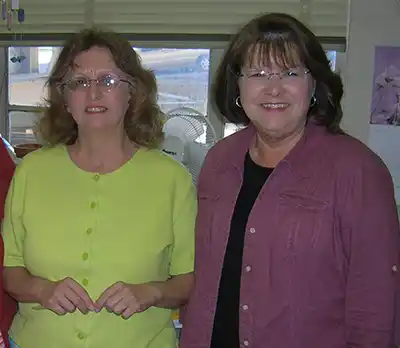
Charlene Weaver and Pam Poe

Spotlight on Staff

Charlene Weaver and Pam Poe

After a nearly 40-year career at UT, Pam Poe retired in January 2020. She began work in the basement of Neyland Stadium as one of five administrative staff and remembers Professor Bill Bass, the department head for many years, telling her on her first day “We’re moving to Strong Hall.” That prediction took 36 years to become reality, during which time she was promoted into each administrative position in anthropology until becoming business manager, the linchpin of the department. During her career, she was central to the growth of the department, working with faculty and staff to transform the Anthropology Research Facility from a shed in the woods behind UT Medical Center into an internationally recognized center for forensic research; supporting faculty in teaching, grant writing, and budgeting; mentoring staff; and helping generations of undergraduate and graduate students. She retired just a month before the pandemic began to spread and admits that this year has not been what she envisioned. Still, she is enjoying the time she spends with her grandchildren and the flexibility that her new schedule allows. One of her favorite parts of her job was getting to know faculty and students and watching their children grow up. She values the many friendships that she formed over the years.

When Poe joined the department in 1981, Charlene Weaver had already been a staff member for more than three years. She left UT in 1987 to raise her family. When her youngest son started kindergarten in 1994, she returned to the department and resumed working closely with faculty on grants and contracts. Last fall, in anticipation of Poe’s retirement, Weaver was hired as the new business manager. COVID-19 has affected all aspects of her job this year and has required flexibility and creativity in learning new skills and transforming her work habits and schedule to meet the challenges of the pandemic. Like Poe, she is crucial to the success and the spirit of the department. We are glad to welcome Weaver into her new role. She looks forward to a return to normalcy, when she can spend her days within the bustle of students, faculty, and staff, and see alumni and friends of the department who she has come to know over her many years in anthropology.

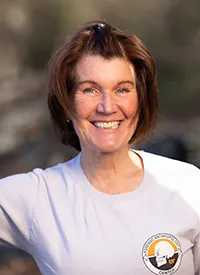
Chris Maguire

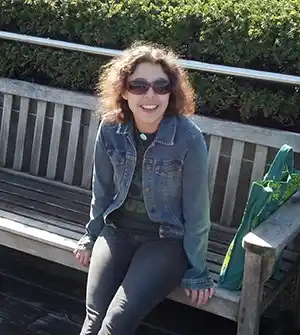
Chris Maguire moved from upstate New York to Knoxville in late 2016 with her husband for a change and the great weather—no snow! She started working for UT in the Department of Public Health in February of 2017 and moved to the anthropology department in March 2020 as an accounting coordinator. She works closely with the faculty and graduate students in developing and submitting grant applications and in grant administration. She is currently working on her BIS online at UTM with just a few classes to go, so is both a full-time staff member and a part time student at the University of Tennessee.


Posted: January 21, 2021Filed Under: News

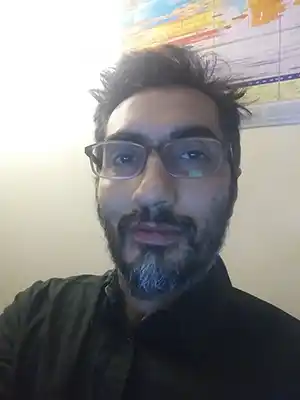
Raja Swamy

DDHR Program Working Papers Series

Raja Swamy

The Disasters, Displacement, and Human Rights (DDHR) Program is now accepting submissions to a new working papers series. Envisioned primarily as a vehicle for UT graduate students and faculty to share their academic work as it is being prepared for final publication, the series is the brainchild of Raja Swamy, assistant professor of anthropology. It will provide an opportunity for authors to receive feedback on their work and to disseminate it widely to an audience of scholars interested in themes relating to disasters, displacement, structural violence, human rights, and social justice.

When pandemic travel and gathering restrictions are lifted, the series will become an important part of the biennial DDHR conference, enabling conference attendees to develop papers for formal publication.

Visit the Submissions Portal


Posted: January 20, 2021Filed Under: DDHR-News, News, Uncategorized

Tamar Shirinian

Student-Faculty Team Examine Mental Health Care

Tamar Shirinian

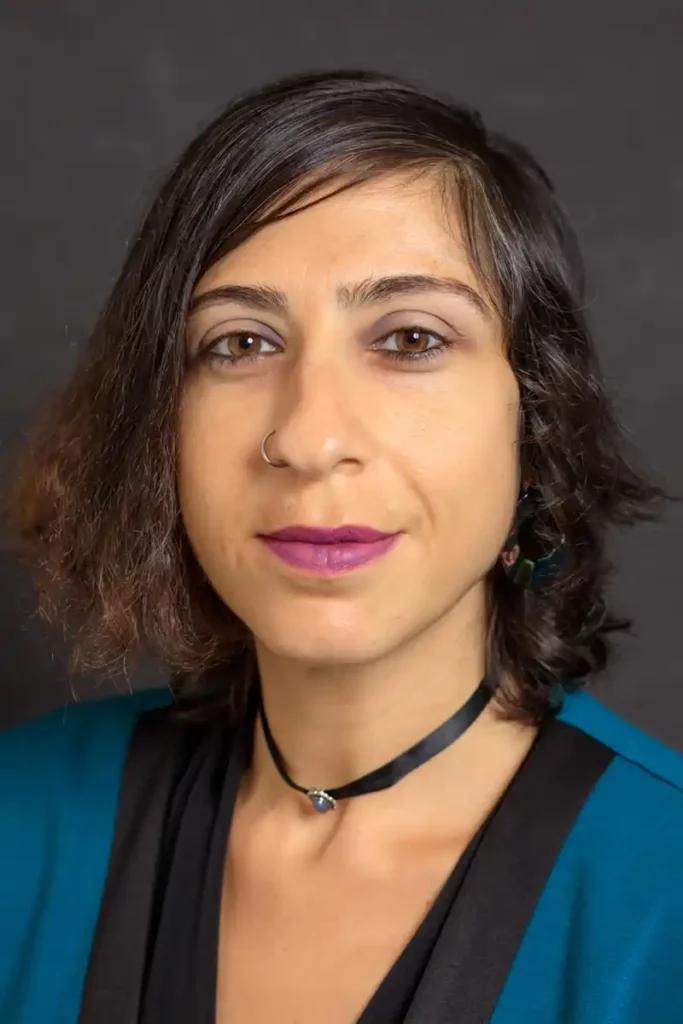
Tamar Shirinian, a postdoctoral teaching associate, and graduate student Julian McDaniel received a Scholarly Activity and Research Incentive Fund grant in 2020 to examine how health insurance companies mediate the care that clients receive for mental health, and thus the critical relationships between mental healthcare providers and those suffering emotionally.

The team interviewed healthcare professionals in Knoxville virtually or by phone, as pandemic restrictions did not allow them to conduct face-to-face meetings. The study contributes to McDaniel’s master’s thesis work on addiction recovery in Knoxville and is part of a broader research program led by Shirinian examining mental health and recovery that she hopes to expand nationally. 


Posted: January 20, 2021Filed Under: News

Steven Lautzenheiser

Modern Human Movement

Steven Lautzenheiser

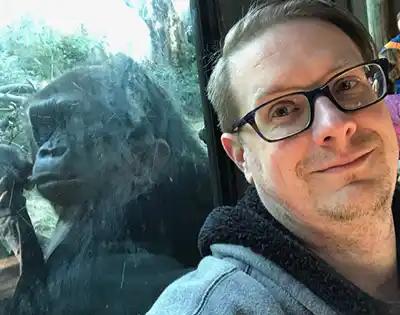
This fall, we welcomed Steven Lautzenheiser, who received his PhD from the University of Washington in 2019, as a lecturer in biological anthropology. In addition to teaching the introductory course in biological anthropology, Lautzenheiser is also teaching undergraduate and graduate courses on evolutionary biology, primates and primate evolution, and human paleontology.

Lautzenheiser’s research combines anthropological and engineering theories and mathematical modeling in order to understand how modern humans came to move the way that we do. Bipedalism, or walking upright, is a central part of our evolutionary story. The fossil record of the extinct members of the human lineage preserves evidence of alterations in the structure of the foot, suggesting that how our ancestors moved across the landscape changed over time. Understanding these differences requires careful study of the relationship between how the foot interacts with the ground and the size and shape of the bones that enable that interaction. Lautzenheiser measured the ground reaction forces on the feet of volunteers in the laboratory as they walked in a straight line and as they changed direction while walking, and then modeled how these forces contributed to the shape of the talus (ankle bone). He found that not only does changing direction affect the ground reaction force applied to the foot, but that the orientation of the foot affects how these forces pass through it. By increasing our understanding the biomechanics of the foot and ankle of modern humans, his research helps us to understand the fossil record better.


Posted: January 20, 2021Filed Under: Biological News, News

Anneke Janzen

The Human-Animal Relationship

Anneke Janzen

The department welcomed Assistant Professor Anneke Janzen to our faculty in fall 2019. Janzen holds a PhD in anthropology from the University of California, Santa Cruz. She joined us after completing post-doctoral appointments at the Cotsen Institute of Archaeology at the University of California, Los Angeles, and the Max Planck Institute for the Science of Human History in Jena, Germany. She remains a research affiliate of both institutions.

Janzen specializes in zooarchaeology, exploring the relationships between people and animals in the past. A major focus of her work has been discovering how the practice of herding spread across Africa (c. 5000 to 2000 BP), and how early herders in Kenya, Tanzania, and Zambia used the landscape and managed their domestic animals. She also studies the effects of colonialism and the introduction of domesticated herd animals on the diets of indigenous and colonizing people and on the environment of North America. Her findings appear in highly respected journals including Palaeogeography, Palaeoclimatology, Palaeoecology, Journal of Archaeological Science, Proceedings of the National Academy of Sciences of the United States of America, and Quaternary Science Reviews, among others.

Janzen’s expertise in stable isotope analysis and zooarchaeology by mass spectrometry (ZooMS) adds cutting-edge, minimally destructive chemical and biomolecular methods of identification and analysis to the department’s longstanding strengths in zooarchaeological research based on skeletal anatomy. Carbon stable isotope analysis of animal remains provide information about the plants that animals ate while they were alive, while strontium stable isotopes contribute to our understanding of human and animal mobility. ZooMs allows researchers to identify bones, based on peptide-fingerprinting of collagen, that are too fragmentary or too similar for standard methods of skeletal identification.


Posted: January 20, 2021Filed Under: Archaeological News, News

Giovanna Vidoli

FAC News

The Forensic Anthropology Center (FAC) is working on multiple interdisciplinary collaborative projects that focus on locating missing individuals, estimating how long they have been deceased, and interpreting trauma.

Amy Mundorff
Amy Mundorff

One team is working in forests, terrain that typically hinders recoveries of human remains due to the density of ground cover that hides visual clues to their locations. By identifying the ways in which human decomposition affects plants growing in close proximity, and how these effects might be detected through changes in plant growth, spectral characteristics of their leaves, and other biochemical changes, the research teams seeks to turn trees from foes to allies. The project is equipping drones to fly over forested areas with arrays of sensors that detect subtle, localized changes within forest canopies that can be used to detect the presence of human remains. The results will be of immense value in using plants to aid in forensic recovery. The team is led by anthropology faculty members Amy Mundorff and Dawnie Steadman, Neal Stewart of the University of Tennessee Institute of Agriculture Department of Plant Sciences, and includes other faculty and staff within these departments and with the Department of Biosystems Engineering and Soil Science and the Department of Food Science. It is funded by the Department of Defense and USDA Hatch grants.

Two projects funded by the National Institute of Justice tackle some of the most difficult problems in forensic anthropology – estimating how long individuals have been deceased (postmortem interval) and interpreting trauma after burning.

Dawnie Steadman
Dawnie Steadman

The first project examines how medications in the body impact decomposition rates by studying the drug effects on insects and microbes that feed on the body. Current methods of postmortem interval estimation will need to be modified if it is found that drugs increase or decrease insect development rates. This team is led by Dawnie Steadman, Shawn Campagna from the chemistry department, and Jennifer DeBruyn from the Department of Biosystems Engineering and Soil Science.

The second project is developing a protocol by which blunt force injuries sustained at the time of death can be discriminated from fractures produced by burning. Fire is often used to cover up a crime and the damage to the body can be extensive. This study, led by Giovanna Vidoli and Joanne Devlin, with assistance from colleagues in the Tickle College of Engineering, uses radiography and microscopic techniques to help characterize fractures that are due to blunt force trauma and those created by burning.

Another project, funded through a graduate student-faculty research award, seeks to more accurately predict the probable location of drowning victims and others whose remains are moved by the flow of water. Working with faculty mentor Dawnie Steadman and Nicole McFarlane from the engineering college, Karli Palmer will create “smart” manikins that can be placed in natural bodies of water and tracked for hours or days while collecting quantifiable, replicable data on their movement. Knox County Rescue is also assisting with the field testing. This project will indicate which variables impact the movement of human remains in water and will allow for more accurate predictive models for recovery. In addition, the manikin may serve as a prototype that could be used by future investigators seeking to find missing persons. The ability to narrow down the search area would increase investigators’ chances of success in locating the remains and reduce the labor and resources required.

Giovanna Vidoli
Giovanna Vidoli

While training was certainly impacted by COVID-19 this year, the FAC created a new partnership with the Mexican government to train their investigators tasked to locate and recover human remains from mass graves throughout Mexico, many of whom are civilians killed by drug cartels. In addition, Giovanna Vidoli was invited by the International Committee of the Red Cross to go to Mexico to assist with in-country training. Further, Joanne Devlin and Giovanna Vidoli were invited to attend the first half of the FBI Emergency Response Training. 


Posted: January 20, 2021Filed Under: News

Understanding Foodways

a group of Anthropology students at Excavations at Cherokee Farm
Excavations at Cherokee Farm

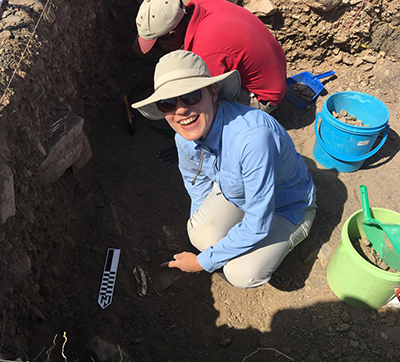
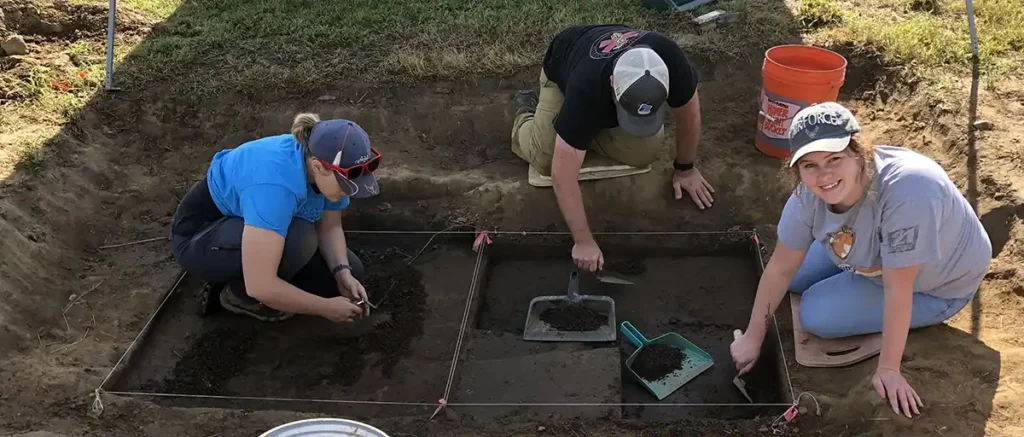
Kandace Hollenbach, assistant professor, is working with undergraduate major Hattie Ruleman on her senior honor’s thesis, which focuses on extracting, identifying, and analyzing carbonized plant remains from samples excavated from roughly 2,500-year-old archaeological deposits at UT’s Cherokee Farm campus. Hollenbach taught a field school at Cherokee Farm during the 2018 and 2019 May mini-terms. The project is part of her larger research effort to understand the transition from foraging (gathering) to farming in the Midsouth region, which includes East Tennessee.

Kandace Hollenbach
Kandace Hollenbach

Hollenbach specializes in paleoethnobotany, the study of ancient plant remains. Her work sheds light on the foodways of past peoples, which include the ways people procure, produce, process, cook, share, consume, store, and discard foods. These practices are tied to social and ecological opportunities and constraints. Understanding foodways helps to clarify the relationships of people within and between households, with neighbors, and with plants, animals, and other resources in the landscape.

Approximately 4,000 years ago, people in the Midsouth stopped relying solely on wild fruits, seeds, and nuts foraged from floodplains and upland forests. They began cultivating a suite of plants and domesticated at least five of them, including squash, sunflower, and chenopod (a northern cousin of quinoa). During this transition, peoples’ relationships with the landscape, and their mobility, also shifted, as early farmers invested resources in cultivated plots. By about 3,000 years ago, their increased investment led to a more sedentary lifestyle and changing relationships with neighbors, who no longer had access to (at least some) plants growing in those plots. The deposits at Cherokee Farm are related to these increased investments in floodplain cultivation.

Hattie Ruleman

In her work, Ruleman has identified chenopod and maygrass seeds in the samples, in addition to hickory nuts, acorns, and grape seeds. Later deposits, dating to about 800 years ago, indicate a shift to maize farming and use of wild rice.

In modern foraging groups around the world, women are the primary gatherers, and this was probably true in the past. Hollenbach’s research places the decisions of past women at the forefront of her research. Among early foragers, women may have decided when to move camp to take advantage of ripening fruits, seeds, and/or nuts at particular places on the landscape. Given their roles as gatherers, women likely became the first farmers in the eastern United States. The transition from foraging to farming likely led to changing relationships between women and men.

Despite these important shifts in how groups interacted with the landscape, their neighbors, and within their households, few archaeologists have examined the consequences of the shift to farming in the Midsouth. Hollenbach’s work with Ruleman and other students is helping to change our understanding of the social and ecological consequences of the transition from foraging to farming.


Posted: January 20, 2021Filed Under: Uncategorized

Barbara Heath

Working Together

Barbara Heath

Message from the Department Head

I began my new position as department head in August, having served on the faculty since 2006. I am grateful for all of the support and encouragement that my colleagues have shared during what has been a challenging year for faculty, staff, and students at UT and across the country.

With the outbreak of COVID-19 in March, UT moved all courses online in the space of a week, implemented travel restrictions, curtailed access to campus labs, the libraries, and other on-campus spaces, cancelled graduation ceremonies, off-campus summer programs and in-person interviews, and began to create the infrastructure for combatting the spread of the disease within our community. These changes, although necessary and prudent, have had a profound effect on research, teaching, and learning. By fall, the department had been transformed both physically and psychically. Staff, with the help of an ad-hoc group of faculty, moved furniture in classrooms and hallways into temporary storage to accommodate social distancing requirements, posted signage, and purchased and distributed PPE; instructors pioneered new classroom technologies that allow us to teach more effectively in this new pandemic world; and we collectively reached out to undergraduate and graduate students to find out how they were coping and what they needed to succeed.

Despite being physically distant, in some ways this year the department has become a more cooperative and caring place, facing head-on not only the coronavirus pandemic, but the need for each of us to work together to address the social pandemic of racism and to strengthen the department as an equitable learning community based on respect. The recent losses of our colleagues Rebecca Klenk, a cultural anthropologist, and Randy Pearce, a dentist and forensic odontologist, have also brought many of us together to mourn their passing.

Even in the midst of these extraordinary challenges, we continue our mission of research, teaching, and service. The department is undergoing a period of rapid growth. The addition of undergraduate concentrations in forensics and disasters, displacement, and human rights (DDHR), coupled with broader societal factors that underscore the relevance of anthropological knowledge in today’s world, have resulted in an impressive 47.5% increase in majors over the last two years. Growing numbers of students are also taking advantage of the DDHR graduate certificate.

Members of the department continue to shine as award-winning educators and nationally and internationally-recognized student achievers, leaders within the profession, and recipients of prestigious research grants. I have summarized many of our accomplishments below, and others appear in greater detail in the online version of the newsletter, but I would like to take this opportunity to highlight just a few.

  • Professor Dawnie Steadman was named a Chancellor’s Professor, the highest lifetime honor that can be accorded to a member of the faculty, which recognizes extraordinary scholarly accomplishment as well as a record of excellence in teaching and service to the university. She also received the Dr. William M. Bass Professorship in the Department of Anthropology and the Forensic Anthropology Center, established through a generous donation by Joseph M. and Rebecca H. Haskins. The award is based on excellence in research and teaching in the field of forensic anthropology.
  • Associate Professor Ben Auerbach’s co-edited volume, The Evolutionary Biology of the Human Pelvis: An Integrative Approach, was published by Cambridge University Press.
  • Professor Alex Bentley, Associate Professors Garriy Shteynberg (psychology), and Jonathan Garthoff (philosophy), received the College of Arts and Sciences Award for Interdisciplinary Collaborative Scholarship and Research in 2019 for their work on collective learning and its impact on collective identities, social norms, and strategic cooperation.
  • Hera Jay Brown (’18) was named a 2020 Rhodes Scholar.
  • Clare Remy was one of five UT undergraduate students to receive a prestigious Goldwater Scholarship.

Looking ahead, 2022 will mark the department’s 75th anniversary and the 50th anniversary of granting graduate degrees. Soon we will begin planning ways to celebrate these important milestones. If you have stories that you would like to share of your time at UT, I would love to hear from you. I look forward to welcoming you back to campus post-pandemic. Until then, please stay safe and well.

Barbara Heath
Professor and Head
Department of Anthropology


Posted: January 20, 2021Filed Under: News, Uncategorized

  • « Previous Page
  • 1
  • 2
  • 3
  • 4
  • 5
  • Next Page »

Exploring the human experience.

Careers

Newsletter

Giving

Anthropology

College of Arts and Sciences

502 Strong Hall
1621 Cumberland Avenue
Knoxville, TN 37996-1525
+1 (865) 974-4408
anthropology@utk.edu


Facebook Icon    X Icon    Instagram Icon    YouTube Icon

The University of Tennessee, Knoxville
Knoxville, Tennessee 37996
865-974-1000

The flagship campus of the University of Tennessee System and partner in the Tennessee Transfer Pathway.

ADA Privacy Safety Title IX