• Request Info
  • Visit
  • Apply
  • Give
  • Request Info
  • Visit
  • Apply
  • Give

Search

A-Z Index Map

Anthropology

  • About
  • People
  • Undergraduate
  • Graduate
    • Degree Programs
    • Apply
    • DDHR Graduate Certificate
    • Graduate Handbook
    • Graduate Forms
    • Awards & Scholarships
    • Graduate Student Association
  • Opportunities
  • Visiting Lecture Series
  • Giving
topography background

News

News

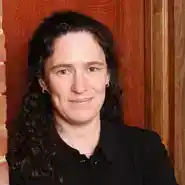
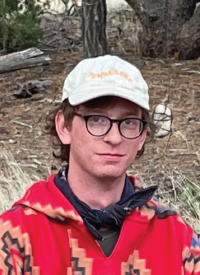
Student headshot photo

Graduate Student Jonah Bullen awarded prestigious fellowship.

Jonah Bullen of Maryville, Tennessee, is a master’s student in anthropology. Jonah was awarded a National Science Foundation Graduate Research Fellowship. The oldest graduate fellowship of its kind, the NSF Graduate Research Fellowship helps ensure the quality, vitality and diversity of the scientific and engineering workforce of the United States. The five-year fellowship provides three years of financial support, including an annual stipend of $37,000 along with a $16,000 allowance for tuition and fees paid to the institution.

Bullen’s research focuses on using microscopic silica bodies found in fungi to study Indigenous pre-contact foodways and environmental management in North America. He has worked closely with Kandace Hollenbach, associate professor and associate head of the Department of Anthropology and associate curator of paleoethnobotany for UT’s McClung Museum of Natural History and Culture.

“Being awarded the NSF-GRFP is at the apex of my academic journey thus far, playing a pivotal role in my graduate study and career aspirations,” said Bullen. “Though I am grateful for this recognition, I attribute this milestone to the dedicated guidance provided to me by professors and graduate student mentors, as I firmly believe that this accomplishment is as much theirs as it is mine.”

His faculty mentor has been Alison Damick, manager of the Laboratory of Environmental Archaeology.

Posted: August 30, 2024Filed Under: News

Spotlight on Staff

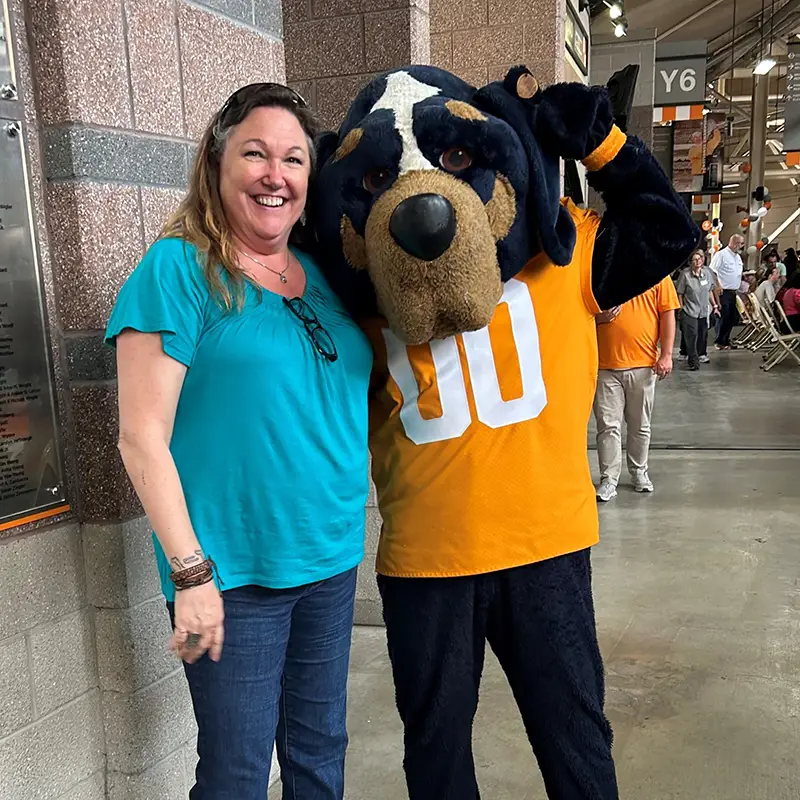
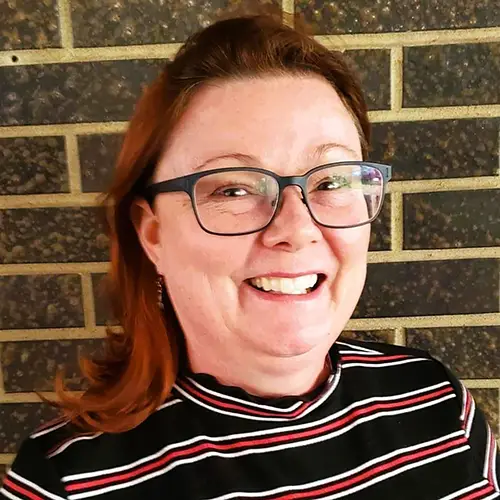
Anthropology faculty, staff, and students welcomed new administrative assistant Helen Spencer to our department in June. She works closely with students and faculty to facilitate all aspects of the graduate program and undergraduate registration, provides timetable support, and monitors the department’s website. Helen was born in Alabama. When she was four, her family moved to Iran, where her father worked as a supervisor with Sikorsky. She served in the US Coast Guard and received her associate degree in 2011. Spencer plans to continue her education here at UT. She enjoys spending her leisure time with her two daughters, painting, wood working, and walking along the riverbanks of East Tennessee.


Joey O’Dell joined the department as Archaeological Collections Manager at the archaeology curation facility at Middlebrook Pike in May. She has spent this year consolidating, organizing, and moving equipment to make space for an expanded team working to fulfill our legal and ethical responsibilities under the Native American Graves Protection and Repatriation Act (NAGPRA). The reorganization will also result in a better integration of laboratory and curation spaces.

Over the next few months, O’Dell will work with campus and community partners to focus on preparing collections whose management falls outside of NAGPRA for further academic research and begin updating the archaeological collections database to inform future research and increase the availability of collections for professional and student analyses and community-based exhibits. She is working closely with Ellen Lofaro, Anthropology’s Curator of Collections, and our Curation Committee to develop a set of updated curation policies for the department.

O’Dell holds a bachelor’s degree in anthropology, with a focus in archaeology, and a master’s degree in public history from Middle Tennessee State University (MTSU). As a student, she worked at the Center for Historic Preservation and served as the manager of the Archaeology and Public History Labs at MTSU for three years. She is a founding member of the new Community of Practice for Southeast Curation Care which aims to bring curation professionals together to share information, develop ideas, and create solutions for common collections care challenges.


Posted: April 12, 2024Filed Under: News, Newsletter

Welcome New Faculty

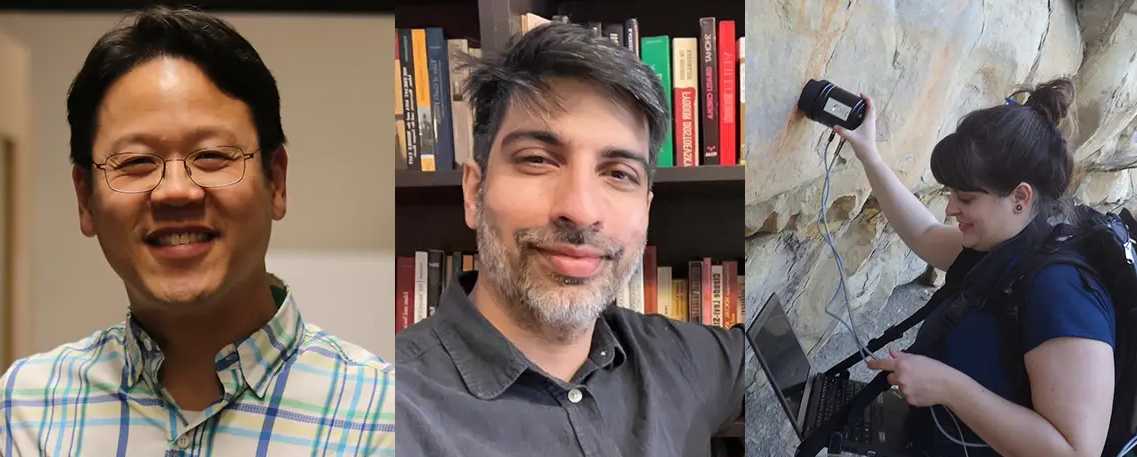
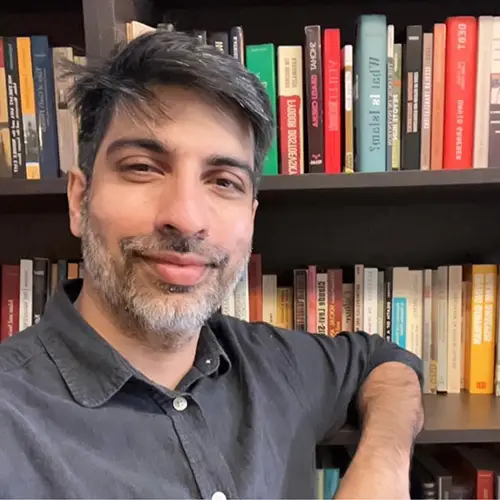
Headshot photo of Arsalan Khan

Arsalan Khan has joined the department as Associate Professor after previously teaching at Union College in Schenectady, NY. His research is situated at the intersection of semiotics, ritual, gender, and ethics, themes that he has explored in the context of the Islamic revival in Pakistan. Through an examination of the transnational Islamic piety movement the Tablighi Jamaat in Pakistan, he explores the broader relationship between Islam, secularism, and modernity. Khan’s research shows how a distinct form of hierarchical pious relationality, crafted in ritual, structures the Tablighi congregation and how it becomes the ground upon which Tablighis transform domestic and public life and create an Islamic moral order. His book manuscript, The Promise of Piety: Islam and the Politics of Moral Order in Pakistan is newly published by Cornell University Press.

Khan has returned to Karachi during spring semester to explore the creation of citizenship and belonging. For his next book project, Islam, Citizenship and Moral Responsibility in Karachi’s Climate Crisis, he is examining how various social groups materialize moral claims to citizenship and belonging through public performance and patronage by drawing on democratic, legal, and Islamic values. He will then document how provincial officials and bureaucrats respond to such claims. More broadly, Khan’s project explores the constitution of democratic and religious citizenship in Pakistan in the context of the climate emergency.


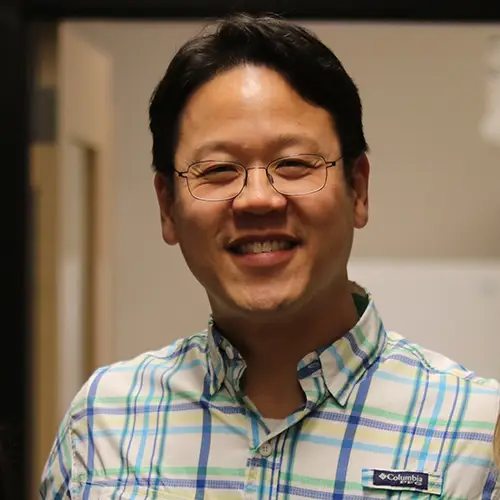
Headshot photo of Yangseung Jeong

Yangseung Jeong is a biological anthropologist who specializes in forensic anthropology. He has been a fellow of the Oak Ridge Institute for Science Education at the Central Identification Laboratory of the Defense POW/MIA Accounting Agency (DPPA), and a professor at Middle Tennessee State University, before joining our department as assistant professor in 2024. He currently serves as an external consultant for the Korean National Policy Agency and contributes to the editorial board of Anatomy & Biological Anthropology. 

Jeong’s research focuses on developing and validating population-specific methods for biological profile reconstruction, and on understanding the interactions between human body decomposition and the surrounding environment. He has established the Korean CT Scan Database with 1,500-plus whole-body CT scans and the Forensically Important Fly (FIF) Collection comprising 3,000-plus blowflies from the Anthropology Research Facility (ARF). The American Academy of Forensic Sciences has recognized his recent project on a digital pair-matching technique using CT scans, earning him the prestigious Ellis R. Kerley Research Award in 2022. Pair-matching is a method used to identify individuals in contexts such as mass graves or resulting from mass tragedies, in which human skeletal remains have been comingled. Currently, he collaborates with the DPPA to develop a pair-matching method specific to their agency. He aims to broaden his research scope at UT through collaborations with colleagues and graduate students, offering diverse research opportunities to interested students.


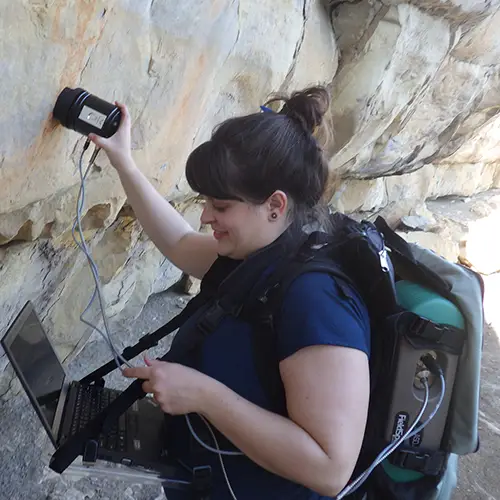
Photo of Sierra Bow working in the field

Sierra Bow, a new lecturer in the department, is an anthropological archaeologist who integrates techniques and approaches from the physical, chemical, and earth sciences to address archaeological questions and problems. Her primary research delves into pre-contact cultures within the Southeastern United States, utilizing innovative, non-destructive techniques to understand the material properties of ceramics and rock art pigments. In addition to teaching the introductory course in archaeology, Bow teaches a variety of archaeology classes including southeastern archaeology, experimental archaeology, ceramics, and world rock art. She oversees the analytical archaeology laboratory, equipped with a portable X-ray fluorescent spectrometer (PXRF) and fiber-optic reflectance spectrometer (FORS), where she guides both undergraduate and graduate students Beyond academia, Bow is engaged in public outreach to foster a greater understanding of archaeology among diverse audiences.


Posted: April 7, 2024Filed Under: News, Newsletter

Graduate Students in the News

Megan Kleeschulte, a doctoral candidate in anthropology, received University’s Excellence in Community Engagement award and was also named the 2023 Graduate Volunteer of the Year.

PhD student Lateefa Abel was awarded a $5,000 McClure Scholarship for travel to Peru to conduct dissertation work with the Lambayeque Valley Biohistory Project.

PhD candidate Mac Archer was awarded a $25,000 American Dissertation Fellowship from the AAUW for her work on Haitian orphanages. 

PhD candidate Jordan Schaefer won first place in the Southeastern Archaeological Conference’s Student Paper Competition for “A Phenomenological Study of 12th Unnamed Cave, a Dark-Zone Cave Art Site, through 3D Photogrammetric Modeling and Archaeoacoustics” at their annual meeting in Chattanooga.

The March “Student Spotlight” for the Center for Teaching and Learning Innovation featured PhD candidate Jenna Watson.

Read more here


Posted: April 4, 2024Filed Under: News, Newsletter

National Institute of Justice Supports UT Faculty with Awards for Forensics Research

UT’s Forensic Anthropology Center (FAC) received two grants totaling more than $580,000 from the National Institute of Justice (NIJ), the research, development, and evaluation agency of the US Department of Justice. A longtime grantee across numerous forensics research topics, the College of Arts and Sciences research center—which includes the Anthropological Research Facility, also known as the Body Farm—is known worldwide for its research and training.

The grants, announced during a campus visit and research presentation by the NIJ on December 4, support the work of multiple College of Arts and Science faculty members working across disciplines on two new research projects. The first will help law enforcement locate clandestine graves, and the second will help inform how relic DNA in the soil affects forensic investigations.

“The University of Tennessee, Knoxville, is a beacon for the field of forensic science research,” said NIJ Director Nancy La Vigne. “Since 2007, NIJ has awarded 26 forensic science research grants to the university, totaling over $6.9 million. I am pleased to announce that NIJ has made two new research awards to the university that will develop essential knowledge that can inform the identification of decedents—information that will ultimately guide investigations, help solve cold cases, support prosecutions, and bring justice to victims and their families.”

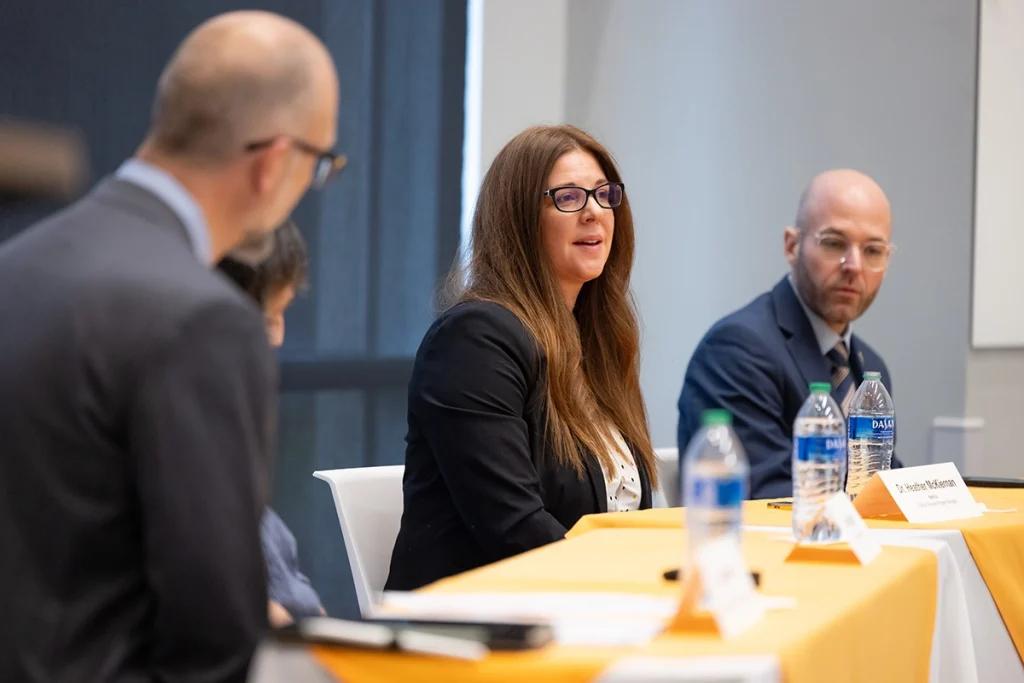
Woman speaking as part of roundtable discussion from NIJ campus visit. Photo by Steven Bridges.
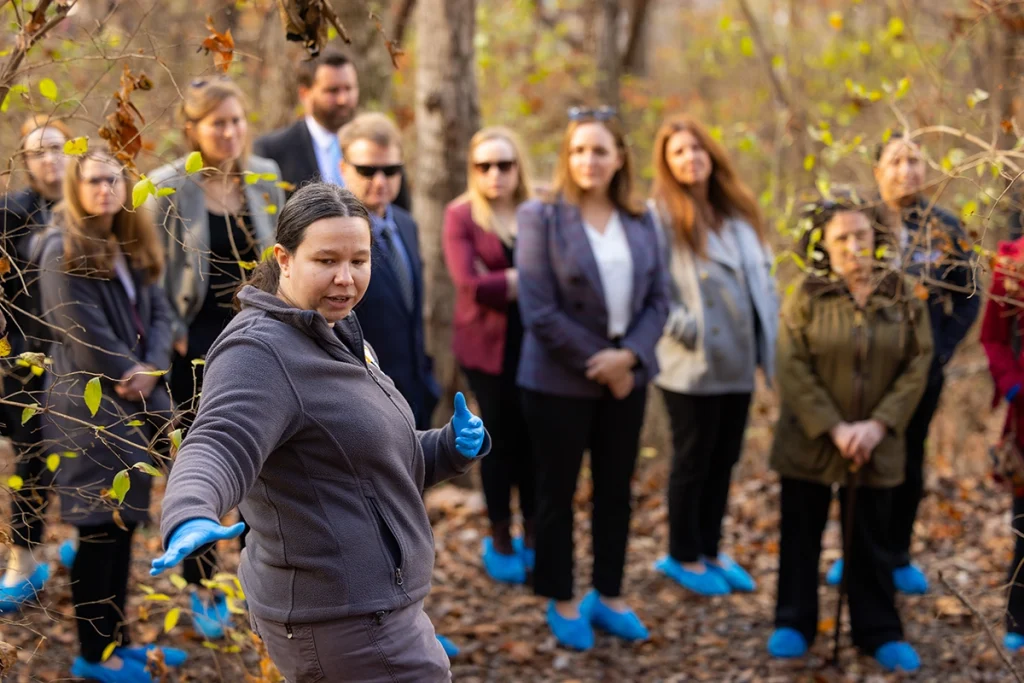
Field demonstration from NIJ campus visit. Photo by Steven Bridges.
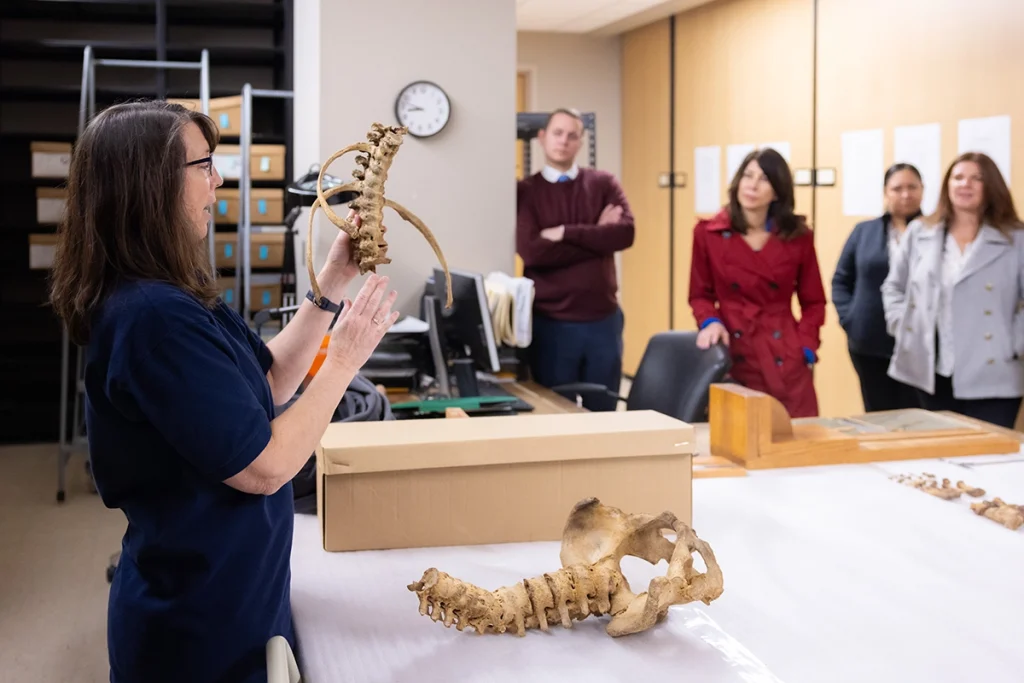
Lab demonstration with bones from NIJ campus visit. Photo by Steven Bridges.

The award recognition is the latest example of how the FAC has helped promote forensic science for the betterment of the state, the region, and the world.

“The FAC exemplifies our faculty’s interdisciplinary work that helps make life and lives better, especially in bringing closure and justice for those who have lost loved ones through tragic events,” said College of Arts and Sciences Interim Executive Dean Robert Hinde. “These grants, and the FAC’s long history of external funding, reflect the value of this work.”

Research leaders across the college and university echoed Hinde’s thoughts.

“The FAC is renowned for research excellence—it has long been a leader in the field,” said Michael Blum, the college’s associate dean for research and creative activity. “The NIJ awards will support its core mission to pursue innovative groundbreaking advances, mindful of the need to put research into practice.”

These advances include scientific research projects that will help identify the remains of people who fell victim to crime or perished due to international conflict, bringing their families a sense of closure.

“For more than three decades, the FAC has generated critical breakthroughs and improvements in forensics research and operations, solidifying its role in helping law enforcement cases and giving families closure,” said Deborah Crawford, UT’s vice chancellor for research, innovation, and economic development. “Researchers at the FAC are harnessing the tools of cutting-edge science to address critical forensics challenges—showcasing the creativity and impact of UT Research and exemplifying the Volunteer spirit of service and leadership.”

$351,078 Awarded for ‘Evaluating the Reliability and Accuracy of Multiple Geophysical Methods in the Search for Clandestine Graves’

For the project involving the search for hidden burials, the FAC team will use three different methods of locating graves—ground-penetrating radar, electromagnetic conductivity and magnetometry—under a variety of conditions, including variations in terrain.

Their ultimate goal is to provide NIJ with hard data showing which methods are most accurate in a given set of circumstances.

They will also keep track of the time required to set up and break down equipment and conduct an analysis of costs associated with each detection approach so individual law enforcement agencies can take those factors into account when planning and conducting a search.

Department of Anthropology faculty members engaged in this work include Research Associate Mary Davis and Research Associate Professor Giovanna Vidoli as principal investigators, with Distinguished Lecturer Joanne Devlin and Associate Professor Amy Mundorff serving as investigators.

$229,454 Awarded for ‘Impact of Relic DNA on Forensic Microbiome Applications in Criminal Investigations’

Microbes are useful to investigators in numerous ways, from helping determine the time of death to potentially linking back to a suspect or location if a crime has been committed. The potential exists, however, for a false reading or misunderstanding of the data due to relic DNA that should not have been associated with the burial, and our understanding of such DNA and how it affects forensic investigations is very incomplete.

Using tools such as postmortem interval estimation and trace evidence analysis, the FAC is working both to gain a better understanding of the effects of relic DNA and to make recommendations to forensic agencies on best practices surrounding microbes and relic DNA.

Department of Microbiology Research Assistant Professor Zach Burcham and Alison Buchan, Carolyn W. Fite Professor and associate head for the Department of Microbiology, are serving as principal investigators with Vidoli as an investigator.

Further Connections to NIJ Projects

Amy Mundorff

Mundorff is part of a third NIJ-funded project, which is being led by Bode Technology: “Evaluation of Target Enrichment for SNP Genotyping of Skeletal Remains.” With funding of $659,287, the project is working to improve, enhance, and outline best practices for using genotyping when working with skeletal remains.

“There are well-established, validated, practices for single nucleotide polymorphisms (SNP) genotyping from recently deceased, fully fleshed human remains. This project seeks to validate these procedures to achieve similar results from skeletonized remains,” said Mundorff, whose research specializes in human identification from skeletonized remains and developing new methodologies for locating clandestine graves.

Mundorff has built a strong history of working with the NIJ, with seven awards — four of them with Bode — dating back to 2010.

The well-earned support for these projects helps College of Arts and Science faculty members merge skills across disciplines to shine new light with their investigations, putting the Volunteer Spirit into real-world practice at home and around the world.


Posted: December 8, 2023Filed Under: News

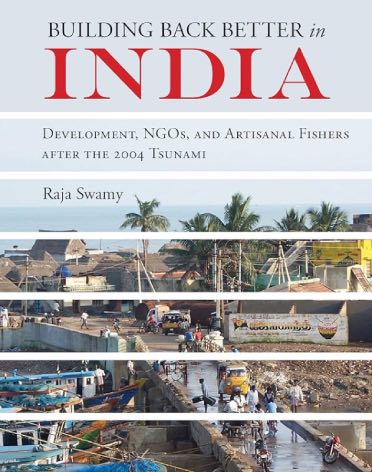
Building Back Better India book cover

Dr. Raja Swamy featured on the “Pretty Heady Stuff” podcast show

Dr. Raja Swamy was featured on”Pretty Heady Stuff,” a podcast show that features interviews with a variety of theorists, artists and activists from across the globe. It is guided by the search for radical solutions to crises that are inherent to colonial capitalism.

Dr. Swamy engages in an extended discussion on his recent book, Building Back Better in India: Development, NGOs, and Artisanal Fishers after the 2004 Tsunami. He discusses what is meant in the wake of the 2004 tsunami for states and multinational companies to see it as an opportunity to rebuild in a manner that prioritized profit and alignment with global financial regimes, rather than in a way that put the needs of already existing grass root networks and forms of collective labour first.

Access the podcast episode here.


Posted: September 27, 2023Filed Under: DDHR-News, News

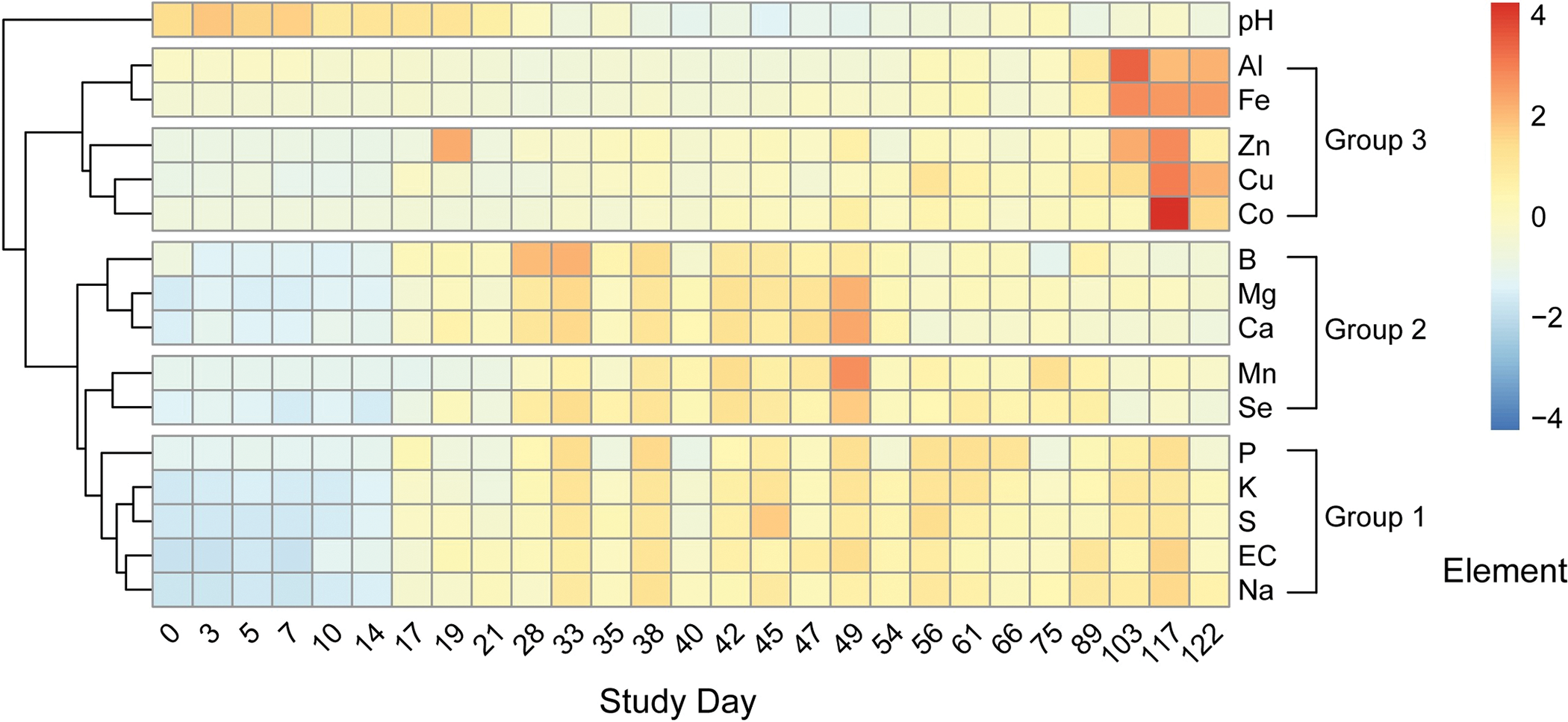
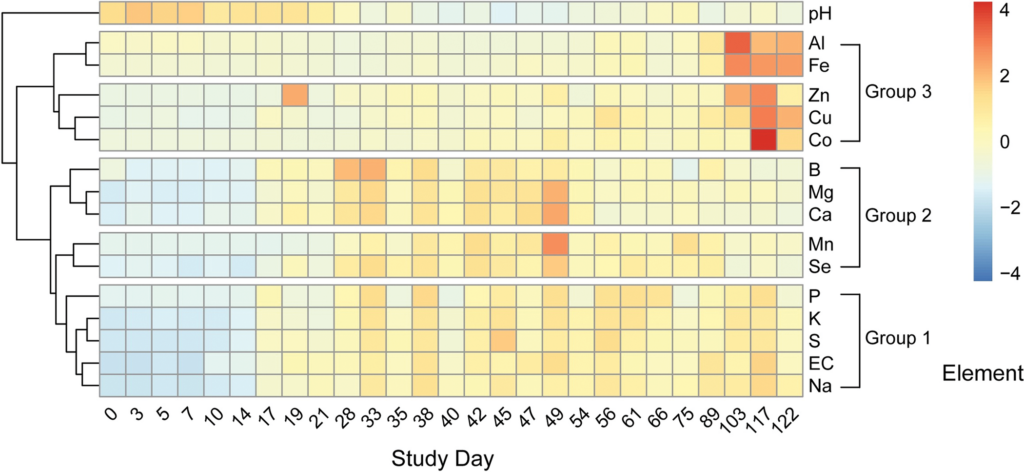
Fig 3. Heatmap showing scaled changes in elemental concentrations by study day. See the complete article at Plos One

Interdisciplinary Team Studies Decomposition Effects on Soil

Fig 3. Heatmap showing scaled changes in elemental concentrations by study day. See the complete article at Plos One

“Forensic researchers at UT Knoxville’s famous Anthropological Research Facility, popularly known as the ‘Body Farm,’ have made headlines for decades in their discoveries of what happens to human bodies after death. Now, a multidisciplinary team—engineers, soil scientists, and biologists—digs in with them for a deeper look at what happens to the soil underneath a decomposing body.

Their study, Soil Elemental Changes During Human Decomposition, published in June 2023 by PLOS One, could benefit investigators searching for human remains in remote or hard-to access-vegetated areas.”

Read more of the article by Randall Brown, rbrown73@utk.edu


Posted: September 11, 2023Filed Under: Biological News, News

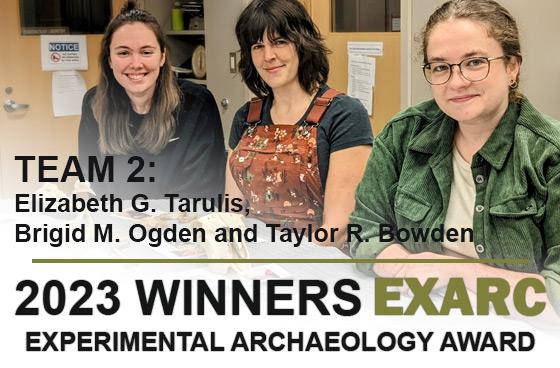
a picture of the EXARC 2023 winners

2023 EXARC Experimental Archaeology Awardees

Elizabeth Tarulis, Brigid Ogden, & Taylor Bowden won one of two 2023 EXARC Experimental Archaeology Awards with the project “Skin Deep: Determining the Efficacy of ZooMS Methods on Processed Intestinal Artifacts.”

Read more about their project here: https://exarc.net/history/winners-2023-exarc-experimental-archaeology-award-team-2


Posted: September 5, 2023Filed Under: Archaeological News, News

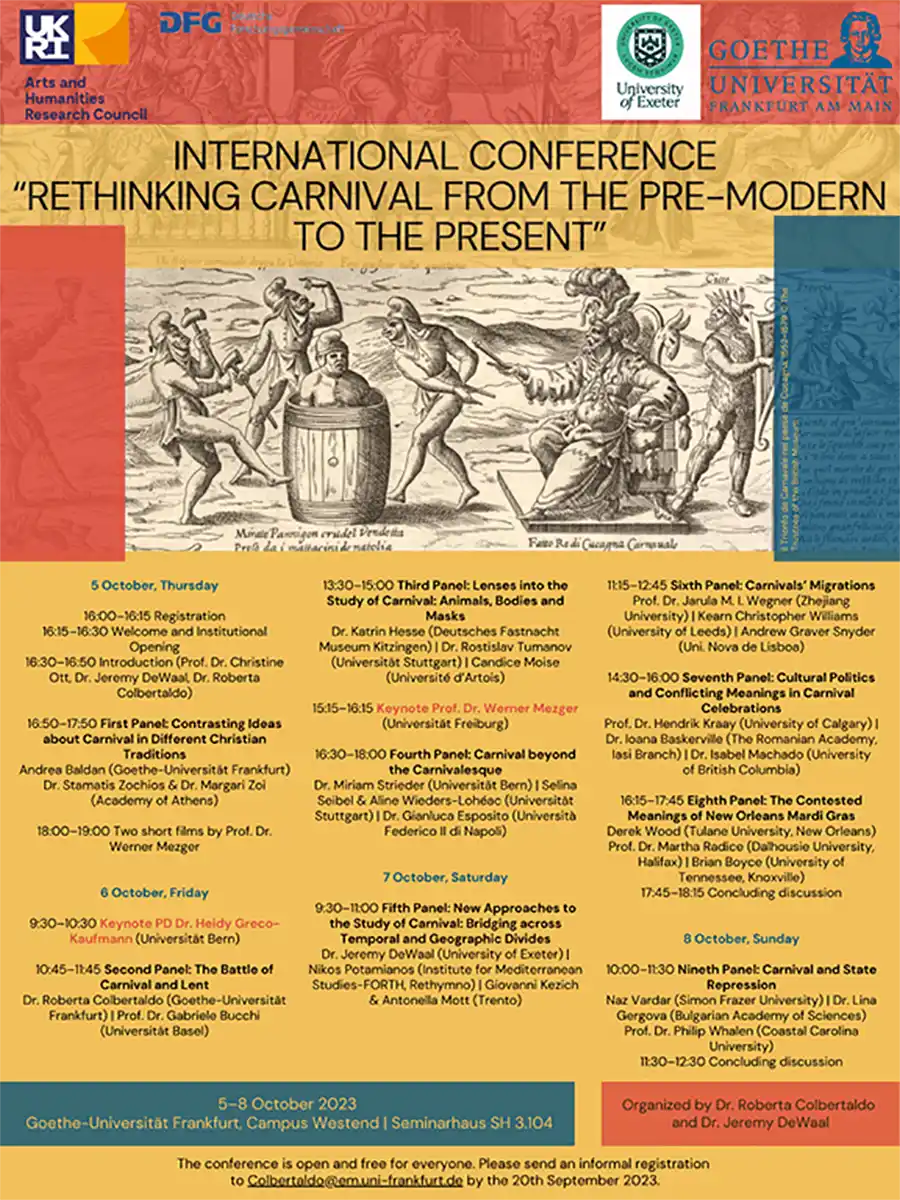
Event poster: Rethinking Carnival from the Pre-Modern to the Present

Brian Boyce, MA: “Congo Square: The Meeting Place”

Brian Boyce, MA: “Congo Square: The Meeting Place”

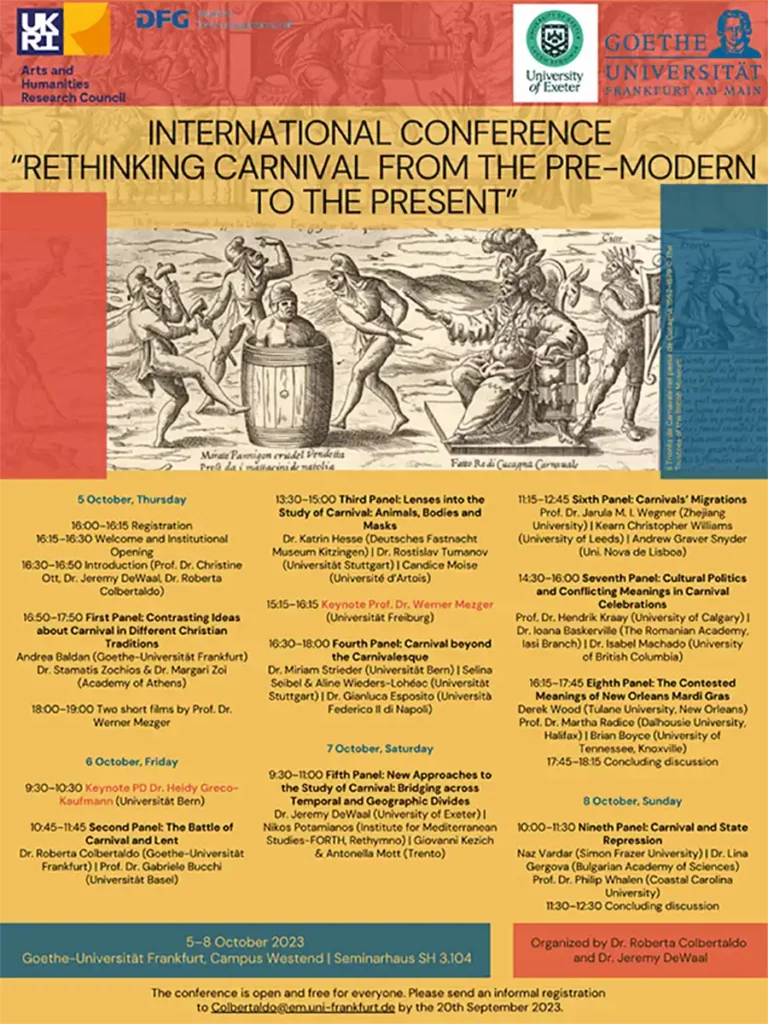
Event poster: Rethinking Carnival from the Pre-Modern to the Present
Event Poster: “Rethinking Carnival from the Pre-Modern to the Present”

Brian Boyce, PhD student, will be presenting “Congo Square: The Meeting Place” at the International Conference “Rethinking Carnival from the Pre-Modern to the Present” in Frankfurt, Germany on October 7, 2023. Good luck, Brian!


Posted: August 26, 2023Filed Under: News

Dr. Narges Bajoghli

Dr. Narges Bajoghli: Unsilenced: Women’s Protests in Iran

Dr. Narges Bajoghli
Dr. Narges Bajoghli

The streets of Iran have been filled with chants of “Women! Life! Freedom!” as the nation experiences a vast social uprising against its political leadership led by women and girls.

Sparked by the September 16th killing of a 22-year-old woman, Mahsa Jina Amini, while in the custody of Iran’s “morality police” for failing to comply with Islamic dress codes, the movement has at its heart an insistence that there is no such thing as political freedom without bodily autonomy. It has spread throughout Iran—prompting a government crackdown that has killed hundreds—and given rise to new visions for political futures both in Iran and globally.

Dr. Narges Bajoghli, an award-winning political anthropologist, writer, and professor whose past research on Iran has given her unprecedented access to those in power as well as to the social movements struggling against the state, shares her insights into what these uprisings mean for Iran and the rest of the world.

Dr. Bajoghli discusses the women and girls at the forefront of this movement,  their refusal to comply with laws and systems that oppress them, and the prospects of these struggles to bring about substantive change despite government efforts to squelch dissent.

Dr. Narges Bajoghli is a political anthropologist, media anthropologist, and documentary filmmaker, whose research lies at the intersections of media, power, and resistance in Iran and the United States. nargesbajoghli.com

A lecture by Dr. Narges Bajoghli, Assistant Professor of Middle East Studies at Johns Hopkins University’s School of Advanced International Studies, co-director of the school’s Rethinking Iran Initiative, and author of Iran Reframed: Anxieties of Power in the Islamic Republic.


Posted: April 6, 2023Filed Under: Cultural News, DDHR-News, News

  • « Previous Page
  • 1
  • 2
  • 3
  • 4
  • 5
  • …
  • 7
  • Next Page »

Recent Posts

  • Welcome to our new Department Head!
  • Why are our fingers different lengths?
  • Alex Bentley in ‘The Conversation:’ Will AI accelerate or undermine the way humans have always innovated?
  • Scholar Spotlight: Yangseung Jeong
  • Steven Lautzenheiser in ‘The Conversation:’ Why can’t I wiggle my toes one at a time, like my fingers?

Recent Comments

No comments to show.

Exploring the human experience.

Careers

Newsletter

Giving

Anthropology

College of Arts and Sciences

502 Strong Hall
1621 Cumberland Avenue
Knoxville, TN 37996-1525
+1 (865) 974-4408
anthropology@utk.edu


Facebook Icon    X Icon    Instagram Icon    YouTube Icon

The University of Tennessee, Knoxville
Knoxville, Tennessee 37996
865-974-1000

The flagship campus of the University of Tennessee System and partner in the Tennessee Transfer Pathway.

ADA Privacy Safety Title IX