• Request Info
  • Visit
  • Apply
  • Give
  • Request Info
  • Visit
  • Apply
  • Give

Search

  • A-Z Index
  • Map

Anthropology

  • About
    • Governance
    • Giving
    • Request More Info
    • Forensic Anthropology Center
  • People
    • Faculty
    • Affiliated Faculty
    • Staff
    • Graduate Students
    • Emeritus
    • In Memoriam
  • Areas of Study
    • Anthropological Archaeology
    • Biological Anthropology
    • Cultural Anthropology
    • Disasters, Displacement, & Human Rights
  • Undergraduate
    • Majors & Minors
    • Advising
    • Careers
    • Departmental Scholarships
    • Undergraduate Anthropology Association
    • Course Descriptions
    • Apply
  • Graduate
    • Degree Programs
    • Apply
    • DDHR Graduate Certificate
    • Graduate Handbook
    • Graduate Forms
    • Awards & Grants
    • Graduate Student Association
  • Opportunities
    • Lab Facilities
    • Field Schools
    • DDHR Working Paper Series
  • News & Events
    • Visiting Lecture Series
    • DDHR Webinar Series
    • Newsletters
    • Share Your News
topography background

News

News

Timothy Vollmer

Undergraduate Research Stars

Undergraduate Student Spotlights
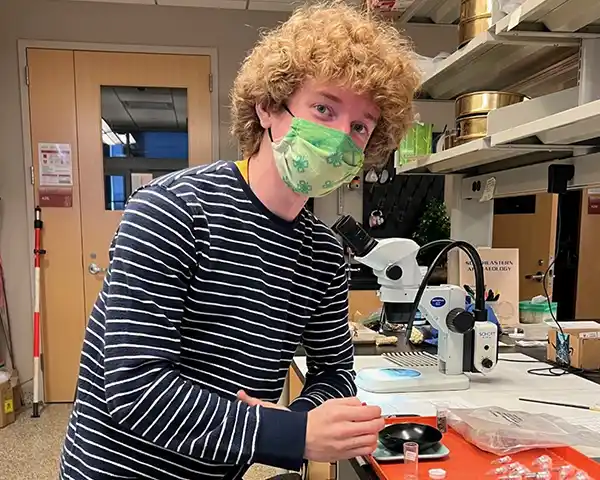
Timothy Vollmer

A recent initiative through the Office of Undergraduate Research & Fellowships (OUR&F) and the department will provide four anthropology undergraduate students with the opportunity to participate in research projects with faculty this spring. A fifth student received a research award from the OUR&F through a longstanding program. These awards provide financial support and training to the students while contributing to faculty research goals. Awardees will present on some aspect of their projects in August 2022 at the annual Discovery Day poster event, or in spring 2023 in the Exhibition of Undergraduate Research and Creative Achievement (EURēCA) Poster Competition.
 
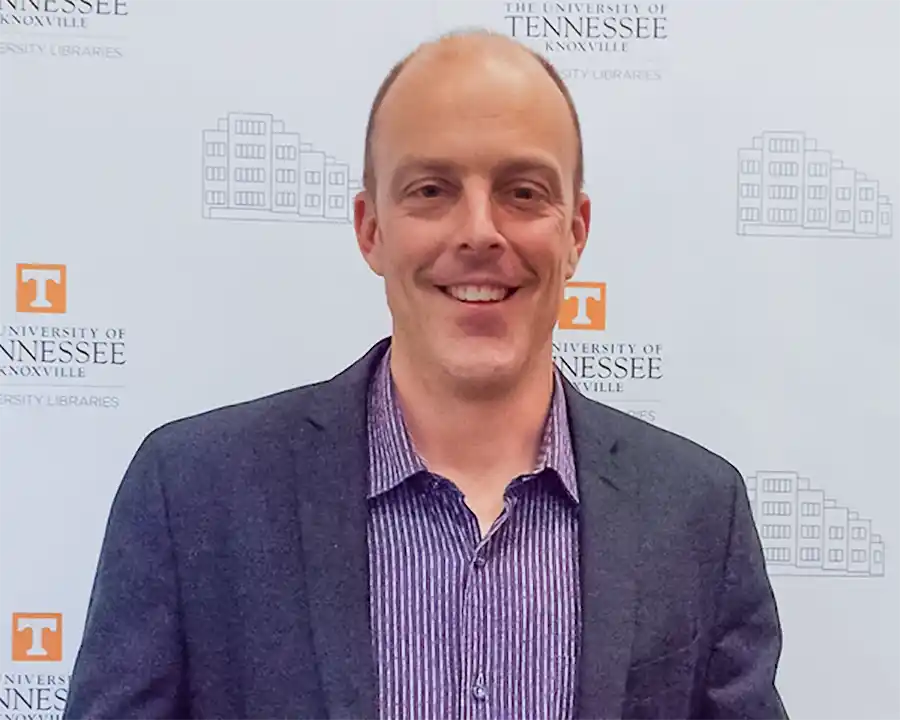
Timothy Vollmer is working with Associate Professor Kandace Hollenbach to process, analyze, and report on samples of plant remains recently collected from the Boathouse Pond Site, a Woodland to early colonial Indigenous village site on Virginia’s Northern Neck. Professor Barbara Heath and graduate students Rebecca Webster, Elizabeth Tarulis, and Bear Gibbs excavated shell midden deposits at the site in December, and uncovered additional features that they hope to investigate in summer 2022. Timothy will also prepare information based on the analysis to be shared with the Wicocomico Nation Heritage Association, descendants of the historic Sekakawon who lived at the site in the 17th century.
 
Tessa Carter and Luke Massongill join Research Associate Professor Giovanna Vidoli and Distinguished Lecturer Joanne Devlin to investigate whether sex estimations, based on specific size and shape attributes of human skeletal elements, are possible through the use of cremated human remains. The William M. Bass Donated Skeletal Collection contains more than 100 eligible donors for this investigation. Tessa and Luke are identifying and scoring the remains of skulls and pelvic features.
 
Sara Anderson is working with Distinguished Lecturer Lee Jantz and Forensic Anthropology Center Research Associate Mary Davis to consider breadth measurements of joint areas from donors in the William M. Bass Donated Skeletal Collection. The collection contains more than 1,600 eligible donors for this investigation. Sara is using previously-collected measurements, examined in light of antemortem records of height and weight of the donor, to determine if the joint measurements are correlated with body size, and whether body size impacts the use of these metrics to estimate the sex and ancestry of the deceased.

Axel Huichapa is conducting research with Professor Barbara Heath on violence at the Coan Hall site in the 17th and early 18th centuries in Northumberland County, Virginia, using artifacts as proxies. He is surveying artifact collections from four areas of the site and identifying, cataloguing, and analyzing artifacts associated with firearms and other weaponry if present. By looking at artifacts associated with discrete archaeological features, he can potentially discern areas where the use of weapons concentrated, and changes or continuities in particular types of weaponry across the period of study.
Posted: March 22, 2022Filed Under: Archaeological News, Biological News, Cultural News, News

Barbara Heath

A Bright Future Despite the Challenging Times

Message from the Department Head

Barbara Heath

It is a bright winter morning as I look from my desk in Strong Hall out past Hodges Library and McClung and Andy Holt Towers, towards the distant peaks and ridges of the Smoky Mountains. The spring semester is underway, with students and faculty passing in the hall as they head towards classrooms and labs. Because of the challenges of COVID-19, which continues its surge in East Tennessee, we’re beginning the semester cautiously, with flexible schedules, routines, and expectations, while still moving forward. Despite these challenging times, I’m excited and energized by all that the department is doing. We’re enjoying a period of record growth in undergraduate enrollment, with 375 primary majors, 13 secondary majors, and 27 minors. We’ve welcomed three new post-docs and a new undergraduate academic advisor to Strong Hall this year. You’ll have the opportunity to learn more about them in this issue of the newsletter. This spring, we’re busy conducting two searches for new tenure-line faculty in cultural and biological anthropology, and are in the midst of accepting a talented new cohort of graduate students for fall 2022. 

Members of the department continue to earn national and international accolades as authors, scholars, and educators. I’ve highlighted a selection of our accomplishments in the newsletter, and others appear in greater detail in the online version, available at the department’s website (anthropology.utk.edu). I’d like to draw attention to a few in this article.  

Last summer, ​Assistant Professor Raja Swamy published Building Back Better in India, Development, NGOs, and Artisanal Fishers after the 2004 Tsunami with the University of Alabama Press, the culmination of more than a decade of research in the South Indian state of Tamil Nadu’s Nagapattinam District. Associate Professor Ben Auerbach’s co-edited volume, The Evolutionary Biology of the Human Pelvis: An Integrative Approach, received an Outstanding Academic Title Award from Choice Reviews, which is the publishing house for the Association of College and Research Libraries. Post-doctoral Teaching Associate Sarah Page has been invited to participate in the University of Tennessee Humanities Center’s manuscript review program for her manuscript “Queer Perseverance: The Rise of LGBTQ Rights Activism in Jamaica.” The program provides authors with detailed feedback about their book manuscript and assists them in finding suitable publishers for their work.

Assistant Professor Anneke Janzen and Associate Professor Kendra Chritz of the University of Oregon recently received a multi-year grant from the National Science Foundation for their research on early pastoralists and fishers-hunter-gatherers in Kenya. Anneke, Kandi Hollenbach, and I are also working together, with graduate student Brigid Ogden and undergraduate Keri Burge, to study the impact of colonialism on the environment, animal husbandry, and agricultural practices in the colonial Chesapeake. Keri was named a Goldwater Scholar, a nationally-competitive scholarship for undergraduates working in STEM. 

PhD candidate Jenna Watson was awarded a Fulbright Fellowship, as well as a McClure Scholarship for International Travel. She is conducting dissertation research in Romania. 

The Forensic Anthropology Center hosted more than 200 participants from the law enforcement agencies and training programs in Mexico and the United States, teaching introductory and advanced courses in comparative osteology, recovery, forensic burial excavation, and the general field of forensic anthropology. 

I’ve highlighted just a portion of the great work that is going on in the department. I hope you have the opportunity to visit us over the coming year and learn more. Until then, I encourage you to keep in touch.

Sincerely,

Barbara Heath


Posted: March 22, 2022Filed Under: News

Graduate students do in the field research

In the Carrels

Graduate Student Spotlights

Graduate students do in the field research

Over the past year, graduate students in the anthropology department have pushed forward to conduct research, engage with fellow students, and collaborate with community partners while dealing with the continuing challenges of the COVID-19 pandemic. As in-person learning and professionalization resumed this fall, some aspects of graduate life have settled into a new kind of normal. Students resumed data collection and fieldwork that had been halted in early 2020 with added precautions of vaccinations, masks, and testing measures in place. They are once again presenting their work at conferences while also engaging in the “new normal” of virtual talks. Departmental social events that had been halted at the beginning of the pandemic have likewise resumed with cautions in place, including celebrations of the start of term and degree milestones. Congratulations to recent graduates Angela Mallard (PhD) and Sadie Counts, Matt Davis, Brigid Ogden, Sarah Schwing, Thomas Tran and Mary Ruth Wossum-Fisher (MA).

Ongoing graduate student research has included international fieldwork along with a wide range of US-based research. Jenna Watson, a PhD candidate, began a nine-month Fulbright research grant at the Francis I. Rainer Institute of Anthropology of the Romanian Academy in Bucharest, Romania. Her research focuses on skeletal stress, diet, and migration in human skeletal remains from three cemetery sites in northeastern Romania dating to the Late Medieval-Early Modern period (14th – 18th centuries CE), and is also supported by a McClure Scholarship for International Travel. 

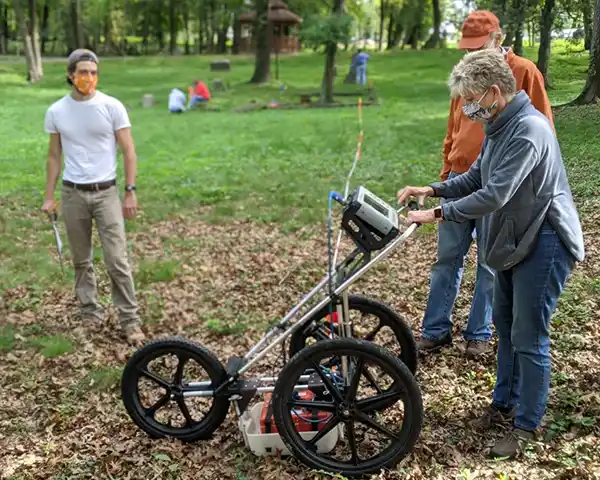
Graduate student Tatianna Griffin has been collaborating with community partners at the Good Citizens Cemetery, Knoxville’s oldest Black cemetery, while other graduate students and faculty have continued headstone and ground penetrating radar (GPR) documentation efforts at the Odd Fellows Cemetery, another important historically Black cemetery in Knoxville. Students in Kandi Hollenbach’s Public Heritage and Community Archaeology course spent fall semester conducting research at the Stonecipher–Kelly House at Frozen Head State Park, working with Tennessee State Parks staff to collect information that will help interpret the site to the public.
 
The Anthropology Graduate Student Association (AGSA) continues to advocate for graduate student needs both within the department and the broader graduate student community. For the past two years, AGSA has been operating a food pantry for undergraduate and graduate students in the anthropology department, providing instant meals, toiletries, pantry staples, snacks, and other items with no questions asked. The pantry is restocked monthly with funds from AGSA and the Undergraduate Anthropology Association (UAA), along with individual donations. This year, demand has skyrocketed due to the resumption of in-person learning. AGSA representatives also have been part of ongoing Graduate Student Senate efforts to increase teaching assistant and associate stipends to provide all graduate students with a living wage and to increase the availability of mental health services in the university health system. AGSA members have also volunteered their time by teaching community outreach courses to increase funding reserves that help offset student fees.
 
Graduate students are looking forward to continuing their research, teaching, outreach, and advocacy in the spring and summer, building on the successes and rising to the challenges that this year has brought.

Download PDF


Posted: March 22, 2022Filed Under: News

Dr. Graciela Cabana

Genetic Ancestry, Race, and National Belonging in Argentina

Graciela Cabana

Associate Professor Graciela Cabana leads an international team supported by the National Science Foundation on a multi-year project to explore how Argentinians think about the relationship between race and national belonging, and how their perceptions may be shaped or challenged by interpretations of ancestry based on genetic markers.

In the United States, genetic companies have been marketing ancestry tests since the early 2000s, which raises concerns from bioethicists and other social science scholars because test results are based on an incomplete and faulty interpretation of the data. Specifically, the comparative databases that these tests rely on are divided up into continental level groupings of genetic attributes. As a result, consumers are told that their ancestors came from Africa, Europe, Asia, or the Americas. These broad population categories can then misleadingly link biology (genetic categories) to existing ideas of race—at least North American ideas about race, even though race is a socially constructed category.  

The project team is interested in understanding what consumers outside of the United States take away from these tests. Does genetic testing support the assumption of racial categories, which anthropologists know are socially constructed, in the minds of consumers? Does genetic information invoke racialized notions of human difference? A second project objective is to understand long-term take-aways of not just individuals, but also groups. As more genetic ancestry studies are conducted on a national level, does the collective understanding of race and national belonging change

The collaborative project began at a moment when a tie between genetic ancestry tests and “race” was presumed but not yet tested, particularly outside of the United States. The team has been conducting their research in the city of Luján, in the Republic of Argentina. Argentina and the United States share important commonalities: both countries experienced similar immigration histories, and both underwent the phenomenon of intense nation-building at about the time that eugenic principles became part of philosophies and practices of nationalism and citizenship. For this reason, the results of this project could be used to reflect on these questions in the United States

The fieldwork component of the project took place from 2015 to 2019. Cabana and her colleagues conducted genetic ancestry analysis of 300 people, randomly selected from Luján’s historical downtown. They interviewed 80 individuals from this broader group multiple times over the course of the project to see if and how individuals’ attitudes changed when they received genetic ancestry results. To address the second project goal, the team put on two public exhibits, during which they interviewed city residents on their reactions to the collective results of the 300 participants. They have also been conducting participant observation and media tracking since 2015

The project is ongoing. Currently team members are analyzing surveys, interview transcripts, and investigator notes using qualitative analysis methods. Results will be reported over the next three years. Meanwhile, you can visit cei-ar.org to learn more about the project.


Posted: March 22, 2022Filed Under: Biological News, News

Tamar Shirinian

Documenting LGBTQ+ experiences

Tamar Shirinian

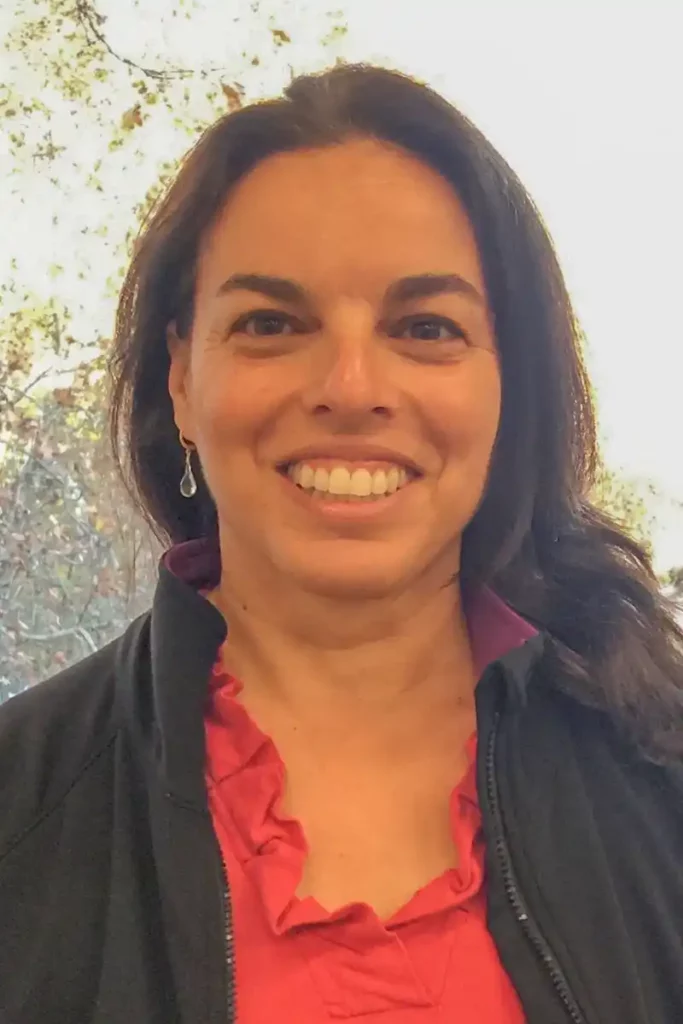
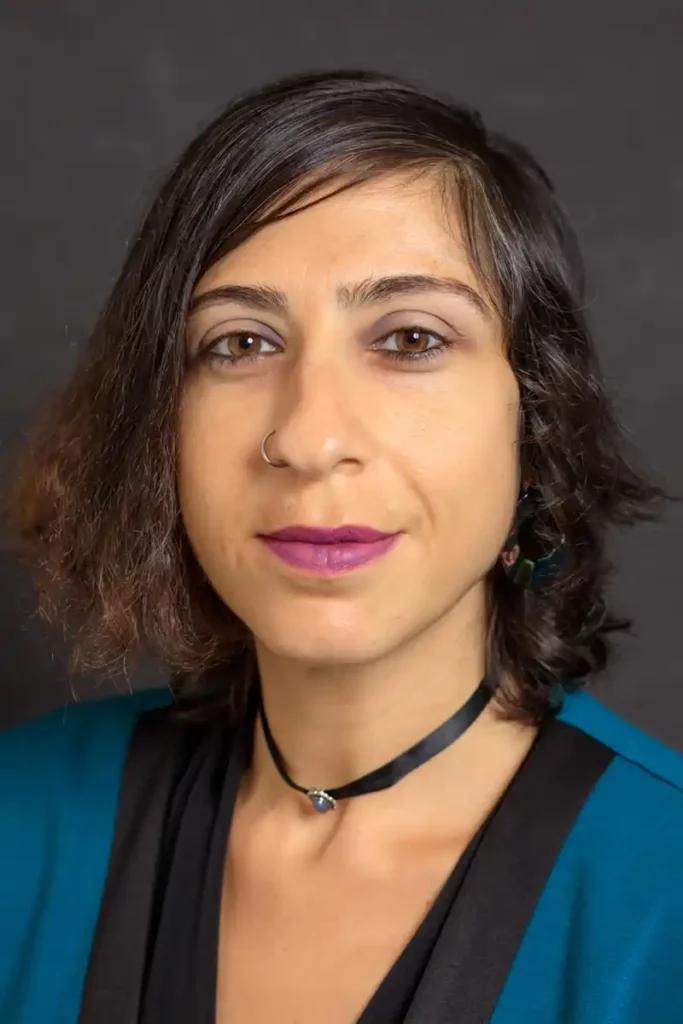
Assistant Professor Tamar Shirinian joined the department this fall after serving for two years as a post-doctoral teaching associate. She is working on a book manuscript, Survival of a Perverse Nation: Queer Transformations in Postsocialist Armenia, in which she critically analyzes the popular rhetoric of “perversion” in the post-Soviet Republic of Armenia. 

Following the end of state socialism, Armenia experienced profound political and economic changes that also had social implications  for kinship, gender, and sexuality. In the book, Shirinian argues that the “crisis” regarding homosexuality and feminism – both said to be sexually perverse and threatening the survival of the nation – is intimately tied to aggressive privatization measures, the concentration of public wealth into the hands of a few, and the rise of an oligarchy class who rules through authoritarian power. She traces the ways in which these latter changes are also frequently described as morally perverse. The book offers a queer theory that not only takes political economy seriously, but as its object of study.

In addition to her research on Armenia, Shirinian is collaborating with Professor Donna Braquet on the Voices Out Loud project, an archives and oral history project that chronicles the history of LGBTQ+ people in East Tennessee. They began a new collaboration in spring 2021 focusing on the experiences of LGBTQ+ people in the region during the COVID-19 outbreak. Having conducted 12 in-depth interviews thus far, and looking forward to holding focus groups as well, the team has made some interesting discoveries. While many queer folks in East Tennessee had extreme financial and health difficulties, some also took the time as an opportunity to make life-altering changes, such as having children or transitioning gender without daily public scrutiny or surveillance. Some also felt that their normalized levels of angst had decreased as a result of not having to be in public and thus not having to explain themselves, or deal with microaggressions about their appearance, and fear for their safety. Shirinian is working out some of these discoveries through a framework that considers the space of lock-down and quarantine as “sanctuary,” focusing in on the question of what it means when a space of crisis becomes a comfort.


Posted: March 22, 2022Filed Under: Cultural News, News

Alex Bentley

How Learning Environments Shape People’s Response to COVID-19

Alex Bentley

Professor Alex Bentley teamed up with Professor Nina Fefferman in the Department of Ecology and Evolutionary Biology, former anthropology post-doctoral researcher Simon Carrignon, and NIMBioS postdoctoral researcher Matthew Silk to study how people process information about infection rates, government mandates, and the social norms of their communities in choosing how to manage risk during a pandemic. 

In order for people to recognize the need to change their behavior through measures such as mask-wearing and social distancing, they need to believe that the risk of not changing is significantly higher than the social costs of adopting the new behavior. Paradoxically, the most successful efforts to change people’s behaviors can have the unintended consequence of creating a false sense of security, which leads them to abandon protective measures and revert back to riskier behaviors

Using probabilistic modeling, the research team explored these relationships in order to provide guidance on how best to “flatten the curve.” They discovered that people’s reluctance to stop using protective measures is more important than the ease of adopting these changes. In addition, people need to be able to see and understand risks in order to make meaningful changes in behavior. Factors such as low infection rates, and people who are infected but asymptomatic or hospitalized, can tend to make the risk less visible to people in their daily lives. As two other 2021 papers by Alex and former UT researchers Joshua Borycz (now at Vanderbilt) and Damian Ruck (now at a start-up company in London) found, there are identifiable cultural and socio-economic patterns in how people—and governments— have responded to COVID-19 risks to date

Taken together these findings could make the geographic and societal effects of a future pandemic more predictable. This latest study, published online in January in PLoS One, demonstrates the importance of considering social and behavioral, in addition to biological, aspects of pandemics. It will guide policymakers as they craft more effective communication strategies to address future outbreaks

Bentley was also recently interviewed by Chrissy Keuper on WUOT about his data model that identifies key variables that can be used to predict the severity of COVID-19 at the county level in the United States. You can listen to the interview at tiny.utk.edu/wuot-bentley. 


Posted: March 22, 2022Filed Under: Biological News, News

Alex Bentley

Bentley Part of Team Studying Russian Disinformation Campaigns

Alex Bentley

Social media is one of the main outlets where you can find people from all over the world discussing politics and sharing information. Sometimes, the information that is spread is not always accurate and can be used to sway the public’s opinion. A new study on social media content in Belarus outlines a general strategy of disinformation that appears to have occurred before and after Belarus’s presidential election in August 2020. 

Alex Bentley, professor of anthropology at the University of Tennessee, Knoxville, is part of a team who closely followed Russian-language Twitter content and disinformation campaigns from Belarus. 

 “The details of our results are beginning to outline the general strategy of disinformation campaigns that may play out over many months, opportunistically incorporating the inevitable events that occur along the way,” said Bentley.

 This research is one of the first studies regarding Russian-language social media. The republic of Belarus was formerly part of the Soviet Union. In the past, the government in the Soviet Republic held complete control over mass media and their citizens were closely censored. Disinformation campaigns are propaganda used in political events that purposely spreads false information in order to deceive the public. 

This research contributes to the team’s field of study by utilizing different research methods. The team performs several novel analyses, combining computational social science and in-depth qualitative analysis methods. The results from this study have already begun to identify the general outline of disinformation campaigns.

 The article, “Event-driven Dynamics of Social Media: A case study in Belarus,” was published March 1, 2022, in Springer Nature Social Sciences. 

 “This project was made possible by a unique, interdisciplinary collaboration under a MINERVA grant, led by Catherine Luther, professor and head of the UT School of Journalism and Electronic Media, and a half dozen UT co-authors across colleges” Bentley said. 

 Co-authors include Natalie M. Rice, Benjamin D. Horne, Catherine A. Luther, Joshua Borycz, Suzie L. Allard, Damian J. Ruck, Michael Fitzgerald, Oleg Manaev, Brandon C. Prins, and Alexander Bentley (University of Tennessee, Knoxville).

 Also included from other universities are Joshua Borycz (Vanderbilt University), Damian Ruck (Adavai, Ltd., UK), and Maureen Taylor (U. of Technology Sydney, Australia). 

—Story by Sarah Berry


Posted: March 2, 2022Filed Under: DDHR-News, News

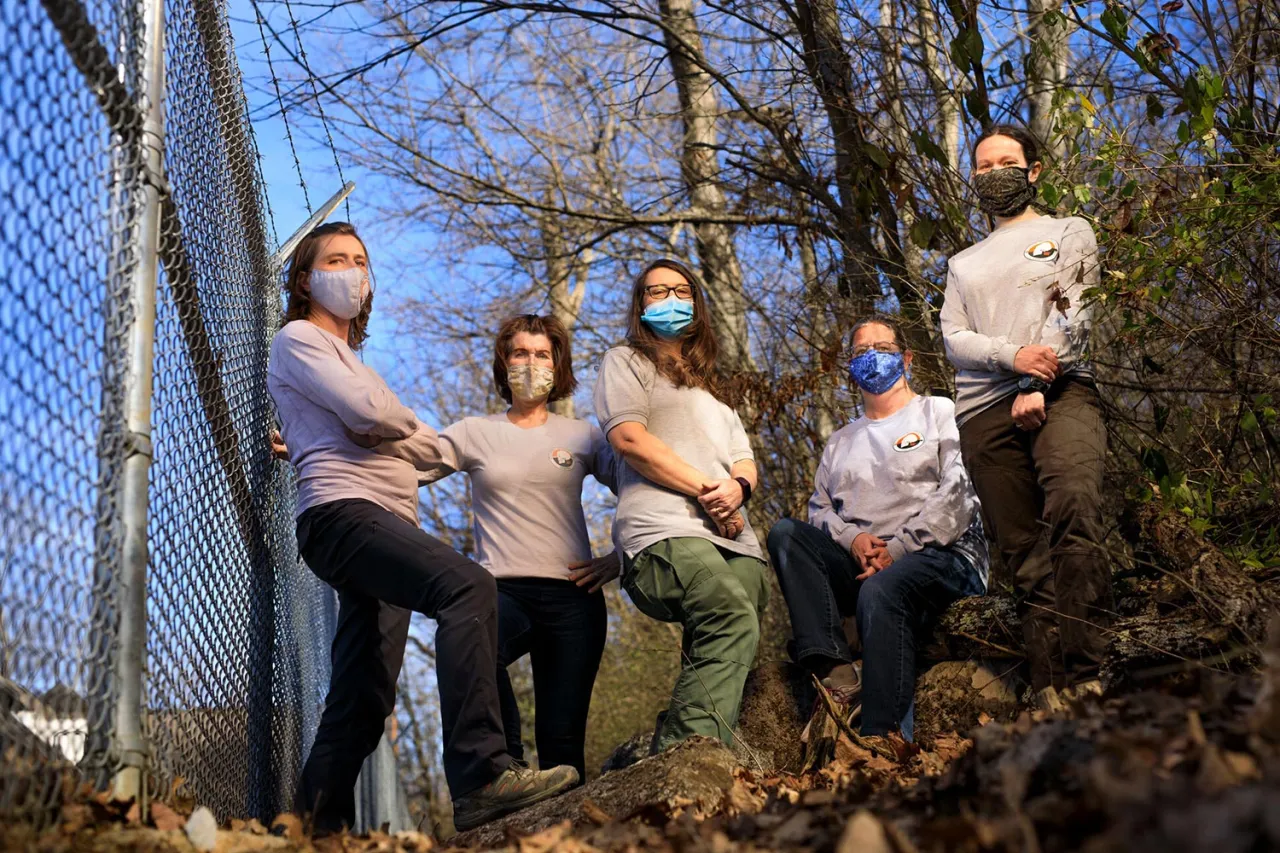
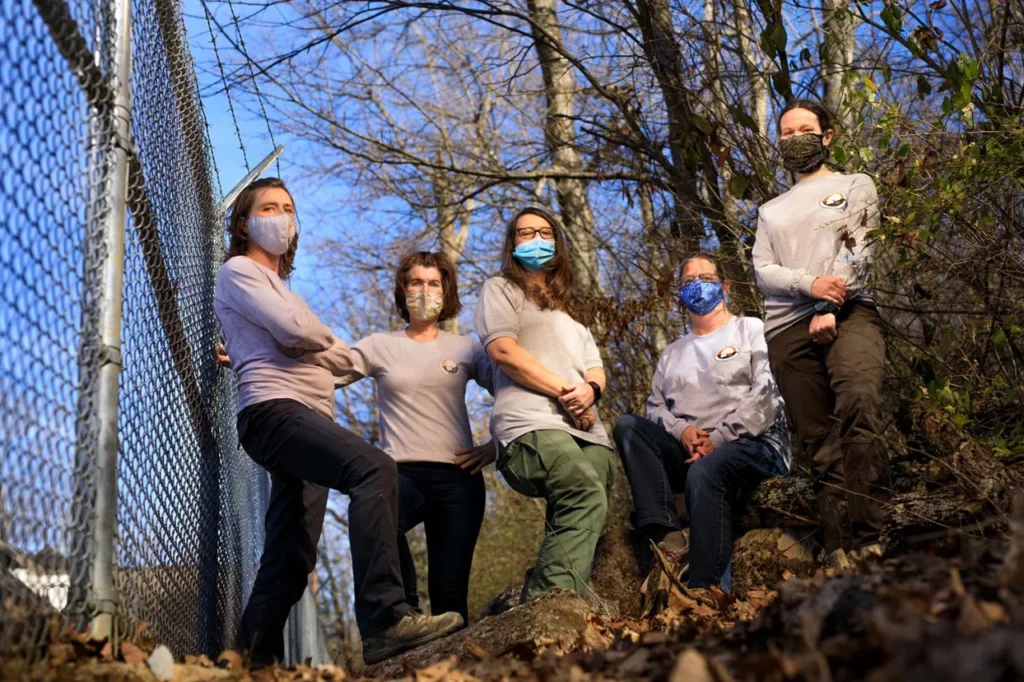
A group photo of FAC anthropologists Giovanna Vidoli, Joanne Devlin, Dawnie Steadman Lee Jantz, and Mary Davis

Five Women Lead Renowned Forensic Anthropology Center

Originally published on UTK News.

A group photo of FAC anthropologists Giovanna Vidoli, Joanne Devlin, Dawnie Steadman Lee Jantz, and Mary Davis

Every day, the red phone rings at the University of Tennessee, Knoxville’s Forensic Anthropology Center. Either Dawnie Steadman or Mary Davis, who share phone duties, answers. On the other end, a funeral home director, a police officer, or a family member shares with them some version of the same message: There’s a body here for you.

“That’s our death notification,” said Steadman, the FAC’s director. “That starts the process.”

The bodies belong to donors—one of the more than 5,000 people who have arranged to give their body for scientific study after death. Preregistration and infectious disease status are checked first. Then the FAC places calls to doctors and hospitals to request medical records. If everything checks out, a two-person team of graduate students drives to retrieve donors within 100 miles of Knoxville.

Donors are not the only bodies the FAC receives at its facility in the William M. Bass Forensic Anthropology Building on UT’s campus. At any given time, upwards of 40 forensic cases are handled for law enforcement by the FAC, which has contracts with the medical examiner’s offices of Kentucky and West Virginia and has consulted on cases as far away as the United Kingdom. In 2018, two of the center’s associate directors, Lee Meadows Jantz and Joanne Devlin, helped identify the remains of a 20-year-old Indiana woman who had been missing for more than 30 years. Not long afterward, a skeleton that had been at the facility since the 1980s was identified as that of a 15-year-old girl from New Hampshire who had run away from home and been murdered.

Dawnie Steadman

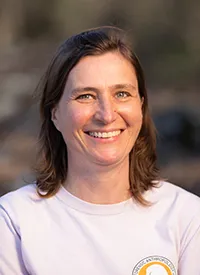
“When you wake up in the morning, you have your little to-do list,” said Davis, FAC assistant director and research associate. “You might as well throw that list out the window.”

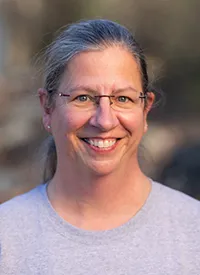
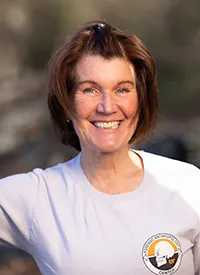
The FAC is led by a team of five forensic anthropologists: Steadman, Davis, Jantz, Devlin, and Giovanna Vidoli.

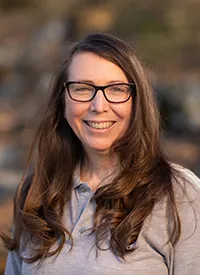
“There’s this idea some people have that too many women can’t work well together,” said Vidoli, also an associate director for the FAC. “We’re all alphas in some way, which is exactly why we work well together. We trust each other to do the job.”

The FAC conducts national and international forensic investigations, trains law enforcement officers at every level in human remains identification, and oversees the Anthropology Research Facility—commonly known as the Body Farm—with as many as 200 decomposing bodies or skeletal remains. The center’s groundbreaking research on what happens to the human body after death has helped solve previously unsolvable crimes. And on top of it all the women who lead the FAC provide undergraduate and graduate students with invaluable hands-on experience in forensic anthropology, preparing them for the field in ways that few other university programs can.

The Body Farm and Beyond

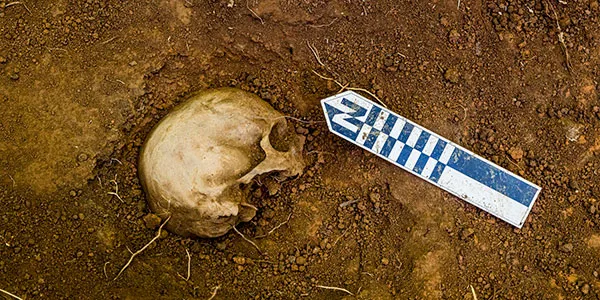
FAC Burial Excavation

On the outskirts of campus in the woods beside UT Medical Center, Professor Bill Bass (now professor emeritus) and his graduate students in 1981 built the world’s first outdoor research facility to study what happens to human bodies after death. Six years after the outdoor facility was created, the FAC was established within the Department of Anthropology. Since then, it has made headlines, helping to inspire a long list of books and television shows like CSI: Crime Scene Investigation and Bones. At one point, nearly two-thirds of board-certified forensic anthropologists in the United States were trained by Bass.

Around the time the FAC was emerging as a leader in forensic science, Steadman was an undergraduate at the University of Arizona. Originally a premed major, she had attended a lecture by Walter Birkby, a nationally recognized forensic anthropologist, and switched academic tracks. Birkby spoke about the techniques he used to identify victims after a tragic plane crash in Denver, Colorado. Thanks to his work, the families of the dead were not left wondering what happened to their loved ones. Their remains did not end up in indistinguishable common graves but were returned to their families.

“It’s not closure—but even if it’s the worst answer a person could possibly receive, families want to know what happened to their loved ones,” Steadman said.

Over the past three decades, Steadman has investigated mass graves in Argentina, Spain, and Uganda while working as a professor in Iowa and upstate New York and then at UT, where in 2011 she was named the FAC’s third director following the retirement of Richard Jantz.

Two of the five women who make up the FAC’s core team welcomed Steadman when she arrived. Jantz (’87, ’90, ’96) earned her bachelor’s, master’s, and doctoral degrees in anthropology at UT and has been with the FAC since it was established. “Lee is the living embodiment of our history,” Steadman said. Joanne Devlin (’96, ’02), director of undergraduate studies for anthropology, earned her master’s and doctoral degrees at UT and joined the faculty in 2004.

Giovanna Vidoli

Vidoli arrived in 2013. A former graduate student of Steadman’s, she had run field schools in Colombia and worked mass casualty sites in Guatemala and Thailand and at the World Trade Center. Davis, the final member of the team, started the day before her birthday in 2017, leaving her job as a death investigation specialist for the Georgia Bureau of Investigation to join the FAC.

“I had never even been on campus before,” Davis said. “Everyone in the field knows about the research coming out of UT. I couldn’t pass up the opportunity to work here.”

Over the years, each member of the team has carved out their own lane in order to manage the daily workload of running the country’s leading university forensic anthropology center. Steadman directs research and communications with partners like the National Institute of Justice. Vidoli organizes courses and trainings for law enforcement and oversees quality assurance. Jantz works cold cases and oversees the Bass Curated Skeletal Collection, which consists of 1,800 skeletons and is stored in Strong Hall. Devlin is the generalist, doing, in her words, “whatever needs doing.”

“A day at the FAC is like juggling all these different things above you in the air,” Devlin said. “The most important thing is the one that’s about to fall and hit you in the head.”

The FAC’s yearly trainings have attracted an international group of forensic anthropology students, law enforcement personnel, and scientists to refine a range of skills including excavating burials, distinguishing bones, and estimating time since death. Since 1999 the FAC has provided yearly training for the FBI’s Evidence Response Team. Later this year, a team of Mexican forensic scientists working to uncover mass graves from cartel murders will be in Knoxville to learn from the FAC team.

Lee Jantz
Lee Jantz

But the FAC may be best known for its expansive body donation program, which surged with the crime scene television shows of the 2000s. By 2009, the FAC was receiving more than 120 donors a year.

Davis oversees the front end of the program—the first contact for many families and individuals donating bodies. A significant portion of her job is spent answering their questions.

“They may be scared or curious or they just need someone to talk to,” Davis said. “If somebody is giving us the gift of their body, the least I can do is give a half an hour, 45 minutes of my time.”

Once bodies arrive at the FAC and are placed outside, they may take weeks to months to fully decompose. After the remains are brought back inside and stored in the skeletal collection, Jantz is responsible for communications with families of donors. On the day of a scheduled visit, she prints out a history of the trainings and research the donor supported and brings it to the family viewing the remains.

“One gentleman came in, and we have both of his parents,” Jantz said. “The mother had died from cancer and his father in a house fire. He felt like he had never had a chance to say goodbye.” Jantz was able to provide that for him.

There are also out-of-the-ordinary cases.

“I had one family visit, children to great-grandchildren, and they had made T-shirts for the occasion,” Jantz said. “They were ecstatic. They wanted me to lay out the skeleton, to touch it.” Before leaving, they purchased all kinds of merchandise the FAC sells to support its research.

A Gender Shift in Forensic Anthropology

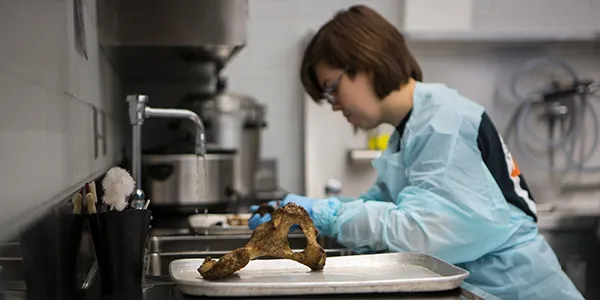
An FAC student cleaning bones

Compared to the 1980s, when Steadman and Jantz were in school, forensic anthropology has become an increasingly woman-led field. Of the nearly 40 graduate students currently working with the FAC, only three are men. The women of the FAC all have their hypotheses for why.

“It is possible women continue to be implicitly or explicitly turned away from the hard sciences,” Steadman said. Before switching majors as an undergraduate, Steadman had been boastfully told by a chemistry professor that he had never before given a woman a passing grade. “It was the only C I ever got, but I passed.”

“On the flip side, we know the women in our program are drawn to social issues like criminal justice and human rights,” Steadman said. “This is a field where you can be science-minded and also pursue justice for families. You can provide answers to them.”

Mary Davis

In 2019 the department officially established a forensic concentration within the anthropology major. About a quarter of the department’s first-year students are enrolled in the concentration. Undergraduates can take courses in skeletal processing, skeletal collections and curation, and anthropological field recovery as well as a forensic trainee course that allows them to work side by side with researchers.

“When you leave here with a BA, you have had more hands-on opportunities at the outdoor research facility than people in grad programs at other institutions,” Devlin said. As body farms have expanded nationwide to universities in North Carolina, Texas, Illinois, Colorado, Florida, and Michigan, many facilities end up employing alumni trained by the FAC. Texas State, for example, has at least four former UT students.

While solved forensic cases and body donations may grab more public attention, the research coming out of the FAC has proven just as valuable, particularly for government agencies. The center will soon complete a project for the National Institute of Justice looking at the effect drugs have on human decomposition, including how and which insects feed on the body when different drugs are present. In 2019 Vidoli and Devlin received a grant to create a protocol for correctly identifying blunt-force trauma occurring before death, even after severe burning. The research is the first in which complete human bodies were impacted by blunt force. The FAC collaborated with undergraduate students from UT’s Tickle College of Engineering who designed and developed a device to inflict the trauma.

Joanne Devlin

Even with a team of five, days at the FAC are long. The red phone rings two or three times a shift. Donors arrive week after week. Every semester, research is produced and investigations are closed. To keep the work moving takes trusting every member of the team to do their part. For Steadman, Davis, Jantz, Devlin, and Vidoli, that may mean literally being willing to put hands, knees, and bellies in the dirt beside each other—something they’ve proven over the years to be more than happy to do.

“In everything I suggest, whether it’s crazy or not, I know these women will support me, encourage me, and challenge me to be better,” said Devlin. “Maybe you can call that our approach.”

__

CONTACT:

Amanda Womac (865-974-2992, awomac1@utk.edu)


Posted: March 26, 2021Filed Under: Biological News, News

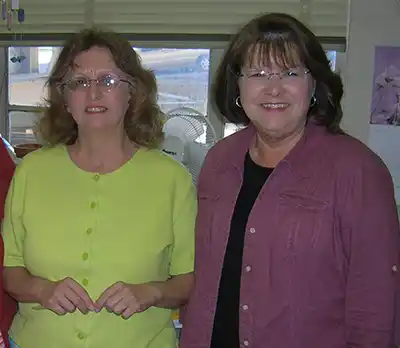
Charlene Weaver and Pam Poe

Spotlight on Staff

Charlene Weaver and Pam Poe

After a nearly 40-year career at UT, Pam Poe retired in January 2020. She began work in the basement of Neyland Stadium as one of five administrative staff and remembers Professor Bill Bass, the department head for many years, telling her on her first day “We’re moving to Strong Hall.” That prediction took 36 years to become reality, during which time she was promoted into each administrative position in anthropology until becoming business manager, the linchpin of the department. During her career, she was central to the growth of the department, working with faculty and staff to transform the Anthropology Research Facility from a shed in the woods behind UT Medical Center into an internationally recognized center for forensic research; supporting faculty in teaching, grant writing, and budgeting; mentoring staff; and helping generations of undergraduate and graduate students. She retired just a month before the pandemic began to spread and admits that this year has not been what she envisioned. Still, she is enjoying the time she spends with her grandchildren and the flexibility that her new schedule allows. One of her favorite parts of her job was getting to know faculty and students and watching their children grow up. She values the many friendships that she formed over the years.

When Poe joined the department in 1981, Charlene Weaver had already been a staff member for more than three years. She left UT in 1987 to raise her family. When her youngest son started kindergarten in 1994, she returned to the department and resumed working closely with faculty on grants and contracts. Last fall, in anticipation of Poe’s retirement, Weaver was hired as the new business manager. COVID-19 has affected all aspects of her job this year and has required flexibility and creativity in learning new skills and transforming her work habits and schedule to meet the challenges of the pandemic. Like Poe, she is crucial to the success and the spirit of the department. We are glad to welcome Weaver into her new role. She looks forward to a return to normalcy, when she can spend her days within the bustle of students, faculty, and staff, and see alumni and friends of the department who she has come to know over her many years in anthropology.

Chris Maguire

Chris Maguire moved from upstate New York to Knoxville in late 2016 with her husband for a change and the great weather—no snow! She started working for UT in the Department of Public Health in February of 2017 and moved to the anthropology department in March 2020 as an accounting coordinator. She works closely with the faculty and graduate students in developing and submitting grant applications and in grant administration. She is currently working on her BIS online at UTM with just a few classes to go, so is both a full-time staff member and a part time student at the University of Tennessee.


Posted: January 21, 2021Filed Under: News

Raja Swamy

DDHR Program Working Papers Series

Raja Swamy

The Disasters, Displacement, and Human Rights (DDHR) Program is now accepting submissions to a new working papers series. Envisioned primarily as a vehicle for UT graduate students and faculty to share their academic work as it is being prepared for final publication, the series is the brainchild of Raja Swamy, assistant professor of anthropology. It will provide an opportunity for authors to receive feedback on their work and to disseminate it widely to an audience of scholars interested in themes relating to disasters, displacement, structural violence, human rights, and social justice.

When pandemic travel and gathering restrictions are lifted, the series will become an important part of the biennial DDHR conference, enabling conference attendees to develop papers for formal publication.

Visit the Submissions Portal


Posted: January 20, 2021Filed Under: DDHR-News, News, Uncategorized

  • « Previous Page
  • 1
  • …
  • 3
  • 4
  • 5
  • 6
  • Next Page »

Recent Posts

  • Steven Lautzenheiser in ‘The Conversation:’ Why can’t I wiggle my toes one at a time, like my fingers?
  • Student-Faculty Collaboration Refreshes McClung Exhibit
  • UT Scholar Part of Rare Etruscan Tomb Discovery
  • Good Research Neighbors: Measuring Innovation in Urban Areas
  • Scholar Spotlight: Ehsan Lor Afshar

Recent Comments

No comments to show.

Exploring the human experience.

Careers

Newsletter

Giving

Anthropology

College of Arts and Sciences

502 Strong Hall
1621 Cumberland Avenue
Knoxville, TN 37996-1525
+1 (865) 974-4408
anthropology@utk.edu


Facebook Icon    X Icon    Instagram Icon    YouTube Icon

The University of Tennessee, Knoxville
Knoxville, Tennessee 37996
865-974-1000

The flagship campus of the University of Tennessee System and partner in the Tennessee Transfer Pathway.

ADA Privacy Safety Title IX