• Request Info
  • Visit
  • Apply
  • Give
  • Request Info
  • Visit
  • Apply
  • Give

Search

  • A-Z Index
  • Map

Anthropology

  • About
    • Governance
    • Giving
    • Request More Info
    • Forensic Anthropology Center
  • People
    • Faculty
    • Affiliated Faculty
    • Staff
    • Graduate Students
    • Emeritus
    • In Memoriam
  • Areas of Study
    • Anthropological Archaeology
    • Biological Anthropology
    • Cultural Anthropology
    • Disasters, Displacement, & Human Rights
  • Undergraduate
    • Majors & Minors
    • Advising
    • Careers
    • Departmental Scholarships
    • Undergraduate Anthropology Association
    • Course Descriptions
    • Apply
  • Graduate
    • Degree Programs
    • Apply
    • DDHR Graduate Certificate
    • Graduate Handbook
    • Graduate Forms
    • Awards & Grants
    • Graduate Student Association
  • Opportunities
    • Lab Facilities
    • Field Schools
    • DDHR Working Paper Series
  • News & Events
    • Visiting Lecture Series
    • DDHR Webinar Series
    • Newsletters
    • Share Your News
topography background

News

Author: anthroweb
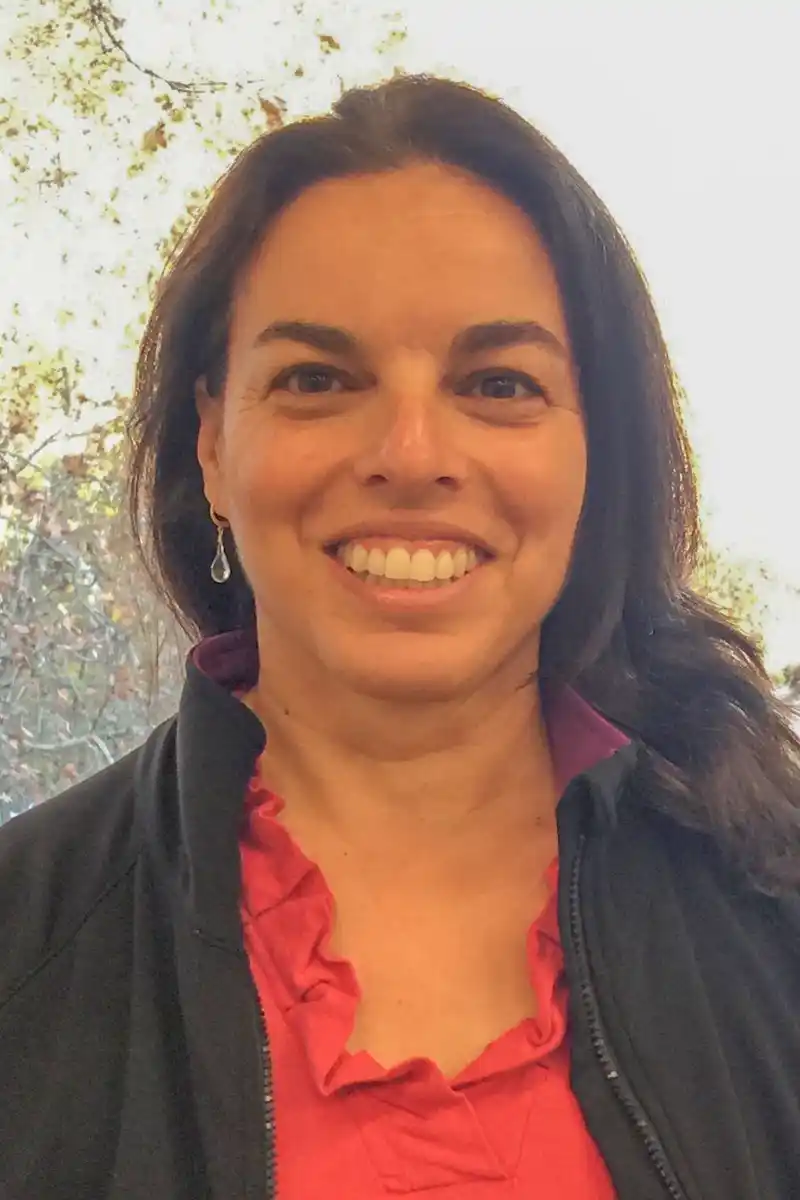
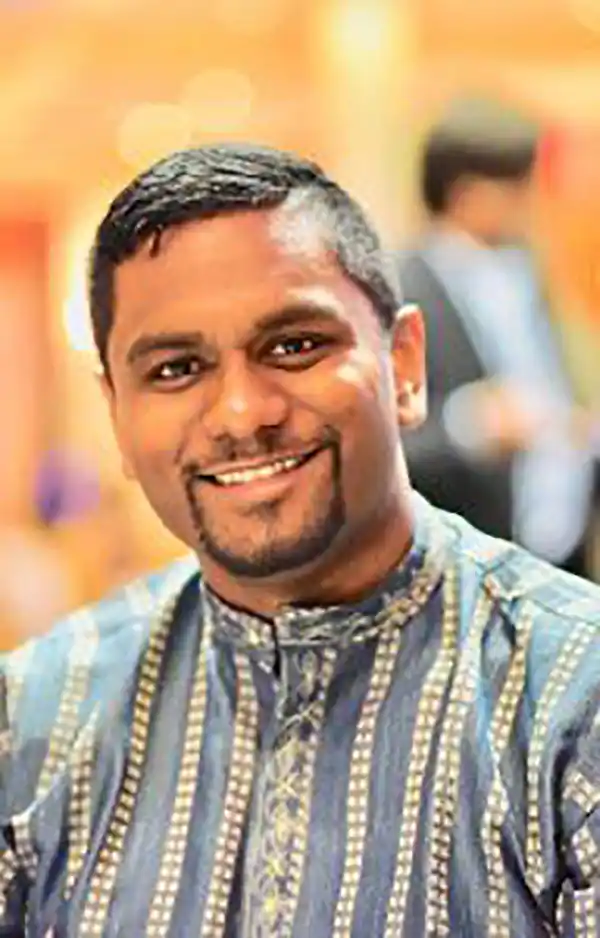
Leena Manimekalai

Caste in India: A Conversation with filmaker Leena Manimekalai about her film Maadathy – An Unfairy Tale

Leena Manimekalai
Leena-Manimekalai

The Disasters, Displacement and Human Rights (DDHR) Program in the Department of Anthropology at the University of Tennessee, Knoxville, presented a free screening of the award-winning Tamil language film (with English subtitles) Maadathy: An Unfairy Tale, followed by a virtual conversation with its director Leena Manimekalai, hosted by Dr. Prashanth Kuganathan and Dr. Raja Swamy. The event was sponsored by the Chancellors’ Council on Diversity and Inclusion and the UTK Department of Religious Studies.

Manimekalai is an acclaimed independent filmmaker and activist from Chennai, India. Her film Maadathy: An Unfairy Tale depicts the violence in rural Tamil Nadu against a caste group that is considered not only “untouchable” but also “unseeable.” This violence continues to plague much of India today. Caste and gender are two of India’s primary victim demographics of violence, particularly of a sexual nature. While gender-based violence is global, caste-based discrimination is restricted to South Asia and its diasporas. The category of caste is unlike any other in the United States. While similar to the concept of class, it is hereditary, sanctioned by religious text, and enforced by violence. This film and discussion with its director will provide attendees with a unique perspective into a system of contemporary apartheid that is not based on skin color or physical attributes but instead on more intangible categories of human classification.
Posted: April 11, 2022Filed Under: Cultural News, News

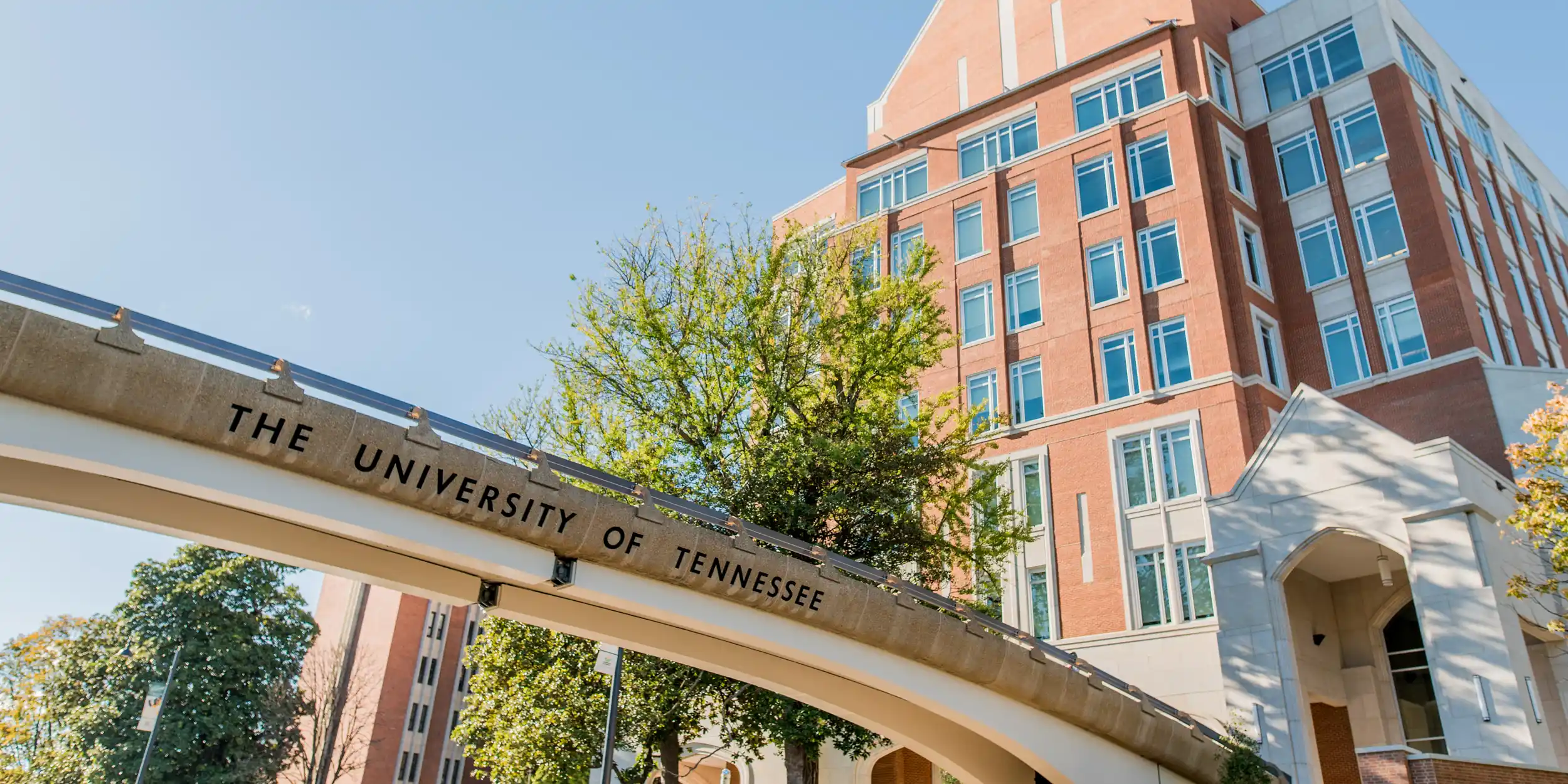
Bridge leading to Strong Hall on campus of the University of Tennessee

Staff News and Updates

Congratulations to Chris Maguire, who earned her BA in interdisciplinary science from UT Martin in December 2021. She completed her degree while working full time as the department’s accounting coordinator, a position she has occupied since spring 2020. 

John Glennan recently joined the College of Arts and Sciences advising team, moving into a new office in Strong Hall in January 2022. Glennan was born and raised in Indianapolis, Indiana. They earned their BA, with a double major in history and philosophy, at Beloit College before joining the history department at UT. They recently completed an MA in medieval history and worked with the Marco Institute for Medieval and Renaissance Studies. They have also worked in high school education and college admissions before working at UT. Glennan works with anthropology majors to help them with undergraduate requirements and course scheduling. We’re excited to welcome them to the department!


Posted: March 22, 2022Filed Under: News

Welcome New Post-Doctoral Staff

Prashanth Kuganathan

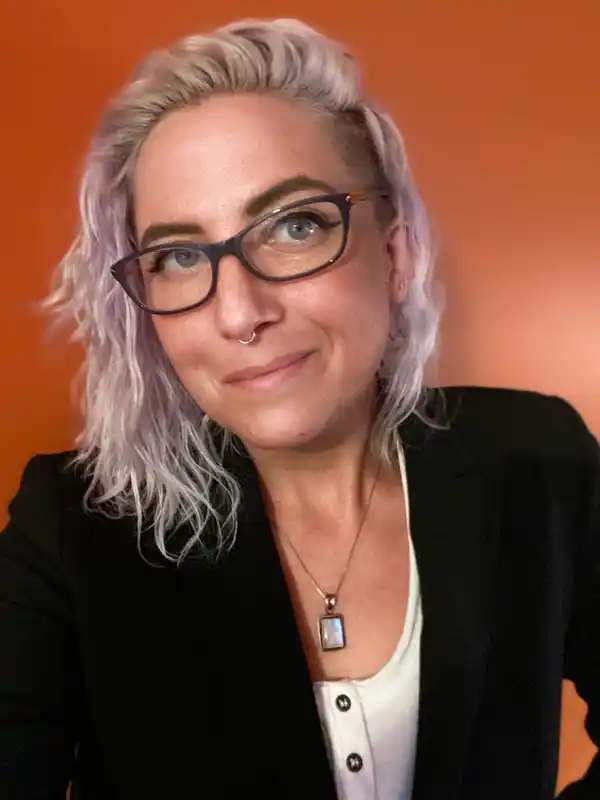
Prashanth Kuganathan joined the department as a postdoctoral teaching associate for the 2021-2022 academic year. He received his PhD in applied anthropology in 2021 from Columbia University and specializes in social stratification, language, and education in South Asia. In his dissertation, he combines the ethnography of education with applied linguistics, examining the role of the English language in postcolonial and postwar northern Sri Lanka. He also looks at people’s lives in the Jaffna peninsula who have firsthand experience of the devastation of violence and displacement during the Sri Lankan Civil War (1983-2009). He focuses on the power dynamics of ethnic, religious, and social relations in the country, particularly the caste system, on which he has publications. After completing his first book project, he hopes to conduct ethnographic field research with South Asian indigenous or diaspora populations.

Sarah Page

Sarah Page is a postdoctoral teaching associate for the 2021-2022 academic year. After receiving her BA from the department at UT in 2004, Page went on to earn an MA (2008) and PhD (2018) in anthropology from the University of Florida. As a sociocultural anthropologist working in the Caribbean, she examines the intersections of human rights, queer studies, political economy, social movements, and the anthropology of the Black Atlantic. Her current book project focuses on how local LGBTQ activists in Jamaica are challenging institutionalized homophobia in the country. Her work analyzes how the movement began, the factors that motivate people to become activists, and the strategies they have developed to ensure the movement’s survival. Her work also examines how social forces promote and naturalize homophobia in the English-speaking Caribbean. Her work is useful to community organizers and scholars of human rights both by documenting the rise of a political movement, and by providing examples of structural, social, and cultural hurdles to realizing positive social change. Her research contributes to an ongoing, global project toward inclusivity of sexual minorities, and highlights the need for such projects to evolve to meet the needs of vulnerable global citizens.


Posted: March 22, 2022Filed Under: News

C. Clifford Boyd Jr.

In Memoriam

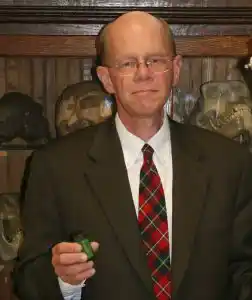
C. Clifford Boyd Jr.

Alumnus C. Clifford Boyd Jr. passed away on March 9, 2021, after a long battle with cancer. He earned his graduate degrees in anthropology, focusing on the deep history of Upper East Tennessee. Boyd was hired at Radford University in 1986. His wife, Donna Boyd, also earned her PhD in the department. She joined him at Radford in 1989. An award-winning professor; nationally-renowned scholar of southeastern archaeology, anthropological theory, Civil War battlefield archaeology, and forensic archaeology; and co-director of the Forensic Science Institute alongside his wife, Boyd served at Radford for 35 years. He is remembered for his integrity, tenacity, selflessness, work ethic, sense of humor, dedication to excellence, and devotion to his family.

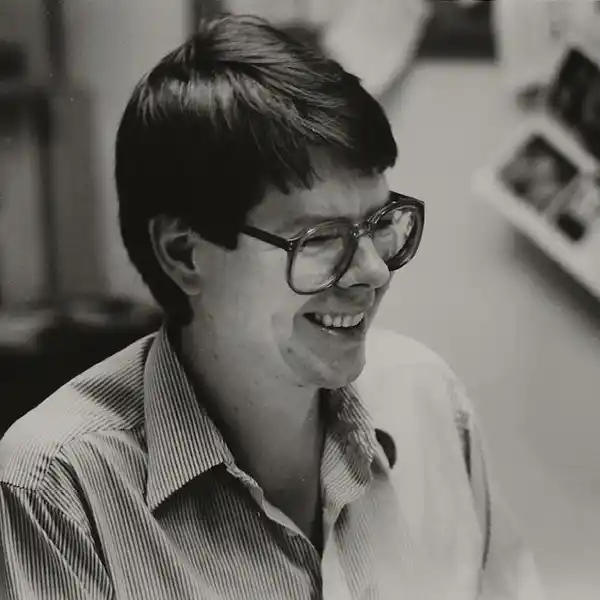
Patrick Joseph Key

Alumnus Patrick Joseph Key passed away at Christmastime, 2021. Born and raised in Williston, North Dakota, he attended the University of North Dakota in Grand Forks and earned a PhD in Anthropology at the University of Tennessee, Knoxville in 1982. His monograph, Craniometric Relationships among Plains Indians: Cultural-Historical and Evolutionary Implications, still stands as the authority on biological relationships among Indigenous peoples of the Plains. After finishing his degree, Key started a computer company with one of his brothers. He remained in the information technology industry for the rest of his life. All who knew him remember him as a brilliant man who was quiet, funny, patient, and kind.


Posted: March 22, 2022Filed Under: News

Timothy Vollmer

Undergraduate Research Stars

Undergraduate Student Spotlights

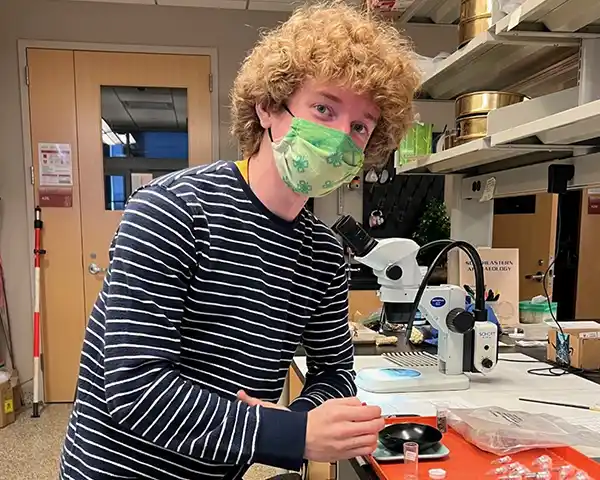
Timothy Vollmer

A recent initiative through the Office of Undergraduate Research & Fellowships (OUR&F) and the department will provide four anthropology undergraduate students with the opportunity to participate in research projects with faculty this spring. A fifth student received a research award from the OUR&F through a longstanding program. These awards provide financial support and training to the students while contributing to faculty research goals. Awardees will present on some aspect of their projects in August 2022 at the annual Discovery Day poster event, or in spring 2023 in the Exhibition of Undergraduate Research and Creative Achievement (EURēCA) Poster Competition.
 
Timothy Vollmer is working with Associate Professor Kandace Hollenbach to process, analyze, and report on samples of plant remains recently collected from the Boathouse Pond Site, a Woodland to early colonial Indigenous village site on Virginia’s Northern Neck. Professor Barbara Heath and graduate students Rebecca Webster, Elizabeth Tarulis, and Bear Gibbs excavated shell midden deposits at the site in December, and uncovered additional features that they hope to investigate in summer 2022. Timothy will also prepare information based on the analysis to be shared with the Wicocomico Nation Heritage Association, descendants of the historic Sekakawon who lived at the site in the 17th century.
 
Tessa Carter and Luke Massongill join Research Associate Professor Giovanna Vidoli and Distinguished Lecturer Joanne Devlin to investigate whether sex estimations, based on specific size and shape attributes of human skeletal elements, are possible through the use of cremated human remains. The William M. Bass Donated Skeletal Collection contains more than 100 eligible donors for this investigation. Tessa and Luke are identifying and scoring the remains of skulls and pelvic features.
 
Sara Anderson is working with Distinguished Lecturer Lee Jantz and Forensic Anthropology Center Research Associate Mary Davis to consider breadth measurements of joint areas from donors in the William M. Bass Donated Skeletal Collection. The collection contains more than 1,600 eligible donors for this investigation. Sara is using previously-collected measurements, examined in light of antemortem records of height and weight of the donor, to determine if the joint measurements are correlated with body size, and whether body size impacts the use of these metrics to estimate the sex and ancestry of the deceased.

Axel Huichapa is conducting research with Professor Barbara Heath on violence at the Coan Hall site in the 17th and early 18th centuries in Northumberland County, Virginia, using artifacts as proxies. He is surveying artifact collections from four areas of the site and identifying, cataloguing, and analyzing artifacts associated with firearms and other weaponry if present. By looking at artifacts associated with discrete archaeological features, he can potentially discern areas where the use of weapons concentrated, and changes or continuities in particular types of weaponry across the period of study.


Posted: March 22, 2022Filed Under: Archaeological News, Biological News, Cultural News, News

Barbara Heath

A Bright Future Despite the Challenging Times

Message from the Department Head

Barbara Heath

It is a bright winter morning as I look from my desk in Strong Hall out past Hodges Library and McClung and Andy Holt Towers, towards the distant peaks and ridges of the Smoky Mountains. The spring semester is underway, with students and faculty passing in the hall as they head towards classrooms and labs. Because of the challenges of COVID-19, which continues its surge in East Tennessee, we’re beginning the semester cautiously, with flexible schedules, routines, and expectations, while still moving forward. Despite these challenging times, I’m excited and energized by all that the department is doing. We’re enjoying a period of record growth in undergraduate enrollment, with 375 primary majors, 13 secondary majors, and 27 minors. We’ve welcomed three new post-docs and a new undergraduate academic advisor to Strong Hall this year. You’ll have the opportunity to learn more about them in this issue of the newsletter. This spring, we’re busy conducting two searches for new tenure-line faculty in cultural and biological anthropology, and are in the midst of accepting a talented new cohort of graduate students for fall 2022. 

Members of the department continue to earn national and international accolades as authors, scholars, and educators. I’ve highlighted a selection of our accomplishments in the newsletter, and others appear in greater detail in the online version, available at the department’s website (anthropology.utk.edu). I’d like to draw attention to a few in this article.  

Last summer, ​Assistant Professor Raja Swamy published Building Back Better in India, Development, NGOs, and Artisanal Fishers after the 2004 Tsunami with the University of Alabama Press, the culmination of more than a decade of research in the South Indian state of Tamil Nadu’s Nagapattinam District. Associate Professor Ben Auerbach’s co-edited volume, The Evolutionary Biology of the Human Pelvis: An Integrative Approach, received an Outstanding Academic Title Award from Choice Reviews, which is the publishing house for the Association of College and Research Libraries. Post-doctoral Teaching Associate Sarah Page has been invited to participate in the University of Tennessee Humanities Center’s manuscript review program for her manuscript “Queer Perseverance: The Rise of LGBTQ Rights Activism in Jamaica.” The program provides authors with detailed feedback about their book manuscript and assists them in finding suitable publishers for their work.

Assistant Professor Anneke Janzen and Associate Professor Kendra Chritz of the University of Oregon recently received a multi-year grant from the National Science Foundation for their research on early pastoralists and fishers-hunter-gatherers in Kenya. Anneke, Kandi Hollenbach, and I are also working together, with graduate student Brigid Ogden and undergraduate Keri Burge, to study the impact of colonialism on the environment, animal husbandry, and agricultural practices in the colonial Chesapeake. Keri was named a Goldwater Scholar, a nationally-competitive scholarship for undergraduates working in STEM. 

PhD candidate Jenna Watson was awarded a Fulbright Fellowship, as well as a McClure Scholarship for International Travel. She is conducting dissertation research in Romania. 

The Forensic Anthropology Center hosted more than 200 participants from the law enforcement agencies and training programs in Mexico and the United States, teaching introductory and advanced courses in comparative osteology, recovery, forensic burial excavation, and the general field of forensic anthropology. 

I’ve highlighted just a portion of the great work that is going on in the department. I hope you have the opportunity to visit us over the coming year and learn more. Until then, I encourage you to keep in touch.

Sincerely,

Barbara Heath


Posted: March 22, 2022Filed Under: News

Graduate students do in the field research

In the Carrels

Graduate Student Spotlights

Graduate students do in the field research

Over the past year, graduate students in the anthropology department have pushed forward to conduct research, engage with fellow students, and collaborate with community partners while dealing with the continuing challenges of the COVID-19 pandemic. As in-person learning and professionalization resumed this fall, some aspects of graduate life have settled into a new kind of normal. Students resumed data collection and fieldwork that had been halted in early 2020 with added precautions of vaccinations, masks, and testing measures in place. They are once again presenting their work at conferences while also engaging in the “new normal” of virtual talks. Departmental social events that had been halted at the beginning of the pandemic have likewise resumed with cautions in place, including celebrations of the start of term and degree milestones. Congratulations to recent graduates Angela Mallard (PhD) and Sadie Counts, Matt Davis, Brigid Ogden, Sarah Schwing, Thomas Tran and Mary Ruth Wossum-Fisher (MA).

Ongoing graduate student research has included international fieldwork along with a wide range of US-based research. Jenna Watson, a PhD candidate, began a nine-month Fulbright research grant at the Francis I. Rainer Institute of Anthropology of the Romanian Academy in Bucharest, Romania. Her research focuses on skeletal stress, diet, and migration in human skeletal remains from three cemetery sites in northeastern Romania dating to the Late Medieval-Early Modern period (14th – 18th centuries CE), and is also supported by a McClure Scholarship for International Travel. 

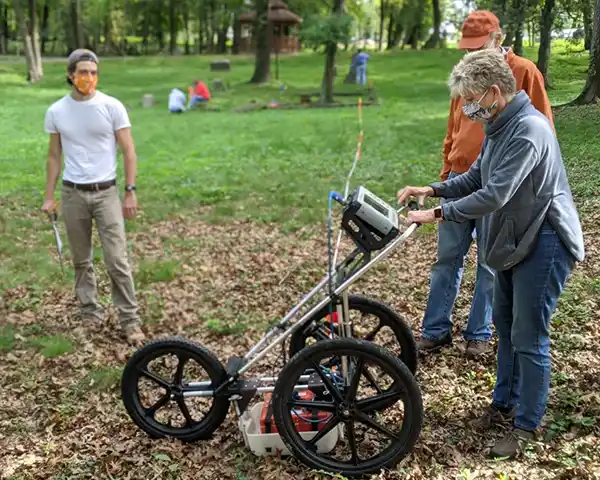
Graduate student Tatianna Griffin has been collaborating with community partners at the Good Citizens Cemetery, Knoxville’s oldest Black cemetery, while other graduate students and faculty have continued headstone and ground penetrating radar (GPR) documentation efforts at the Odd Fellows Cemetery, another important historically Black cemetery in Knoxville. Students in Kandi Hollenbach’s Public Heritage and Community Archaeology course spent fall semester conducting research at the Stonecipher–Kelly House at Frozen Head State Park, working with Tennessee State Parks staff to collect information that will help interpret the site to the public.
 
The Anthropology Graduate Student Association (AGSA) continues to advocate for graduate student needs both within the department and the broader graduate student community. For the past two years, AGSA has been operating a food pantry for undergraduate and graduate students in the anthropology department, providing instant meals, toiletries, pantry staples, snacks, and other items with no questions asked. The pantry is restocked monthly with funds from AGSA and the Undergraduate Anthropology Association (UAA), along with individual donations. This year, demand has skyrocketed due to the resumption of in-person learning. AGSA representatives also have been part of ongoing Graduate Student Senate efforts to increase teaching assistant and associate stipends to provide all graduate students with a living wage and to increase the availability of mental health services in the university health system. AGSA members have also volunteered their time by teaching community outreach courses to increase funding reserves that help offset student fees.
 
Graduate students are looking forward to continuing their research, teaching, outreach, and advocacy in the spring and summer, building on the successes and rising to the challenges that this year has brought.

Download PDF


Posted: March 22, 2022Filed Under: News

Dr. Graciela Cabana

Genetic Ancestry, Race, and National Belonging in Argentina

Graciela Cabana

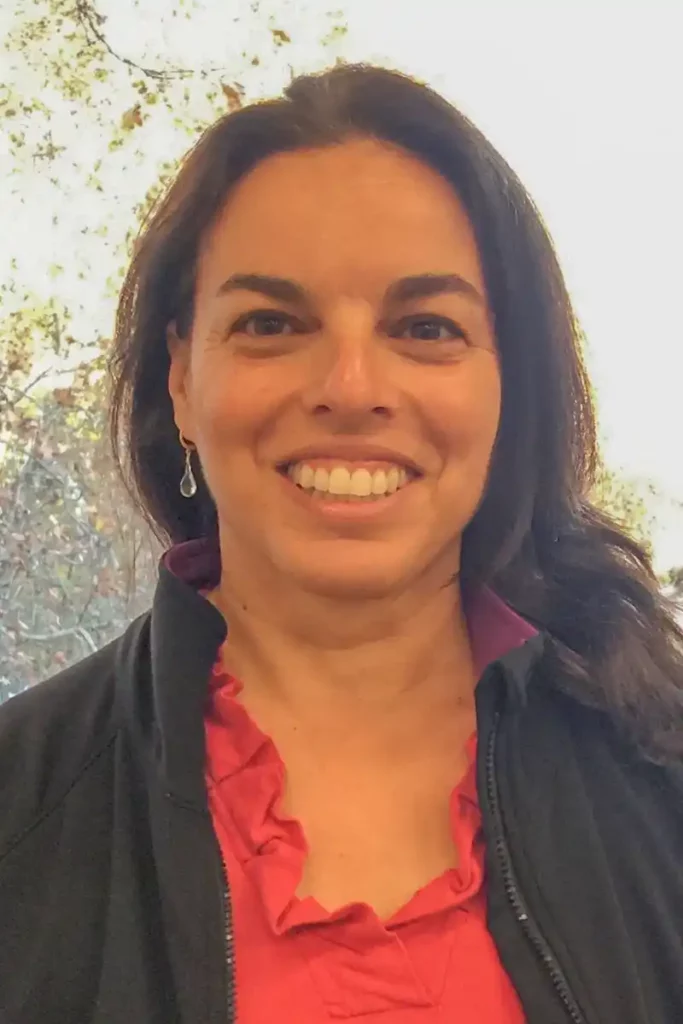
Associate Professor Graciela Cabana leads an international team supported by the National Science Foundation on a multi-year project to explore how Argentinians think about the relationship between race and national belonging, and how their perceptions may be shaped or challenged by interpretations of ancestry based on genetic markers.

In the United States, genetic companies have been marketing ancestry tests since the early 2000s, which raises concerns from bioethicists and other social science scholars because test results are based on an incomplete and faulty interpretation of the data. Specifically, the comparative databases that these tests rely on are divided up into continental level groupings of genetic attributes. As a result, consumers are told that their ancestors came from Africa, Europe, Asia, or the Americas. These broad population categories can then misleadingly link biology (genetic categories) to existing ideas of race—at least North American ideas about race, even though race is a socially constructed category.  

The project team is interested in understanding what consumers outside of the United States take away from these tests. Does genetic testing support the assumption of racial categories, which anthropologists know are socially constructed, in the minds of consumers? Does genetic information invoke racialized notions of human difference? A second project objective is to understand long-term take-aways of not just individuals, but also groups. As more genetic ancestry studies are conducted on a national level, does the collective understanding of race and national belonging change

The collaborative project began at a moment when a tie between genetic ancestry tests and “race” was presumed but not yet tested, particularly outside of the United States. The team has been conducting their research in the city of Luján, in the Republic of Argentina. Argentina and the United States share important commonalities: both countries experienced similar immigration histories, and both underwent the phenomenon of intense nation-building at about the time that eugenic principles became part of philosophies and practices of nationalism and citizenship. For this reason, the results of this project could be used to reflect on these questions in the United States

The fieldwork component of the project took place from 2015 to 2019. Cabana and her colleagues conducted genetic ancestry analysis of 300 people, randomly selected from Luján’s historical downtown. They interviewed 80 individuals from this broader group multiple times over the course of the project to see if and how individuals’ attitudes changed when they received genetic ancestry results. To address the second project goal, the team put on two public exhibits, during which they interviewed city residents on their reactions to the collective results of the 300 participants. They have also been conducting participant observation and media tracking since 2015

The project is ongoing. Currently team members are analyzing surveys, interview transcripts, and investigator notes using qualitative analysis methods. Results will be reported over the next three years. Meanwhile, you can visit cei-ar.org to learn more about the project.


Posted: March 22, 2022Filed Under: Biological News, News

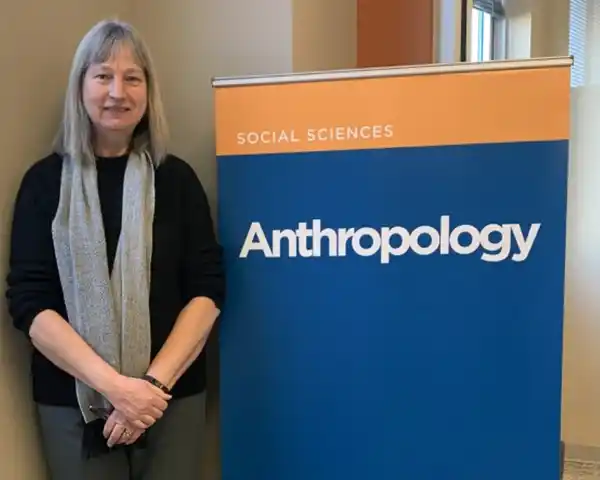
Tamar Shirinian

Documenting LGBTQ+ experiences

Tamar Shirinian

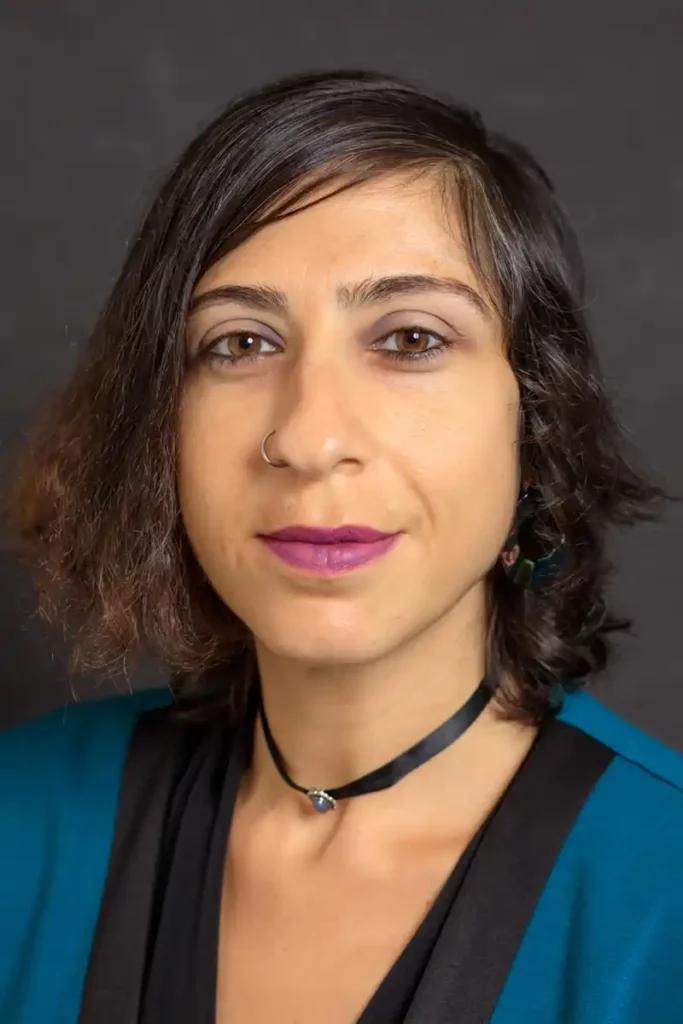
Assistant Professor Tamar Shirinian joined the department this fall after serving for two years as a post-doctoral teaching associate. She is working on a book manuscript, Survival of a Perverse Nation: Queer Transformations in Postsocialist Armenia, in which she critically analyzes the popular rhetoric of “perversion” in the post-Soviet Republic of Armenia. 

Following the end of state socialism, Armenia experienced profound political and economic changes that also had social implications  for kinship, gender, and sexuality. In the book, Shirinian argues that the “crisis” regarding homosexuality and feminism – both said to be sexually perverse and threatening the survival of the nation – is intimately tied to aggressive privatization measures, the concentration of public wealth into the hands of a few, and the rise of an oligarchy class who rules through authoritarian power. She traces the ways in which these latter changes are also frequently described as morally perverse. The book offers a queer theory that not only takes political economy seriously, but as its object of study.

In addition to her research on Armenia, Shirinian is collaborating with Professor Donna Braquet on the Voices Out Loud project, an archives and oral history project that chronicles the history of LGBTQ+ people in East Tennessee. They began a new collaboration in spring 2021 focusing on the experiences of LGBTQ+ people in the region during the COVID-19 outbreak. Having conducted 12 in-depth interviews thus far, and looking forward to holding focus groups as well, the team has made some interesting discoveries. While many queer folks in East Tennessee had extreme financial and health difficulties, some also took the time as an opportunity to make life-altering changes, such as having children or transitioning gender without daily public scrutiny or surveillance. Some also felt that their normalized levels of angst had decreased as a result of not having to be in public and thus not having to explain themselves, or deal with microaggressions about their appearance, and fear for their safety. Shirinian is working out some of these discoveries through a framework that considers the space of lock-down and quarantine as “sanctuary,” focusing in on the question of what it means when a space of crisis becomes a comfort.


Posted: March 22, 2022Filed Under: Cultural News, News

Alex Bentley

How Learning Environments Shape People’s Response to COVID-19

Alex Bentley

Professor Alex Bentley teamed up with Professor Nina Fefferman in the Department of Ecology and Evolutionary Biology, former anthropology post-doctoral researcher Simon Carrignon, and NIMBioS postdoctoral researcher Matthew Silk to study how people process information about infection rates, government mandates, and the social norms of their communities in choosing how to manage risk during a pandemic. 

In order for people to recognize the need to change their behavior through measures such as mask-wearing and social distancing, they need to believe that the risk of not changing is significantly higher than the social costs of adopting the new behavior. Paradoxically, the most successful efforts to change people’s behaviors can have the unintended consequence of creating a false sense of security, which leads them to abandon protective measures and revert back to riskier behaviors

Using probabilistic modeling, the research team explored these relationships in order to provide guidance on how best to “flatten the curve.” They discovered that people’s reluctance to stop using protective measures is more important than the ease of adopting these changes. In addition, people need to be able to see and understand risks in order to make meaningful changes in behavior. Factors such as low infection rates, and people who are infected but asymptomatic or hospitalized, can tend to make the risk less visible to people in their daily lives. As two other 2021 papers by Alex and former UT researchers Joshua Borycz (now at Vanderbilt) and Damian Ruck (now at a start-up company in London) found, there are identifiable cultural and socio-economic patterns in how people—and governments— have responded to COVID-19 risks to date

Taken together these findings could make the geographic and societal effects of a future pandemic more predictable. This latest study, published online in January in PLoS One, demonstrates the importance of considering social and behavioral, in addition to biological, aspects of pandemics. It will guide policymakers as they craft more effective communication strategies to address future outbreaks

Bentley was also recently interviewed by Chrissy Keuper on WUOT about his data model that identifies key variables that can be used to predict the severity of COVID-19 at the county level in the United States. You can listen to the interview at tiny.utk.edu/wuot-bentley. 


Posted: March 22, 2022Filed Under: Biological News, News

  • « Previous Page
  • 1
  • 2
  • 3
  • 4
  • 5
  • Next Page »

Exploring the human experience.

Careers

Newsletter

Giving

Anthropology

College of Arts and Sciences

502 Strong Hall
1621 Cumberland Avenue
Knoxville, TN 37996-1525
+1 (865) 974-4408
anthropology@utk.edu


Facebook Icon    X Icon    Instagram Icon    YouTube Icon

The University of Tennessee, Knoxville
Knoxville, Tennessee 37996
865-974-1000

The flagship campus of the University of Tennessee System and partner in the Tennessee Transfer Pathway.

ADA Privacy Safety Title IX